Languages
Sunday, October 18, 2026



News and Views from the Global South
Inequality
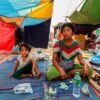
Airstrikes in Myanmar Continue To Spread Fear, Devastate Lives
In Myanmar, airstrikes occur almost daily. The phenomenon has become common since civil war broke out following the 2021 military coup that replaced the democratically elected National League for Democracy (NLD) with the Tatmadaw, Myanmar’s military. Several human rights organizations report that these airstrikes are disproportionately targeting civilians and harming lives.
US Republican Lawmakers Don’t Care About Mortality in the Country
The recent legislation passed by the US Congress, oddly named the One Big Beautiful Bill (OBBB), and signed by the US President, reveals that Republican lawmakers in the nation’s capital do not care about excessive and premature mortality in the United States.
Global South calls for Strategic Energy Transition Amidst SDG Target Slowdowns
At the UN 2025 High Level Political Forum last week, global energy leaders warned that without urgent action in expanding access to clean energy, hundreds of millions will remain vulnerable, and the world will risk falling short of its 2030 SDG deadline.
Soaring Demand for Electric Vehicles, Lithium-Ion Batteries Creates Environmental Crisis in DRC
Electric vehicles contribute to an ongoing environmental and humanitarian crisis in the Democratic Republic of the Congo (DRC). Mining operations cause deforestation, pollution, food insecurity and exploitative labor practices.
Price and Power of Freedom: Celebrating Nelson Mandela International Day
The United Nations celebrated Nelson Mandela International Day in honor of the activist and politician’s lifelong commitment to peace and democracy.
Latin America and the Caribbean Lead the Way Toward a Future Without Hunger
In a region where hunger has cast a persistent shadow for generations, from the debt crises of the 1980s through the volatility of the 1990s to the recent shock of COVID-19, an unexpected and powerful development is now emerging: Latin America and the Caribbean is making significant progress in the global fight against hunger.
Trump Tech Big Bro: Monopoly Is Best
Trump’s billionaire cronies want more monopoly profits, not competition. With more policies crafted for them, wealth concentration is set to become greater than ever.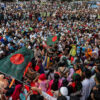
Bangladesh’s Democratic Promise Hangs in the Balance
When Bangladesh’s streets erupted in protest in mid-2024, few could have predicted how swiftly Sheikh Hasina’s regime would crumble. The ousting of the prime minister last August, after years of mounting authoritarianism and growing discontent, was heralded as a historic opportunity for democratic renewal. Almost a year on, the question remains whether Bangladesh is genuinely evolving towards democracy, or if one form of repression is replacing another.
The Young Nigerian Innovator Lighting Up Communities With Recycled Solar Innovation
When Stanley Anigbogu heard his name announced as the 2025 Commonwealth Young Person of the Year in London earlier in March, he could hardly believe it. He had not expected to win, especially among a pool of brilliant nominees from across the globe.
Increased Demand for Cobalt Fuels Ongoing Humanitarian Crisis in the Democratic Republic of the Congo
The demand for cobalt and other minerals is fueling a decades-long humanitarian crisis in the Democratic Republic of the Congo (DRC). In pursuit of money to support their families, Congolese laborers face abuse and life-threatening conditions working in unregulated mines.
Small-Scale Enterprise Becomes a Beacon of Hope for Afghan Women
It was a sunny winter day in Kabul. I decided to step out and take a stroll around my surroundings. With my long dress and hijab on, I left the house. Since I was not too far from home, I did not need the company of a Mahram, a male guard, by my side – a strict restriction placed on Afghan women by the Taliban.
Managing Underdevelopment: What Two Decades of ODA Debt Reveal
Imagine investing US$14 billion, or even slightly less, to achieve universal literacy in 17 African countries where more than half the adult population still cannot read or write . Pair that with another US$36 billion to connect Africa’s landlocked nations through 12,000 kilometres of new railway lines along priority transport corridors.
Time to Redesign Global Development Finance
Can the Fourth International Conference on Financing for Development (FFD4) be a turning point? The stakes are high. The international financial system—so important to each and every one of us—feels out of reach and resistant to change, because it is deeply entrenched in unjust power imbalances that keep it in place. We deserve better.
Women in Afghanistan Face a Total Lack of Autonomy
Nearly four years ago, the Taliban took control of Afghanistan and issued a series of edicts that significantly restricted women’s rights nationwide. This has resulted in a multifaceted humanitarian crisis, one marked by a notable decline in civic freedoms, stunted national development, and a widespread lack of basic services.
South Korea‘s Democracy Renewed
On a resounding 79.4 per cent turnout, South Korean voters have delivered a clear mandate for change. Lee Jae-myung of the centrist Democratic Party of Korea (DPK) decisively won the 3 June election, becoming the country’s new president after a turbulent time for South Korean democracy.
‘Live Facial Recognition Treats Everyone as a Potential Suspect, Undermining Privacy and Eroding Presumed Innocence’
CIVICUS discusses the dangers of live facial recognition technology with Madeleine Stone, Senior Advocacy Officer at Big Brother Watch, a civil society organisation that campaigns against mass surveillance and for digital rights in the UK.
Weaponizing Food Worsens Starvation
Wars, economic shocks, planetary heating and aid cuts have worsened food crises in recent years, with almost 300 million people now threatened by starvation.
Artificial Intelligence Presents Risks and Opportunities for the Disabled
On June 10, the United Nations (UN) held a conference titled Artificial Intelligence for Inclusion: Strengthening Workforce Participation for Persons with Disabilities. This conference, which was organized by the Permanent Mission of Canada to the UN, featured a discussion by a panel of experts from various sectors, looking to shed light on the ways AI tools can be used to create inclusive workforces that maximize fairness and accessibility.
Pandemic Agreement: Important Step but Big Decisions Deferred
When the next pandemic strikes, the world should be better prepared. At least, that’s the promise states made at the World Health Organization’s (WHO) World Health Assembly on 19 May when they adopted the first global pandemic treaty. This milestone in international health cooperation emerged from three years of difficult negotiations, informed by the harsh lessons learned from COVID-19’s devastating global impacts.
CIVICUS’ New Leader Speaks on Global Declines in Civic Freedom
On June 1, CIVICUS Global Alliance, announced the appointment of Mandeep Tiwana as its new Secretary-General. With his tenure underway, Tiwana sat down with an IPS correspondent to discuss CIVICUS’s work in promoting civic freedom and solidarity in an increasingly autonomy-restrictive world.
Hundreds of Cholera Cases Are Declared Per Day in Sudan
A particularly virulent outbreak of cholera was detected in the Khartoum State of Sudan and is a direct result of the Sudanese Civil War, warns the United Nations.« Previous Page — Next Page »





This page includes independent IPS news coverage supported by the Norwegian Ministry of Foreign Affairs, to put the issue of inequality higher up the news agenda during the run-up to the 2015 MDG deadline and the process to forge a new development consensus
