Languages
Tuesday, September 15, 2026



News and Views from the Global South
Sustainable Development Goals
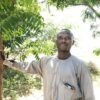
Ambitious Great Green Wall Shows Slow, Steady Progress in Strengthening Landscapes, Improving Livelihoods
In 2021, Gadeja Shehu and about a hundred farmers in Garbadu village, Zamfara State in northwestern Nigeria, were invited by officials of the National Agency for the Great Green Wall to plant trees across a large stretch of land in their community.
Want to Feed the World? Invest in Food Systems
As the global target to eliminate hunger by 2030 is fast slipping out of reach, investing in how the world feeds itself is the only way to ensure progress.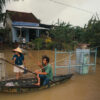
El Niño Likely to Return: the Case for Early Action
Climate models are converging: El Niño is likely to return by mid-2026 and could be strong. According to the World Meteorological Organization, it could emerge as early as May–July 2026, with several national hydrometeorological agencies in Asia and the Pacific already issuing alerts.
Empowering Youth Is the Fastest Path to Transforming Least Developed Countries
The future of the world’s least developed countries (LDCs) will be shaped by a critical choice they make today- strategic investment in their youth. Rich in human potential, the young people in LDCs embody ingenuity, resilience and ambition. With the right opportunities, they can transform challenges into opportunities and put their countries strongly on track to sustainable development.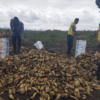
Cleaning Up the Fields: Across Africa and Asia GEF is Helping Farmers Rewrite Their Pesticide Story
For decades, pesticides have been a quiet pillar of Malawi’s agriculture, guarding crops against pests, improving yields, and sustaining millions of livelihoods. But beneath this success story lay a troubling reality: weak regulation, unsafe handling practices, and growing threats to human health and the environment.
Why it is Time to Rewrite Africa’s Malaria Story
If you woke up with severe fever, would you stay home from work? What if the choice meant losing a week’s wages, or deciding if you could afford the trip to a doctor at all?
Strengthening Financial Integrity: Why It Matters and What Needs to Change
A conversation with Toril-Iren Pedersen, Director of the UNDP Global Policy Centre for Governance, and Michael Jarvis, Executive Director of the Trust, Accountability, and Inclusion (TAI) Collaborative
How Santa Marta Finally Made Fossil Fuel Phase-Out Politically Discussable
The First Conference on Transitioning Away from Fossil Fuels in Santa Marta, Colombia, may eventually be remembered as a defining moment in global climate politics, not because it produced a treaty or a formal negotiation outcome, but because it changed the tone, structure, and ambition of the conversation itself.
100 Days, No Outcry – The Cost of Speaking Out
“We’ve abandoned this couple completely; we have not done even 1% of what they did for us all these years!” said journalist Asad Ali Toor.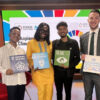
Africa’s Youth are Shaping the Continent’s Climate Future
Africa is on the frontlines of the climate crisis, warming faster than the global average and facing disproportionate climate impacts, despite contributing the least to global greenhouse gas emissions.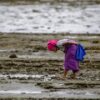
Pacific Ocean Under Pressure — Now a Region Finally Armed With Evidence
For generations, Pacific people have understood the ocean not as a resource but as identity, sustenance, and survival. Today, that relationship is being tested in ways science is only just beginning to fully capture.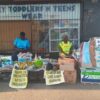
African Countries Up Efforts to Tax High-Income Individuals
African countries are exploring ways to tax high-earning individuals as the continent seeks to expand its revenue collection amid what experts say is a growing gulf between rich and poor.
‘Nuclear Weapons Are Not Just Tools of War. They Are Weapons of Mass Suffering.’
"We choose hope because despair is a form of surrender that we cannot accept,” UN Ambassador to the Philippines, Enrique Manolo, told civil society representatives and the diplomatic community, considering the question of whether to pursue nuclear disarmament in a world that is becoming more polarized on the issue.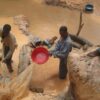
Clean Energy, Digital Technologies Are Coming at a Human Cost, UN Report Warns
A newly released United Nations report has raised urgent concerns that the world’s push toward clean energy and digital technologies is driving a hidden crisis in some of the planet’s most vulnerable regions, where mining for critical minerals is depleting water supplies, damaging health, and deepening inequality.
The Ocean Also Has Memories: From Our Territories to the Global Seafood Marketplace
Coming from an island in southern Chile, where the sea is not an industry—but it is daily life, work, food and memory. Growing up in a family that is part of an artisanal fishers’ cooperative. Learning from a young age how to cultivate oysters, work with mussels, and understand the rhythms of the sea.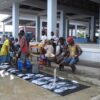
Pacific Islanders Combat Mercury Poisoning of the Environment
It is an invisible contaminant that has been found in fisheries, an essential part of the food chain for many Pacific Islanders. Mercury, emitted from fossil fuel power generation and other industrial processes around the world, has now penetrated marine ecosystems in the Pacific Islands with detrimental consequences for people’s health and wellbeing.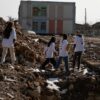
Addressing the Mental Health of Ukrainian Children living on Frontlines of War
“What’s important is to make sure that you can immerse yourself in an environment that is positive for your mental health and wellbeing,” says Olena*.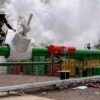
Inside GEF-9: What it is and Why it Could Define the Next Four Years of Environmental Action
The gap between global environmental ambition and real-world progress is widening, with less than five years left to meet key climate and biodiversity targets.
‘Significant Stress’ as UN Prepares for Nuclear Non-Proliferation Treaty Conference
The Eleventh Review Conference of the Parties to the Treaty on the Non-Proliferation of Nuclear Weapons (NPT) will meet at the United Nations in New York from 27 April to 22 May 2026. State parties to the treaty will meet with the urgent aim of finding common ground on the issue of nonproliferation.
Africa Faces Mounting Risks Just as Growth Gains Take Hold
Sub-Saharan Africa’s economies entered 2026 with significant momentum. The region had notched its fastest growth rate in 10 years—4.5 percent in 2025—buoyed by reduced macroeconomic imbalances, rising investment levels, and a generally supportive external environment.
From Struggle to Strength: Turning Daily Hustle Into a Force for Survival
In the bustling Chifubu constituency of Ndola, the provincial capital of Zambia’s mineral-rich Copperbelt Province, 31-year-old Victoria Bwalya is usually among the early risers, cleaning and setting up for the day in her restaurant business.« Previous Page — Next Page »


The Week with IPS

NEXT STOP - SDGs
Tracking global progress towards a sustainable world
Tracking global progress towards a sustainable world
