Languages
Monday, August 10, 2026



News and Views from the Global South


Polish Border Wall Puts Local Tatars on the Brink
Dzenneta Bogdanowicz never imagined she would witness the construction of a wall in the middle of nowhere, just two kilometres from her front door.
Energy Storage Has Yet to Take Off in Mexico
Researcher Edilso Reguera and his team began studying electric battery manufacturing in 2016, but in 2023, they ramped up efforts to develop a lithium-based prototype for motorcycles.
Hide the Numbers, Control the Message
In the past, Shakespeare famously wrote in his play Henry VI that the first step for those seeking power was to “kill off the lawyers”. Today, the first step taken by those seeking power is to hide the numbers and control the message.
Kenya Pilots AI System to Protect Black Rhino Calves in Aberdare National Park
Conservationists in Kenya’s Aberdare National Park have piloted an artificial intelligence (AI) system designed to detect and deter hyenas—as part of an effort to protect black rhino calves ahead of their reintroduction to the zone.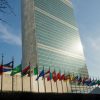
The UN Faces a Different Kind of Crisis — a Slow Erosion of Trust, Legitimacy, & Effectiveness
In 1945, with cities in ruins and hope stretched thin, 50 nations gathered in San Francisco and reached for a better world. From the ashes of fascism, genocide, and world war, they forged a charter — a binding declaration that peace, justice, and human dignity must be protected through international cooperation.
Romania’s Electoral Crisis: A Warning Shot for Democracy in the Digital Age
On 6 December 2024, Romania’s Constitutional Court made an unprecedented decision: with just two days to go before a presidential runoff expected to bring a far-right, Russia-sympathising candidate to power, the court took the extraordinary step of annulling the election due to evidence of massive Russian interference. It was the first time an EU member state has cancelled an election over social media disinformation. It may not be the last.
1 in 4 Jobs will be Transformed by Generative AI
Generative artificial intelligence (AI) has increased efficiency and output across numerous industries. However, labour organizations have expressed concern over AI’s ability to radically transform jobs around the world.
As Climate Change Threatens, Maldives Is No Island Paradise
Every year, thousands of couples choose to spend their honeymoon in the Maldives. Tucked in the Indian Ocean, this tropical atoll nation consistently ranks among the world’s most desirable destinations for newlyweds. But beyond the crystal-clear waters and pristine, white-sand beaches, local communities are facing a far harsher reality: a growing water crisis driven by climate change. While tourists sip cocktails in overwater bungalows, some neighboring islands are literally running out of fresh water.
COMMENTARY: Immigration Police Spread Dragnets Across U.S.
On May 21, I was in the Seattle immigration court accompanying a young mother from a South American country who was applying for asylum to a routine hearing. Local media had reported that Immigration and Customs Enforcement had arrested several people there the previous day.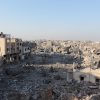
Palestinians Call Out Israel’s Mission To Destroy Their History and Cultural Heritage in Gaza
Israel’s ongoing war of annihilation in Gaza has wiped out hospitals, schools, homes, water, and food, reducing the Palestinian territory to a wasteland and leaving a death toll of more than 53,000 people. But an equally lethal campaign has been unleashed against the foundations of Palestinian society and identity.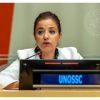
South-South Cooperation: An Engine for Transformational Change in Achieving the 2030 Agenda
With just five years to 2030, the world stands at a pivotal juncture. The collective promises of our 2030 Agenda for Sustainable Development – to end poverty, protect the planet, and ensure prosperity for all – remain urgent and vital. Yet, progress is uneven, and in many areas, we risk falling short.
Islands are Solutions: the Case for Island-Ocean Coalitions
As the world confronts escalating climate impacts, biodiversity loss, and ocean degradation, islands stand as critical test cases—not just as sites of vulnerability, but as living laboratories of resilience, restoration, and innovation. Too often, they are framed as victims of global circumstances, awaiting salvation from external forces.
Economic Growth is the Wrong Metric for Our Time
As the United States lurches toward isolationism and authoritarianism, its political problems are now bleeding into pocketbook anxieties that Trump's policies will torpedo economic growth, both domestically and globally.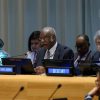
Human Life Hinges on the Preservation of Biological Diversity
Since 2000, the United Nations (UN) recognizes May 22 as the International Day for Biological Diversity, in hopes of promoting international cooperation and conversation surrounding biodiversity issues. Through the 2025 theme; Harmony With Nature and Sustainable Development, the UN seeks to increase public awareness around biodiversity loss and promote progress in the Sustainable Development Goals (SDGs).
In Harmony with Nature: A Dryland Perspective on Development and Biodiversity
Nowhere is this more apparent than in the world’s drylands. Covering 41% of the Earth’s land surface, these regions are home to over two billion people and support 50% of the world’s livestock and 44% of its cultivated systems (UNCCD). Far from being marginal, drylands are central to global food security, biodiversity, and climate resilience.
The Largest Multi-Billion Dollar Deal in US History– & a Potential 51st American State?
When US President Donald Trump offered to declare neighboring Canada as America’s 51st state, the Canadians vehemently rejected the proposal. “We don’t want to be part of America,” was the rallying cry. And the short-lived offer was shot down in flames.
How Computational Biology Is Zoning in on the Future of Agriculture
When pioneering agronomist and father of the “Green Revolution” Norman Borlaug set out to breed a disease-resistant, high-yielding variety of wheat, he spent years laboriously planting and pollinating different specimens by hand. He manually catalogued every outcome until he landed on the variety that would transform farming and avert famine. The result was even greater than expected: it is estimated that he saved more than a billion people worldwide from starvation.
Global Push to Protect Oceans Gains Momentum Ahead of UN Conference in Nice
As delegates prepare for the third United Nations Ocean Conference (UNOC) in Nice, France, momentum is building around ocean governance, finance for marine conservation, and an urgent shift toward a regenerative blue economy. Ocean advocates say the world is at a critical juncture—and the next few weeks could shape the future of marine protection for decades.
The #ChurchToo Movement: A Wake-Up Call for the Modern Church
I was researching the role of the church in addressing contemporary issues such as gender-based violence, climate change, and social justice when I came across the #ChurchToo movement—and I got really excited. Not because the stories were easy to read (they weren’t), but because this movement was a bold, necessary conversation that faith communities could no longer ignore.
Using AI as an Ally: What the latest UNDP Human Development Report Means for Latin America, Caribbean
The United Nations Development Programme’s 2025 Human Development Report (HDR) says crises such as the Covid-19 pandemic have contributed to ‘the flatlining of decades of progress in the Human Development Index,’ with Latin America and the Caribbean facing unique challenges and opportunities.
HeForShe Campaign Tackles ‘Sex for Fish’ Abuse Malawi’s Lakeshore Communities
Women in fishing communities in Malawi's lakeshore districts of Nkhotakota and Mangochi are frequently targets of sexual exploitation for fish, a practice commonly known as 'sex for fish.' A recent report by the Malawi Human Rights Commission (MHRC) has unearthed disturbing accounts of women being coerced into transactional sex to access fish from male boat owners, exposing a widespread violation of their rights.« Previous Page — Next Page »


Want to keep up with the latest news and views from the Global South? Sign up for IPS Daily News Report for daily emails with our top stories about international development, climate change, gender and more. (Formerly IPS TerraViva since 1993).

The Week with IPS

NEXT STOP - SDGs
Tracking global progress towards a sustainable world
Tracking global progress towards a sustainable world
