
Monday, November 16, 2026



News and Views from the Global South
IPS UN: Inside the Glasshouse

Tobacco Industry Capitalizes on Pandemic to Increase Influence in Low- and Middle-Income Countries
While the COVID-19 pandemic has elevated public health to a top priority in every country in the world, it has left many poorly resourced governments receptive to any and all aid that can provide immediate assistance to help their people.
Youth Demand a ‘Fair Share’ from World Leaders Ahead of G20 Summit
Heads of youth movements and student unions are challenging the world’s richest nations to correct an ‘incredibly unequal’ global response to COVID-19, by considering the plight of the world’s most vulnerable children and young people.
The Importance of Investing in Volunteerism
The International Volunteer Day will approach soon and the 5th of December will become a day to celebrate the actions of millions of volunteers from all over the world, in the south as well in the north of the world.
African Employers for Gender Equality
Africa has over 700 companies with an annual revenue of more than $500 million, including 400 with revenue above $1 billion. The ability of these companies to thrive rests on building and retaining talented women and men.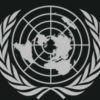
Our Development Priorities Have Shifted to the Immediate Task of Saving Lives & Livelihoods.
We have come to the point in the agenda where we must take a ‘deep-dive’ in reviewing the lessons learnt so far in our response to the COVID-19 pandemic, in order to chart a way for the future. But the future, by its very definition, must be relative. Flexibility and change will define policy making and the scope of action needed for development.
The Silence of the International Community on Western Sahara
For my entire life, I have been forgotten. I am a Sahrawi refugee, born and raised in the Algerian desert, where my people have remained displaced for 45 years, awaiting the moment when we can finally return to our homeland, Western Sahara.
WFP – ‘Focus on Starvation, Destabilisation and Migration to Avert a COVID-19 Global Food Crisis’
Food security has become a priority in the Caribbean as COVID-19 pandemic travel restrictions have hit the tourism-dependent region hard.
US Republican Party’s Soul in Danger as Trump Hijacks the GOP
What has happened to the Republican Party? Picking Donald Trump in 2016 as the Republican candidate, giving him victory in primary after primary and later tolerating his idiosyncrasies and unpredictably dangerous behaviour and policy decisions were bad enough however much one tries to digest them as vagaries of the democratic tradition.
Global Summit of Development Banks Fails to Learn from Destructive Past
This week, 450 public development banks from around the world met for the Finance in Common Summit at the Paris Peace Forum. They gathered to discuss how they can direct their combined investments of over USD 2 trillion - 10% of total investments in the world - “to support the transformation or the global economy” and “build new forms of prosperity that take care of people and the planet.”
Peacekeeping is a Double-Edged Sword
UN peacekeeping dangerously overlooks the reality that peace operations have both unintended and negative consequences. Any intervention into the politics and culture of a community is bound to create tensions between local practices and foreign peacebuilding practices.
Trump’s “America First” Foreign Policy Faces an Unceremonious Burial
The ouster of Donald Trump from the US presidency last week may well be the dawn of a new era for multilateralism – and perhaps for a besieged United Nations— after nearly four years of misguided political rhetoric emerging from the White House.
Q & A: Escalating Tensions in Ethiopia adds to Tenuous Refugee Setting
Already reeling from conflict, extreme weather events and growing displacement due to the COVID-19 pandemic, escalating tensions in Ethiopia’s Tigray region have placed the country on the brink of civil war and many are looking to Nobel Peace Prize-winning Prime Minister Abiy Ahmed to avert a potential humanitarian disaster.
Q&A: How Desert Dust Storms Supply Vital Nutrients to the Oceans
When sand and dust storms (SDS) rage in the Sahara Desert, more than 10,000 km away in the Caribbean Sea the very same storms have a range of effects on the 1,360 species of shorefish that populate the waters there.

UN’s $5.1 Billion Shortfall Threatens Operations Worldwide
When the United Nations was struggling to cope with a cash crisis back in April 1996, one of the many drastic measures it undertook was to cut down on its staff.
Women in War-Ravaged Afghanistan Fight Back for Their Rights
Bullets, bombs, tyranny and torture. Children crying for food, civilians struggling to survive, women unable to walk out of their homes freely. When we are not under siege from bombs and landmines, ordinary Afghans suffer from hunger, natural hazards and poverty.
UN at 75: Slow Death or a New Direction – Part 2
Kofi Annan’s Secretary-General-ship was a second honeymoon for the UN, coming six years after the fall of the Berlin Wall it was a moment of hope and alignment between the major powers of which he took ample advantage.
Solving the Challenge of Food Security Key to Peacebuilding in the Sahel
In 2013, when Jamila Ben Baba started her company, the first privately owned slaughterhouse in Mali, she did so in the midst of a civil war as Tuareg rebels grouped together in an attempt to administer a new northern state called Azawad. Ben Baba, who is originally from Timbuktu, in northern Mali — where much of the civil war conflict took place — based the business in the country’s western region of Kayes and grew it into what is considered the largest private slaughter house in the West African nation.
UN at 75: Slow Death or a New Direction – Part 1
Let me begin with an appeal to our venerable friend, the UN: get down on the ground with the grandchildren. Just having celebrated its 75th birthday, we can hear your knees creak! The UN, for as long as I have known it up close- since its thirties- has often seemed prematurely old.
Building Blocks for Nuclear Ban Treaty: NPT & Advisory Opinion of the International Court of Justice
The Treaty on the Prohibition of Nuclear Weapons (TPNW) will become binding law for participating states on January 22, 2021. Entry into force was triggered on October 24, the date marking the 75th anniversary of the United Nations, when Honduras become the 50th state to ratify the TPNW, reaching the threshold set by the treaty.
Q&A: COVID-19 has Pushed Women Peacebuilders from Key Leadership Roles
Women need to be given roles as negotiators, not just offered representation through advisory groups, Agnieszka Fal-Dutra Santos from the Global Network of Women Peacebuilders (GNWP) told IPS.
20th Anniversary of UNSCR 1325: Much Remains to Be Done
In 2010, at the opening session of the civil society forum observing the tenth anniversary of UN Security Council Resolution 1325 on “Women and Peace and Security”, I had the honor to declare 1325 as “the common heritage of humanity” indicating the wide-ranging nature of the potential benefits which will flow from the landmark resolution’s full and effective implementation by all at all levels.« Previous Page — Next Page »


It was dubbed "The Glass House" by U.S. ambassador James Wadsworth in 1966. Half a century later, the United Nations has gradually expanded its role as agent of peace and protector of the world's vulnerable populations, while simultaneously facing internal pressures to become more inclusive, increase transparency and maintain legitimacy in the post-Cold War political and economic order. Highlighting the local impacts of global policies on economic development, environment, health and human rights, IPS's coverage goes beyond the edicts of the Security Council to illuminate the power struggles, successes and shortcomings of the 193-member institution as it grapples with crises like climate change, armed conflict, poverty and HIV/AIDS.

The Week with IPS
