Languages
Saturday, September 26, 2026



News and Views from the Global South
Women & Economy

International Women’s Day, 2025
In Zanzibar, Women Turn the Tide with Sponge Farming
In the early morning, as the tide pulls away, Zulfa Abdallah ties her scarf tightly around her head. She adjusts her goggles, places a snorkel across her forehead, and wades into the chest-deep waters off Jambiani village in Zanzibar. The Indian Ocean is her livelihood now, its waves offering a lifeline to women like her who confront challenges of poverty and climate change. 
International Women’s Day 2025: For All Women and Girls

In 2025, our world remains deeply unequal. Women earn, on average, 20% less than men globally.
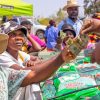
In Zimbabwe, Women Are Leading the Battle Against Climate Change
When Susan Chinyengetere started to focus on farming in her home village in south-eastern Zimbabwe, she wondered if she could earn a living and raise her children. With climate catastrophes ravaging the country, her hesitation on rain-fed agriculture worsened. But two years later, the 32-year-old mother of two from Mafaure village in Masvingo, about 295 km from the capital Harare, is now a champion in farming.
UNCCD COP16 Raises Hopes for Ambitious Global Land Action
While many delegates at the 16th meeting of the Conference of the Parties to the UN Convention to Combat Desertification (UNCCD COP16) hope that this could be the convention’s own Paris moment—referring to the historic Paris agreement inked by UNFCCC signatories—however, this hedges heavily on the UN parties’ seriousness to combat drought, desertification and land degradation.
Mayan Farmers Improve Their Livelihoods and Polyculture of Milpa in Mexico
María Bacab, a Native Maya, considers herself the “guardian of seeds” as she cares for the milpa - an ancestral Mesoamerican polyculture that mixes maize, beans, squash and other vegetables - and promotes its practice and use in Mexico.
Human Rights Violations Against Women Rises in Afghanistan, While Taliban Enjoy Impunity
It has been three years since the 2021 Taliban offensive and the humanitarian crisis in Afghanistan continues to grow more dire. Human rights violations are committed by the Taliban insurgent group on a frequent basis, with gender-based discrimination and violence being regular occurrences for millions of Afghan women. Gender inequalities are pervasive, with freedom of speech and mobility being significantly limited. The humanitarian crisis is exacerbated by widespread impunity enjoyed by members of the Taliban.
Afghan Girls Share Their Despair and Visions for the Future Under Taliban Rule
In line with the 2024 International Day of the Girl theme, ‘Girls’ vision for the future’, a dozen Afghan girls speak up to express their hardships and resilience. They also share their visions for the future.
Rural Survival: Guardians of Mother Earth Saving Mau, Revitalizing Native Lands
The Great Rift Valley is part of an intra-continental ridge system that runs through Kenya from north to south. A breathtaking, diverse mix of natural beauty that includes dramatic escarpments, highland mountains, cliffs and gorges, lakes and savannas. It is also home to one of Africa’s greatest wildlife reserves—the Maasai Mara National Reserve.
Clean Energy Boosts Autonomy for Brazilian Women Farmers – VIDEO
A community bakery, family production of fruit pulp, and the recovery of water springs are some of the initiatives of the Energy of Women of the Earth, organised since 2017 in the state of Goiás, in central-western Brazil. 
Yemen Crisis Brings Small Reprieve for Entrepreneurial Women
Once upon a time, the Sheba (Seba’a) Kingdom (today’s Yemen) had a prominent queen. Women, in the presence of men, were held in a higher position, literally.
Water Stories: The Well Seven Families and 400 Buffaloes Rely On
In the rural village of Khardariya in the Dang district of Nepal, access to clean water is a major issue. Villagers depend on one poorly managed well for drinking water, cleaning, and feeding livestock. Anjana Yadav stood near the well while a neighbor walked toward it to fetch a bucket of water.
Chilean Fisherwomen Seek Visibility and Escape from Vulnerability
The number of organisations that bring together fisherwomen who seek to be recognised as workers, make their harsh reality visible and escape the vulnerability in which they live is growing in Chile.
New Child Marriages, Cohabitation With a Child Law in Sierra Leone Lauded
“A person shall not contract marriage with a child,” Sierra Leone’s landmark Prohibition of Child Marriage Act 2024 says, outlawing, in no uncertain terms, child marriage, giving consent to and attempted child marriage, officiating, attending and promoting child marriage, and use of force or ill-treatment of a child.
Investing in Teachers, School Leaders Key in Keeping Girls in School UN-African Union Study Finds
Investing in teachers and school leaders in Africa is the most important factor in promoting educational opportunities for girls, keeping them in school and ending child marriage, ultimately reducing gender inequality through education.
Youth-Led Protests Force Kenyan President’s Hand Over Tax Bill
In a historic first, Kenya's youth have mobilized in large-scale protests to demand that the political establishment listen to them. The Finance Bill 2024, which proposed new taxes across several sectors, was the catalyst for the protests, igniting outrage among a youth demographic that feels betrayed by decades of political promises. These protests, driven by economic and social grievances, escalated dramatically, culminating in clashes with police that led to numerous deaths and widespread unrest.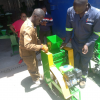
Portable Ginnery Could Revive Kenya’s Ailing Cotton Industry
Kirinyaga University may have just breathed new life into Kenya’s ailing cotton industry as varsity dons develop a portable cotton ginnery. For an industry that has been struggling to survive, this news came as a relief to cotton farmers, whose lives the invention is expected to change, and to a government pushing for job creation and self-reliance through manufacturing.
Solar Power and Biogas Empower Women Farmers in Brazil
A bakery, fruit pulp processing and water pumped from springs are empowering women farmers in Goiás, a central-eastern state of Brazil. New renewable energy sources are driving the process.
Breaking the Silence: Gender-Based Challenges in the Lesotho Highlands Water Project ll
In the journey towards gender equality and justice, recent decades have seen strides made, yet the road ahead remains treacherous. In the race to achieve the Sustainable Development Goals (SDGs) by 2030, attention is turning to the role that over five hundred public development banks worldwide could play.
Conservation Efforts by Ethnic Communities in Bangladesh Bolster Water Security
Just a few years ago, Sudarshana Chakma (35), a resident of the remote Digholchari Debarmatha village under Bilaichari upazila in the Rangamati Hill District, had to traverse a long hilly path to fetch water for her household because there were no local water sources. "Unchecked deforestation and degradation of village common forests (VCFs) led to the drying up of all-natural water sources in our village. We struggled to collect drinking and household water," Chakma explained to IPS.
Women’s Land Rights in Farming Need Further Recognition
In the developing world, land rights for women remain tenuous in the agricultural sector. But if women farmers are recognized as landowners in their own right, it can lead to greater economic empowerment and be a positive step towards eradicating poverty. This formed part of the wider discussions that are being hosted during the 68th session of the Commission for the Status of Women (CSW68) in New York. The leading theme of CSW68 and its side events is the effort to accelerate gender equality by addressing poverty and strengthening institutions.
Unpaid Caregivers, a Symbol of Inequality in Chile
In Chile, as in the rest of Latin America, the task of caring for people with disabilities, the elderly and children falls to women who, as a result, do not have access to paid jobs or time for themselves.« Previous Page — Next Page »


Around the world, women make great contributions to different economies. From the field of business, to carrying the bulk of unpaid care, women are essential to economic growth. However, due to gender inequality, women face economic discrimination. Taking many forms, including disproportionate wages, greater exposure to vulnerable employment, and reduced economic opportunity, this inequality continues to curtail economic development. Yet women continue to work past these obstacles and reduce this disparity, furthering economic empowerment. These stories help to identify women’s economic struggles, and those that are working towards empowerment.

The Week with IPS

NEXT STOP - SDGs
Tracking global progress towards a sustainable world
Tracking global progress towards a sustainable world
