Languages
Tuesday, October 20, 2026



News and Views from the Global South
Youth

UN Conference Recommits to Solidarity With Rohingyas, People of Myanmar
The international community convened for a high-level meeting at UN Headquarters, this time to mobilize political support for the ongoing issue of the persecution of the Rohingya Muslims and other minorities in Myanmar.
UNICEF Climate Advocate Urges World Leaders To ‘Include Children’ in Climate Discussions
The UN General Assembly High-Level Week (22-30 September) has been an opportunity for the world to convene on the most pressing issues of the day, from multilateralism, global financing, gender equality, non-communicable diseases, and AI governance.
Ending Child Marriage Needs a Culture of Accountability, Respect for the Rule of Law
Global leaders came together at the sidelines of this year’s UN General Assembly to commit to ending child marriage, calling on all world leaders to make concerted efforts to ensure accountability and enforce the laws that prohibit it.
Aid Funding Crisis Means Parliamentarians’ Visionary Leadership Even More Crucial
As funding for sexual and reproductive health rights was on a “cliff edge,” parliamentarians now needed to play a “visionary” leadership role because “financing strong, resilient health systems for all their people rests with governments,” said Dr. Alvaro Bermejo, Director General of the International Planned Parenthood Federation (IPPF).
Sexual Health Rights: Contradictions in East African Laws, Policies
Sarah Namukisa nearly missed her final year exams earlier this year. She was subjected to a mandatory pregnancy test—the 25-year-old student at the Medical Laboratory Training School in Jinja was then expelled because she was pregnant.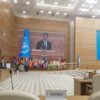
Landlocked Developing Countries to Start ‘New Decade of Delivery’
As the Third United Nations Conference on Landlocked Developing Countries (LLDC3) concludes today (Friday, August 8) in Awaza, Turkmenistan, with the adoption of the Awaza Political Declaration and the formal endorsement of the Awaza Programme of Action (2024–2034), there is optimism that LLDCs are finally at the dawn of a new era.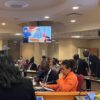
Africa’s Development at a Crossroads: Report Warns of Missed SDG Targets Without Urgent Action on Jobs, Equity, and Financing
Africa is making progress on over two-thirds of the Sustainable Development Goals (SDGs), but the pace remains far too slow to meet the 2030 targets, especially in areas like decent employment, gender equality, and access to social protection.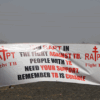
Sweet Hope to End Bitter Pills for Multidrug-Resistant Tuberculosis
Every day, Yondela Kolweni has to hold down her son, who screams and fights when it is time for his daily life-saving TB tablets—a painful reminder of her battle with the world’s top infectious killer disease. “It is a fight I win feeling awful about what I have to do,” says Kolweni (30), a Cape Town resident and a TB survivor. “The tablets are bitter, and he spits them out most of the time, and that reminds me of the time I had to take the same pills.”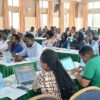
Kenya’s Shirika Plan: A New Dawn for Refugee Rights and Integration
When Jean Baremba arrived in Kenya in 2018, he looked forward to rebuilding a life shattered by war in the Eastern Democratic Republic of Congo.
Multi-Year Drought Gives Birth to Extremist Violence, Girls Most Vulnerable
While droughts creep in stealthily, their impacts are often more devastating and far-reaching than any other disaster. Inter-community conflict, extremist violence, and violence and injustice against vulnerable girls and women happen at the intersection of climate-induced droughts and drought-impoverished communities.
Increased Demand for Cobalt Fuels Ongoing Humanitarian Crisis in the Democratic Republic of the Congo
The demand for cobalt and other minerals is fueling a decades-long humanitarian crisis in the Democratic Republic of the Congo (DRC). In pursuit of money to support their families, Congolese laborers face abuse and life-threatening conditions working in unregulated mines.
Lawmakers in Maldives Pledge to Support Women Leaders
A meeting of parliamentarians in Malé, the Maldives, pledged to provide an enabling environment for emerging women leaders by supporting them and promoting a political culture rooted in mutual respect, inclusivity, and equal opportunity.
Girls in Kenya Are Repurposing the Invasive Mathenge Tree Into Furniture
Char Tito is hammering nails into wood at Kakuma Arid Zone Secondary School in Turkana County, northern Kenya. The 16-year-old is making a traditional chair under the scorching sun outside one of the classroom blocks.
The Africa Our Youth and Women Want
History rarely remembers those who waited quietly. In Africa, it is those who dare to act, to resist, to lead, and to dream aloud who have shaped the continent’s most defining moments.
Unmasking Harm Reduction: Youth Demand Action on Tobacco Industry’s New Tactics
The World Health Organization (WHO) for this year’s World No Tobacco Day (May 31) has chosen the theme, “Unmasking the Appeal”, to reveal the tactics employed by the tobacco and nicotine industries to make their harmful products enticing, particularly to young people.
Young Africans Priced Out of Cities as Urban Housing Crisis Deepens
After graduating in 2019, Jeremiah Achimugu left Sokoto State in northwestern Nigeria for Abuja, the nation’s capital, in search of better opportunities. But life in the city brought unexpected challenges, especially the high cost of housing.
Lawyer-Turned-Activist Bhuwan Ribhu Honored for Leading a Campaign to End Child Marriage
Bhuwan Ribhu didn’t plan to become a child rights activist. But when he saw how many children in India were being trafficked, abused, and forced into marriage, he knew he couldn’t stay silent.
Smallholder Farmers Are Not ‘Beneficiaries’, but the ‘Co-Creators of Change’
Eliud Rugut comes from generations of farmers, yet his family expected him to move out of their home and pursue another career.
CGIAR Gender Impact Platform Needs a ‘Bold Approach’ in Agriculture Research
Women farmers face structural issues that prevent them from realizing their full potential, from societal perceptions that dictate their limitations to poor land. However, CGIAR's Gender Impact Platform Director, Nicoline de Haan, argues that leaning into a "victim" narrative does not serve them, especially when women are demonstrably more involved in agriculture.
Behind the Feeding of the 5,000 (or Should That Be 10,000) at CGIAR Science Week
Good Food for All is the motto of The Chef's Manifesto, a project that brings together more than 1,500 chefs from around the world to explore how to ensure the food they prepare is planet-friendly and sustainable.
CGIAR Science Week Seeks Solutions for a Food-Secure, Climate Resilient Future
CGIAR and the Kenyan Agricultural and Livestock Research Organization (KALRO) are bringing together the world’s leading scientists and decision-makers in agriculture, climate, and health for the first CGIAR Science Week. This gathering will be a key moment to advance research and innovation, inspire action, and establish critical partnerships that can secure investment in sustainable food systems for people and the planet.« Previous Page — Next Page »





The Week with IPS

NEXT STOP - SDGs
Tracking global progress towards a sustainable world
Tracking global progress towards a sustainable world
