
Tuesday, September 22, 2026



News and Views from the Global South
Food Security and Nutrition

Magical Thinking on Fertilizer and Climate Change
As world leaders wrap up the UN Climate Summit in Glasgow, new scientific research shows that there is still a great deal of magical thinking about the contribution of fertilizer to global warming.
UN Food Systems Summit: Breakthrough or Missed Opportunity?
UNSG Antonio Guterres convened the first-ever UN Food Systems Summit which took place on 23-24 September. The Summit preparation had a well-designed structure with remarkable and appreciated leadership of Amina Mohammed, UN DSG. Due to the hard work of the UN Special Envoy, Agnes Kalibata, and her whole Team, the organisation and logistics of the Summit was excellent.
COP26: The Many Links Between Food Systems & Climate Change: Message to Glasgow
Unless food systems transformation is put at the center of climate action, commitments governments have already made, and could make at COP26, will be jeopardized.
Bleak Prospects for Least Developed Countries
“The outlook for LDCs is grim”. The latest United Nations (UN) assessment of prospects for the least developed countries (LDCs) notes recent setbacks without finding any silver lining on the horizon. Promises unkept Half a century ago, LDCs were first officially recognised by a UN General Assembly resolution. It built on research, analysis and advocacy by the UN Conference on Trade and Development (UNCTAD).
COP26: Funding Innovation Crucial for Strengthening Climate-Stressed Food Systems
The global food system is facing more demands from society than ever before in modern times – and rightly so. From responding to the climate crisis to dealing with rising malnutrition and ensuring the sustainable use of natural resources and protection of biodiversity, the responsibility of our food systems is no longer just to “feed the world.”
COP26: Building Climate Resilience Will Require a Focus on Those Furthest Behind
As the United Nations Climate Change Conference, also known as COP26, approaches (31 October -12 November in Glasgow, Scotland), climate action is more urgent than ever. Yes, we need climate change mitigation.
Guess Who’s Behind Paralysis on COVID19 in the UN Committee on World Food Security
‘COVID 19 has multiplied hunger and malnutrition challenges. We need transformative action!’ The first speaker at the UN Committee on World Food Security’s (CFS) 49th Plenary Session, the Secretary-General of the United Nations, turned the spotlight on the disastrous impacts of the pandemic that have afflicted communities around the world for close to two years.
Table Banking Helping Women in Kenya to Put Food on the Table
Pascaline Chemutai’s five acres of land located in the country’s breadbasket region of Rift Valley recently produced 115 bags of maize, each weighing 90 kilograms. She tells IPS that of these, 110 bags will be transported to traders in Nairobi and neighbouring Kiambu County at a negotiated price of $23 per bag.
World Food Day 2021
 Our lives depend on the world’s agri-food system.
Every time we eat, we participate in the system.
A sustainable agri-food system is one in which sufficient, nutritious and safe foods are available to everyone.
Our lives depend on the world’s agri-food system.
Every time we eat, we participate in the system.
A sustainable agri-food system is one in which sufficient, nutritious and safe foods are available to everyone.

Multilateral Financial Institutions Can Catalyze Public Development Banks (PDB) to Deliver SDGs
There is broad consensus that realizing the Sustainable Development Goals (SDGs) and the Paris Agreement on climate change require a transformative agenda for agriculture and food systems. In this context, the importance of mobilizing more investments and aligning them to sustainable development and inclusive rural transformation objectives, is widely acknowledged.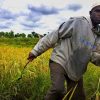
Transforming Global Food Systems Equitably & Sustainably Requires the Private Sector
In the days following the UN Food Systems Summit I have read a number or articles questioning whether there is a role for the private sector in transforming global food systems into something healthier, more sustainable and more equitable. Frankly, I don’t see how food systems transformation is possible without meaningful participation of the private sector.
Seizing the Post-Pandemic Opportunity to Transform Food Systems
The global food system needs a massive overhaul – this was clear before the Covid pandemic and it is even more true today. Feeding the world in a sustainable and healthy way is entirely possible but it is also inextricably linked to tackling the climate crisis by reaching net zero emissions, and to halting the dizzying decline in bio-diversity which is currently threatening the survival of one million plant and animal species.
Scientific Panel’s Scoping Report Instructive for Global Food Systems Transformation
On September 10th, on a sweltering summer afternoon, three fishers drove a van around the residential community of Castle Comfort in Dominica, blowing forcefully into their conch shells – the traditional call that there is fresh fish for sale in the area.
On the Verge of Change
Current food systems are no longer fit for the 21st century. Inequitable distribution, poor nutritional habits, and climate change are three issues breaking down our global food systems today, forcing us to look for solutions to transform them. Food aid – very much part of our global food systems – needs to be responsive to the challenges that lie ahead.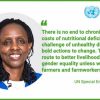
How Transforming Food Systems Could Unlock a $12 Trillion Global Windfall
With the world still counting the social and economic costs of the Covid-19 pandemic, amid a fresh “code red” on the climate crisis, food may not seem like the most pressing threat to humanity.
Climate Finance Can Transform Food Systems
September 23, 2021 is the first-ever UN Food Systems Summit, convened to mobilize the highest-priority transformations needed to end hunger through the sustainable production and distribution of food. Transforming food systems to ensure food security for all has never been so urgent.
The UN Food Systems Summit – Food Processing, Consumption, Supply Chain, Loss and Waste
Food processing extends shelf-life and can transforms raw food into attractive, marketable products. It can also prevent contamination. The transformation can involve numerous physical and chemical processes such as mincing, cooking, canning, liquefaction, pickling, macerating, emulsification, irradiation and lyophilization. Frozen processed and raw food changes transport and storage requirements radically; while the packaging of food, both raw and processed, is an industry unto itself.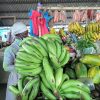
Nurturing a New Generation of Food Leaders
Food security experts have raised an alarm that with as many as 811 million people the world over or 10 percent of the global population going hungry, the world is off-track to ending hunger and malnutrition.
For Healthier Food Systems: Turn the Tide Against Ultra-Processed Products
COVID-19 has exposed serious vulnerabilities in how people around the world access and consume food. One of the more alarming trends is the significant increase in the consumption of foods that may be tasty and convenient, but harm our heath. These ultra-processed products include sugary drinks, snack foods, frozen meals, packaged breads and frozen desserts.
The UN Food Systems Summit and Some Issues of Concern
Why is the UN holding a Food Systems Summit? Two issues that need discussion at the international leadership level are: Long before the Covid crisis was upon us, the number of hungry people in the world was increasing. Why ? What is the cause of this disturbing trend? And, can a country really claim to be food secure, unless it produces or can buy enough food to feed its population and its people can access sufficient quantities to keep themselves fit and healthy? Disquietening questions as extreme weather begins to show the destructive power that climate change will have on the planet and its people.
Food Experts’ Expectations for Global Food Systems Transformation
Dubbed ‘the People’s Summit, the United Nations Food Systems Summit (UNFSS) hopes to put the world back on a path to achieve the Sustainable Development Goals by 2030, through food systems overhauling. From the tempered to the extremely optimistic, experts in various food system sectors share their expectations of transformation.« Previous Page — Next Page »


More than 820 million people in the world are still hungry today, underscoring the immense challenge of achieving the Zero Hunger target by 2030. Hunger is rising in almost all subregions of Africa and, to a lesser extent, in Latin America and Western Asia. There is great progress seen in Southern Asia in the last five years, but the prevalence of undernourishment in this subregion is still the highest in Asia. A disturbing fact is that about 2 billion people in the world experience moderate or severe food insecurity. The lack of regular access to nutritious and sufficient food that these people experience puts them at greater risk of malnutrition and poor health. Although primarily concentrated in low- and middle-income countries, moderate or severe food insecurity also affects 8 percent of the population in Northern America and Europe.
In every continent, the prevalence rate is slightly higher among women than men.
With regard to nutrition indicators, if current trends continue, the 2030 SDG Target to halve the number of stunted children will not be met nor the 2025 World Health Assembly target to reduce the prevalence of low birthweight by 30 percent. The trends of overweight and obesity are additional reason for concern, as they continue to rise in all regions, particularly among school-age children and adults. The most recent data show that obesity is contributing to 4 million deaths globally and is increasing the risk of morbidity for people in all age groups.
The State of Food Security and Nutrition in the World, a joint report by the United Nations agencies, FAO, IFAD, WFP, UNICEF and WHO reaffirms their commitment to working together to overcome emerging challenges and free the world from hunger, food insecurity and malnutrition. The report shows that the global level of the prevalence of undernourishment has stabilised; however, the absolute number of undernourished people continues to increase, albeit slowly.


The Week with IPS

Tracking global progress towards a sustainable world
