Languages
Wednesday, October 14, 2026



News and Views from the Global South
Projects

Scientific Panel’s Scoping Report Instructive for Global Food Systems Transformation
On September 10th, on a sweltering summer afternoon, three fishers drove a van around the residential community of Castle Comfort in Dominica, blowing forcefully into their conch shells – the traditional call that there is fresh fish for sale in the area.
On the Verge of Change
Current food systems are no longer fit for the 21st century. Inequitable distribution, poor nutritional habits, and climate change are three issues breaking down our global food systems today, forcing us to look for solutions to transform them. Food aid – very much part of our global food systems – needs to be responsive to the challenges that lie ahead.
How Transforming Food Systems Could Unlock a $12 Trillion Global Windfall
With the world still counting the social and economic costs of the Covid-19 pandemic, amid a fresh “code red” on the climate crisis, food may not seem like the most pressing threat to humanity.
Climate Finance Can Transform Food Systems
September 23, 2021 is the first-ever UN Food Systems Summit, convened to mobilize the highest-priority transformations needed to end hunger through the sustainable production and distribution of food. Transforming food systems to ensure food security for all has never been so urgent.
The UN Food Systems Summit – Food Processing, Consumption, Supply Chain, Loss and Waste
Food processing extends shelf-life and can transforms raw food into attractive, marketable products. It can also prevent contamination. The transformation can involve numerous physical and chemical processes such as mincing, cooking, canning, liquefaction, pickling, macerating, emulsification, irradiation and lyophilization. Frozen processed and raw food changes transport and storage requirements radically; while the packaging of food, both raw and processed, is an industry unto itself.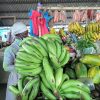
Nurturing a New Generation of Food Leaders
Food security experts have raised an alarm that with as many as 811 million people the world over or 10 percent of the global population going hungry, the world is off-track to ending hunger and malnutrition.
For Healthier Food Systems: Turn the Tide Against Ultra-Processed Products
COVID-19 has exposed serious vulnerabilities in how people around the world access and consume food. One of the more alarming trends is the significant increase in the consumption of foods that may be tasty and convenient, but harm our heath. These ultra-processed products include sugary drinks, snack foods, frozen meals, packaged breads and frozen desserts.
The UN Food Systems Summit and Some Issues of Concern
Why is the UN holding a Food Systems Summit? Two issues that need discussion at the international leadership level are: Long before the Covid crisis was upon us, the number of hungry people in the world was increasing. Why ? What is the cause of this disturbing trend? And, can a country really claim to be food secure, unless it produces or can buy enough food to feed its population and its people can access sufficient quantities to keep themselves fit and healthy? Disquietening questions as extreme weather begins to show the destructive power that climate change will have on the planet and its people.
Food Experts’ Expectations for Global Food Systems Transformation
Dubbed ‘the People’s Summit, the United Nations Food Systems Summit (UNFSS) hopes to put the world back on a path to achieve the Sustainable Development Goals by 2030, through food systems overhauling. From the tempered to the extremely optimistic, experts in various food system sectors share their expectations of transformation.
Fundamental Changes Needed at UN Summit to Tackle Global Food Insecurity
COVID-19 has exposed numerous fractures in global food systems that leave millions at risk of food insecurity. Like the numerous political failures in dealing with COVID, the repercussions of food system failings are experienced by rich and poor countries alike, with the poorest and most marginalised paying the greatest price.
Indigenous Peoples in Mexico Defend Their Right to Water
In the San Lorenzo Huitzizilapan Otomí indigenous community, in the state of Mexico –adjacent to the country’s capital–, access to water has been based on collective work.
If Women Farmers were Politicians, the World Would be Fed, says Danielle Nierenberg
Women, key contributors to agriculture production, are missing at the decision table, with alarming consequences, says Food Tank President Danielle Nierenberg in an exclusive interview with IPS.
Barilla Foundation Report Highlights Need for Food Companies to Align with Sustainable Development Goals
In the backdrop of rising hunger, half of the world’s population living on unhealthy diets, a third of agricultural produce lost to postharvest events, and waste, poverty in farming communities, a pandemic that laid bare the vulnerability of food systems to external shocks and unsustainable food production, the Barilla Foundation for Food and Nutrition has published a report which introduces guidelines for the private sector to fulfil its role in transforming global food systems.
We Stay and Deliver until the Light Shines
Kabul 1990. I land in the capital of Afghanistan for my very first mission with the United Nations. Controlled by the government, Kabul was surrounded by the Mujahedeen. As a young female professional, living and working across the country, I felt protected by the Afghans, whether walking in the bustling cities or meeting with the Mujahedeen in the rural countryside. Afghanistan had already been at war for over ten years and we all worked with the hope that the fighting would come to an end soon.
Southeast Asian Farmers Adapt, Insure against Growing Climate Risks
As incidents of drought and extreme rainfall increase, farmers in Southeast Asia are partnering with experts to develop targeted weather forecasts to work around the threats and, when adaptation becomes too costly, buy specially designed insurance to protect their livelihoods.
Food Systems Summit’s Scientistic Threat
Timely interventions by civil society, including concerned scientists, have prevented many likely abuses of next week’s UN Food Systems Summit (UNFSS). The Secretary General (UNSG) must now prevent UN endorsement of what remains of its prime movers’ corporate agenda.
ECW Interviews Dubai Cares Ceo H.E. Dr. Tariq Al Gurg
H.E. Dr. Tariq Al Gurg was appointed as Chief Executive Officer of Dubai Cares in 2009 and as Vice-Chairman in July 2021. Al Gurg has been a primary driver behind the organization’s success. He has enabled Dubai Cares to contribute to the evidence-base in education, leverage funding and invest in strategic relationships and programs that support the global education agenda. His focus has been to develop Dubai Cares as a recognized best-case practitioner and a global leader in education program design and innovation that is grounded in a philosophy of continuous monitoring and evaluation and rigorous research.
Latin America’s Central Banks Push Climate Crisis to the Back Burner
Despite the impact that their policies have with regard to the climate emergency, Latin America's central banks continue to avoid applying guidelines in measures that affect the operation of credit institutions, which distances them from compliance with the Paris Agreement on climate change.
Afghanistan’s Girls Need our Unwavering Support in Education
The Taliban takeover of government in Kabul is just days old, and the eyes of Afghans and the world are cautiously watching and hopeful to see them stand by their word and ensure that girls’ education be promoted and protected.
Climate Crisis Drives Up Cost of Electricity and Brings Big Changes in Brazil
As most of the world seeks to modify its energy mix to mitigate climate change, Brazil has also been forced to do so to adapt to the climate crisis whose effects are being felt in the country due to the scarcity of rainfall.
The ARC Model: Proactive Disaster Risk Financing for a More Resilient Africa
The world faces multiple crises: climate change, extreme weather events, food security and biodiversity. For African nations, these issues are compounded by the COVID-19 pandemic and epidemic outbreaks that include Rift Valley Fever and Malaria. With 35 African Union Member States as signatories to its establishment Treaty, the African Risk Capacity (ARC) Group – comprising of ARC Agency and ARC Limited - works with Governments to help improve their capacities to better plan, prepare, and respond to extreme weather disasters and natural disasters.« Previous Page — Next Page »





The Week with IPS

NEXT STOP - SDGs
Tracking global progress towards a sustainable world
Tracking global progress towards a sustainable world
