Languages
Friday, October 16, 2026



News and Views from the Global South
Small Island Developing States

Finding Silver Linings Amid Haze of Climatic Uncertainty
With the city enveloped in a cloak of haze, the urgency of tackling the climate crisis could hardly have been clearer as the four-day Global Tipping Points Conference 2026 drew to a close at Malaysia’s Sunway University on Thursday.
Climate Change Is Becoming a Pregnancy Hazard Worldwide, Survey Finds
Extreme heat is increasingly threatening pregnant women and newborn babies around the world, with almost all maternal health professionals surveyed across five continents saying they have cared for women or infants whose health was affected by high temperatures.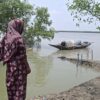
How to Protect Coastal Communities From Tide-Related Loss and Damage in Bangladesh
Villagers rush to the vulnerable spot of the embankment—early warning of the rising tide has alerted them. Together, they save the village from tidal flooding by repairing the vulnerable embankment, which is at risk from the impact of low pressure in July this year. The message is clear: early warnings of the rising tide save lives and property.
Climate Week NYC Kicks off With World Leaders’ Commitments to Action
The Climate Group’s annual conference in New York City has attracted thousands of attendees this year, among them world leaders, corporate heads, philanthropists, and climate advocates. Those leaders present at the opening ceremony of Climate Week have made clear calls to collectively tackle climate issues.
Life-Changing Humanitarians Empower Women Against Violence in Papua New Guinea’s Highlands
In the remote Highlands region of Papua New Guinea (PNG), humanitarians are life-saving beacons to women and girls facing myriad forms of violence. Despite years of awareness programmes and advocacy, the incidence of domestic and sexual violence is not declining. But Janet Kilea is one survivor who has rejected the fear and stigma of her experience and now dedicates her energy to transforming other women’s lives.
What 1.5°C Overshoot Means for Small Islands
The world is now expected to breach the 1.5 degrees Celsius warming limit that small island states have spent years defending as a threshold for survival.
Nepalese Experts, Victims Contemplate the Future After the Flood
That day, Subash Tamang was mining sand along the banks of the Trishuli River near the Trishuli Hydropower Project, working alongside his wife, brother, sister-in-law, and two other family members. Suddenly, he noticed water gushing down from above the hydropower site. His first thought was that the dam had burst.
GEF Proposes $140 Million Program to Strengthen Drought Resilience
For pastoralists in Arvaikheer — a village in Mongolia’s dry central plains — rain can determine whether there is enough grass for cattle to roam, whether waterholes are replenished and whether families make it through another dry season. But as climate change makes rainfall increasingly unpredictable, even a wet season may no longer provide water and pasture needed to sustain people and livestock.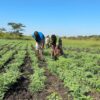
New Chickpea Variety to Drive Climate Resilience in Africa
New chickpea seed research and production have become the new frontier of climate resilience in southern Africa as farmers battle failing cereal production.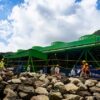
Accepting What It Cannot Control, CARICOM Focuses on What It Can
From wars that drive up fuel prices to supply chain disruptions, inflation and increasingly frequent climate disasters, Caribbean leaders say many of the forces shaping the region's future lie beyond their control.
Human-Caused Climate Change, Not El Niño, Drives Most Coral Bleaching Events – Research
Every morning, as the Indian Ocean retreats from the reef off Zanzibar's Jambiani village, Chiku Chande steps into the knee-deep lagoon carrying bundles of seaweed seedlings. Years of farming these waters have taught her about every channel and coral outcrop. But lately, the corals that once glowed in brown and gold have become chalky white.
CARICOM Leaders Gather in Saint Lucia as Caribbean Confronts Mounting Global, Regional Challenges
Caribbean leaders are meeting in Saint Lucia for their annual summit, confronting a convergence of global and regional challenges ranging from rising living costs and climate change to crime, food security and geopolitical tensions.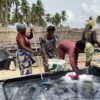
In West Africa’s Benin, Women Make Centuries-Old Salt Production Methods Sustainable
It is barely noon, and a group of women sit near the beach on the outskirts of Djégbadji village, in West Africa’s Benin, sifting through mounds of salt harvested from the Gulf of Guinea’s ocean.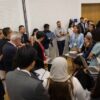
‘We Came for Action, Not Promises’: Developing Nations Voice Frustration as Bonn Talks Conclude
The United Nations June Climate Meetings (SB64) ended in Bonn with sharp disagreements between developed and developing countries over climate finance, adaptation support and emissions reductions, leaving negotiators with significant unresolved issues ahead of the COP31 climate summit in Antalya, Türkiye.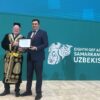
Make Last Sprint Towards 2030 a ‘Turning Point’ for Nature Finance, Eighth GEF Assembly Told
"While pressures on public budgets are growing and geopolitical tensions rising, it can be tempting to see environmental finance as optional. It is not,” GEF Interim CEO and Chair Claude Gascon told the closing plenary of the Eighth GEF Assembly in Samarkand, Uzbekistan, today.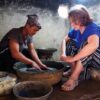
As Global Demand for Gold Grows, UN Mercury Head Warns Toxic Fumes Put Women in a Motherhood Dilemma
Ask any woman miner in the Katoro goldfield in Tanzania’s northern Geita region, and she will tell you that she touches toxic mercury with her bare hands when extracting gold from crushed ore.
GEF Pushes Innovation, Blended Finance Ahead of the Eighth Assembly
As the Global Environment Facility (GEF) steps into the starting blocks of its next financial cycle, the Interim CEO Claude Gascon reflects on what he termed a “moment of transition and delivery".
GEF Approves Adaptation Funds Strengthening Resilience in Vulnerable Countries
Bangladesh, the Democratic Republic of Congo, Guinea-Bissau, Niue, Senegal, Solomon Islands, Sudan, and Togo will receive over USD 67 million in new funding to help strengthen resilience.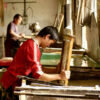
Bhutan’s WTO Path: Learning from the Global South
Bhutan’s decision to restart its accession to the World Trade Organization (WTO) comes at an important junction. Since graduating from Least Developed Country (LDC) status in 2023, the country is entering a new phase of development, which requires stronger competitiveness, deeper global engagement and greater economic resilience.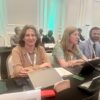
As Three COPs Converge, Leaders at GEF Council Call for Unified Global Action
On day 2 of the Global Environment Facility’s 71st Council Meeting, which focused on process and procedure, a clear message emerged: global environmental governance cannot afford fragmentation.
Delegates Push for Greater Accountability, Community Inclusion as GEF Crosses Major Environmental Milestones
While the Global Environment Facility (GEF) said its eighth replenishment cycle (GEF-8) was about to exceed environmental targets for biodiversity protection, marine conservation, ecosystem restoration, and reducing greenhouse gas emissions, governments and civil society groups called for stronger safeguards to ensure that local communities, Indigenous Peoples, and smaller implementing agencies are not left behind as funding mechanisms become more complex.Next Page »





The Week with IPS

NEXT STOP - SDGs
Tracking global progress towards a sustainable world
Tracking global progress towards a sustainable world
