Languages
Thursday, October 1, 2026



News and Views from the Global South

Heat Rises, Fishing Falls in the Venezuelan Caribbean
In the Southern Caribbean, along the Venezuelan coast, fishing is on the decline, surface waters are warming, rivers discharge tonnes of waste into the sea -- the waves seem to be licking the wounds left by these phenomena and devastating fishing practices like bottom trawling.
CLIMATE CHANGE: Geoengineering for a Desperate Planet
Delegates to the world summit on biodiversity here are calling for a moratorium on climate engineering research, like the idea of putting huge mirrors in outer space to reflect some of the sun's heating rays away from the planet.
Geoengineering for a Desperate Planet
Climate change made its way into the biodiversity summit in Nagoya, Japan, as debate topics included the effects of geoengineering on the Earth's ecosystems.Ecobreves – BRAZIL: Construction Makes Use of Sugarcane Ash
Waste from sugarcane is being put to good use -- its ashes incorporated into building materials, based on a formula developed by researchers at Brazil's University of São Carlos.Ecobreves – HONDURAS: FAO Delivers Food Aid
The United Nations Food and Agriculture Organization (FAO) will create a fund of one billion dollars for Honduras for the next four years, announced Carmelo Rizzo, the Honduran representative to that agency.Ecobreves – CUBA: Prehistoric Fossils Discovered
Cuban scientists have confirmed the discovery of fossil remains from the prehistoric era in Sima del Cotunto, located on the western border of Viñales National Park, 162 kilometers from the national capital.Ecobreves – VENEZUELA: Valencia Lake Overflows and Contaminates
Valencia Lake, with an area of 375 square kilometers and situated west of Caracas, has overflowed as a result of recent heavy rains and threatens about 1,000 homes towards the east in the city of Maracay.
BRAZIL: Making a Living from Lumber Without Destroying the Amazon
The Zolinger family, a typical example of those who migrated from southern Brazil to the Amazon in search of land and fortune, now has a second chance in the lumber industry, after contributing to the devastation of the forests in Rondônia state, where they settled in 1979.
PERU: A Highway Built to Be Flooded
Construction workers are fighting the clock to finish the last stretch of the Southern Inter-Oceanic Highway, in southeastern Peru, apparently unaware that about 100 kilometres of this road connecting to Brazil will be covered by water once the Inambari hydroelectric dam is built nearby.
Biodiversity at the Cliff’s Edge
What nature gives us is often taken for granted, but if its basic elements disappear, human life on Earth would not be possible. The mission of the biodiversity summit under way in Nagoya is to reverse the headlong rush towards the precipice.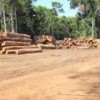
Making a Living from Lumber Without Destroying the Amazon
Forest management helped multiply 20-fold the value of native forests in the Brazilian Amazon state of Acre. But how do those who dedicate themselves to sustainable extraction of Amazon lumber get by?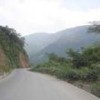
A Highway Built to Be Flooded
A stretch of the brand-new Inter-Ocean Road Corridor in the Peruvian Amazon is to be flooded by a hydroelectric dam.Ecobreves – ARGENTINA: Opposition to Chinese Plan for Patagonia Soy
Environmental and citizen groups in the southern Argentine province of Río Negro are sounding the alarm against China's multi-million-dollar plan to expand soybean production in the area.Ecobreves – HONDURAS: Taking Steps to Protect Emerald Hummingbird
Honduran officials have set limits for a stretch of highway in the northern department of Yoro, home to the endangered emerald hummingbird (Amazilia luciae).Ecobreves – BRAZIL: Cerrado Savannah Fires Increase 350 Percent
Fires in the Cerrado, the Brazilian savannah, jumped 350 percent this year compared to the 2009 total, according to a study by INPE, the national space research institute, released Oct. 8. So far this year there have been 57,700 fires.
Chile Measures Its “Water Footprints”
How many litres of water are needed to produce one kilogram of table grapes? The current effort to measure the "water footprint" of this and other Chilean exports could give us some answers by year's end.
Chilean Companies and Products Measure Their “Water Footprint”
Under pressure from the business sector, Chile is leading the way in measuring the impact on water resources in the production of everything from fruit to gold.Ecobreves – BRAZIL: Developing an Alternative to Cement
A cement alternative, one that is less polluting, cheaper and more durable, has emerged from research at the Brazilian São Carlos School of Engineering.Ecobreves – HONDURAS: Confiscated Lumber Turns Into School Equipment
Fifty percent of the lumber that Honduran officials seized from smugglers or illegal loggers will be used for school equipment, according to a reform in the Forestry Law approved by Congress.Ecobreves – CHILE: Campaign to Protect Sea Lions
The non-governmental Chilean Eco-Oceans Center is leading a national and international campaign against a proposal to authorize quotas to hunt sea lions (Otaria flavescens).
Paraguayan ‘Jewel’ Lake Loses Its Lustre
Just two months before the austral summer season begins, Lake Ypacaraí, centrepiece of Paraguay's campaign to promote tourism, has become the centre of attention for its polluted waters.« Previous Page — Next Page »


Tierramérica is the main communications platform on sustainable development and the environment in Latin America and the Caribbean. It is produced by IPS Noticias, the agency’s Spanish-language service, which created it jointly with the United Nations Development Programme (UNDP) and the United Nations Environment Programme (UNEP), with later support from the World Bank. The weekly editions of Tierramérica are published in Spanish, Portuguese and English and are picked up and printed by dozens of media outlets in the region. Follow us on Facebook and Twitter.

From the Frontline of Environment
Supported by

Tierramérica en Español

Terramérica em Portuguese

