Languages
Sunday, November 8, 2026



News and Views from the Global South

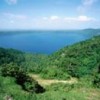
A Green Crusade in Nicaragua
Nicaragua is attempting to reverse the loss of water resources with a massive planting of trees, which are essential to capture rainfall in areas that recharge rivers and lakes.Ecobreves – ARGENTINA: Mountain Film Fest in Ushuaia
The southern Argentine city of Ushuaia will host the First International Mountain Film Festival, Aug. 19-24. The events include sports activities, photo exhibits and presentations on conservation issues.Ecobreves – HONDURAS: River Recovery Campaign
The "Adopt-a-River" project, presented by the Honduran government, is an effort to prevent contamination and the use of water sources as dumps.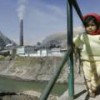
A Breath of Fresh Air for La Oroya?
The Peruvian city of La Oroya will adopt a warning system to protect its residents from the worst moments of air pollution.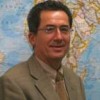
Global Fight to Protect the Ozone Layer Celebrates 20 Years
The Montreal Protocol on ozone-depleting substances eliminated emissions of around 11 million tons of greenhouse gases, benefiting the climate system, the Protocol's executive secretary Marco González told Tierramérica.Ecobreves – MEXICO: Green Rooftops to Clean the Air
The Azoteas Verdes (Green Rooftops) project, of the municipal government of the Historic Center of Mexico City, aims to improve household ecology by planting bushes and gardens on buildings' rooftops. The first will be completed in four months.Ecobreves – BRAZIL: Excess Glyphosate Found in GM Soy
Some of the genetically modified soybean harvested in the southern Brazilian state of Paraná in 2005-2006 surpassed the limit of glyphosate herbicide permitted by the national health regulatory agency, Anvisa.Ecobreves – HONDURAS: Tighter Regulations for Mines
The reforms of the Honduran Mining Law, expected to be approved in August, entail stricter controls over the mining companies, ranging from higher taxes to potential fines of more than one million dollars, legislative sources told Tierramérica.Ecobreves – CUBA: Electricity for Rural Guantánamo
Peasant farmers who live near the hydroelectric dam of the Guaso River in the eastern Cuban province of Guantánamo will see their living conditions improve as a result of a project to take place in the second half of 2007.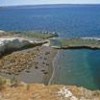
Argentina Aims to Expand Its Maritime Frontier
The sea floor of the South American continental platform holds vast energy, mineral and genetic wealth. Argentina wants to claim its share.Ecobreves – VENEZUELA: 26 Million Trees Planted
The Tree Mission, which was launched in Venezuela a year ago as a five-year plan to plant 100 million trees on 150,000 hectares at the heads of the tributaries of the Orinoco River, has already completed a quarter of its target, reported the authorities.
Amazon Fruit Gatherers Face Biofuel Dilemma
Babaçú fruit gatherers in the Brazilian Amazon must decide if they will join or reject the biodiesel production boom, which will alter the economy of this traditional activity.Ecobreves – BRAZIL: Distance Dispute Between GM and Traditional Maize
A distance of a minimum of 100 meters between a commercial field of genetically modified corn and another field of conventional or organic corn is enough to prevent genetic contamination, says a proposal by Brazil's National Technical Commission on Biosafety.Ecobreves – CHILE: Mapuches Win Battle Against Dump
The municipal government of the southern Chilean city of Temuco backed away from a project to construct a new sanitary landfill which came under fire from indigenous Mapuche communities and the University of the Border.
A Crack in Safety of Argentina's Dams
Argentina may face a human and environmental disaster if it doesn't pass a law on dam safety that takes into account the appropriate risk factors, warn experts.Ecobreves – HONDURAS: A Push for Small Hydroelectric Dams
Four communities in the Río Plátano biosphere reserve, which connects the eastern Honduran departments of Olancho, La Mosquitia and El Paraíso, are promoting renewable energy projects to develop their communities.Ecobreves – BRAZIL: List Released of Slave-Labor Businesses
In a study released this month by Brazil's Labor Ministry, 192 individuals and businesses were found to be exploiting workers in conditions similar to slavery. In the past few years, more than 20,000 workers have been freed.Ecobreves – MEXICO: Campaign Against Misleading Food Ads
The Mexican non-governmental group Consumer Power, whose complaint won the removal of children's breakfast cereal advertising from television, is now preparing action against similar ads and pushing for legislative regulation.Ecobreves – ARGENTINA: Alternative Energy for Rural Schools
A project by ecologist and civil society groups in Argentina launched this month will bring wind and solar energy to 125 rural schools across the country that lack access to the electrical grid.Ecobreves – CHILE: Garbage Collectors, Unite!
On Jul. 11 in Chile, the National Movement of Garbage Collectors was born. With more than 200 members, the celebrated by marching under the slogan "Organized collectors will never be stepped on".
Unknown State of Caribbean's Whales and Dolphins
Accidents involving fishing nets, which kill 300,000 cetaceans -- whales, dolphins and porpoises -- each year, are difficult to estimate in the Caribbean, where artisanal fishing is the norm.« Previous Page — Next Page »





Tierramérica is the main communications platform on sustainable development and the environment in Latin America and the Caribbean. It is produced by IPS Noticias, the agency’s Spanish-language service, which created it jointly with the United Nations Development Programme (UNDP) and the United Nations Environment Programme (UNEP), with later support from the World Bank. The weekly editions of Tierramérica are published in Spanish, Portuguese and English and are picked up and printed by dozens of media outlets in the region. Follow us on Facebook and Twitter.

From the Frontline of Environment
Supported by

Tierramérica en Español

Terramérica em Portuguese

