Languages
Sunday, November 22, 2026



News and Views from the Global South
Africa
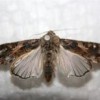
EAST AFRICA: New Arsenal Against Armyworms
Farmers across Eastern and Southern Africa will soon have a new organic insecticide effective enough to kill one of their most deadly foes – the armyworm.
SOUTH AFRICA: Tuberculosis in Children Neglected
Even though tuberculosis (TB) is a major cause for illness and mortality in children, South Africa lacks the political will to tackle the disease, health experts say.
Burundi’s Opposition Alleges Election Fraud
The first in a series of elections has brought simmering discontent with Burundi's electoral commission to the boil.Somali Torture Survivors Get Green Light to Sue in U.S.
The Supreme Court agreed Tuesday with a group of 19 torture survivors, joined by religious, human rights and support groups, that a former Somali prime minister is not protected from a lawsuit in the U.S. for alleged torture and human rights abuses.
Fouls and Goals for Climate Change at World Cup
South Africa, where the FIFA Football World Cup is to kick off Jun. 11, has introduced cleaner transportation, while Brazil is planning ecological stadiums for the championship it will host in 2014. But these and other initiatives clash with the countries' overall environmental performance.
Windfall for Botswana Farmers
Two of Botswana's biggest breweries are putting smiles on the faces of farmers. No, they are not giving beer away: the breweries are planning to buy sorghum from small-scale farmers at prices far higher than the Botswana Agricultural Marketing Board (BAMB) is offering.
Are Namibian Women Being Forcibly Sterilised?*
A landmark court case, alleging that HIV-positive women were forcibly sterilised in Namibian state hospitals begins in Windhoek's High Court on Jun. 1. Human rights groups claim the practice has continued long after the authorities were notified.
AFRICA: Climate Change Assistance so Near and Yet so Far
Technology transfer and aid for trade could assist least developed countries (LDCs) suffering the effects of climate change. But negotiations in the World Trade Organisation (WTO) are not helping to make this a reality, while aid for trade lands up at the wrong institutions, such as the World Bank.EGYPT: Extension of Law Becomes an Emergency
The government's decision to renew Egypt's longstanding Emergency Law has drawn furious reactions from opposition figures and rights advocates. While government spokesmen say the law will only be used against terrorism and drug trafficking, critics say it is aimed primarily at stifling political dissent.
AFRICA: Women Demand Answers and Action from ICC
With the first Review Conference of the Rome Statute of the International Criminal Court (ICC) under way in the Ugandan capital Kampala, women are crying out for justice for gender-based violence inflicted upon them during the civil conflict in the country’s north.MALAWI: Gay Couple Released After Presidential Pardon
Five months and a day after their arrest, the gay Malawian couple who dared to publicly declare their union with a traditional engagement party were pardoned by the president and released without conditions.North-South Conservation Divide: “Show Me the Money”
Developing countries rich in plants and animals but poor in financial and technical resources refused to make binding commitments to halt the unraveling of the planet's biological infrastructure at the close of a major meeting Friday at the U.N.'s African headquarters in Nairobi.
ECONOMY: “G20 Meeting Should Address Plight of Poorest States”
The Group of 20 should show its concern about those that the global economic crisis "is leaving behind" by putting the plight of least developed countries on the agenda at its meeting later this month.Taking Stock of the International Criminal Court
The first Review Conference of the International Criminal Court will open in the Ugandan capital, Kampala, on May 31. The conference is the first opportunity to propose amendments to the treaty that established the ICC, the Rome Statute, and to assess the implementation and impact of the ICC.
SOUTHERN AFRICA: Developing a Pristine River: The Okavango Basin
The welcome end to wars in the upper reaches of the Okavango River brings new pressures for development and the risk of unwelcome changes to the health of the river. A joint commission to manage the basin is developing tools to avoid this.
AFRICA: Small Scale Farmers Vulnerable to New Wheat Fungus
Smallholder wheat farmers are at risk as new mutations of a wheat-killing fungus have recently been discovered.
SOUTH AFRICA: Lack of Quality Health Care Causes Rise in Orphans
Two small boys play quietly on a jungle gym, some distance away from other children. The six-year-old twins, who live at the Masigcine children's centre in Mfuleni township, 35 kilometres out of Cape Town, are severely traumatised from being orphaned at the age of one and have difficulty relating to their peers.U.N. Biodiversity Plan Demands Voice for Women
Women provide up to 90 percent of the rural poor's food and produce up to 80 percent of food in most developing countries, and yet they are almost completely ignored when policy decisions are made about agriculture and biodiversity.
SOUTH AFRICA: Will Soccer World Cup Attract Human Traffickers?
A fierce debate has erupted over claims that the 2010 Soccer World Cup will fuel the trafficking of women from African and other countries to South Africa for sexual exploitation during the cup, which starts on Jun 11.
Universal Education an Empty Promise for Liberia’s Girls
In a small office tucked behind the stairwell in Liberia’s Ministry of Education, the once-proud staff of the Girls’ Education Unit appear defeated.AGRICULTURE: Africa Should Take Lessons from China — IFPRI
The model of agriculture applied by the People’s Republic of China during the last 30 years is an example that the poorest countries in sub-Saharan Africa should follow in their quest for development and growth and to eradicate poverty, according to agricultural experts.« Previous Page — Next Page » *#*

The Week with IPS

NEXT STOP - SDGs
Tracking global progress towards a sustainable world
Tracking global progress towards a sustainable world
