Languages
Sunday, November 15, 2026



News and Views from the Global South
Europe
AFRICA: Drying, Drying, Disappearing…
Lake Chad was bigger than Israel less than 50 years ago. Today its surface area is less than a tenth of its earlier size, amid forecasts the lake could disappear altogether within 20 years.
ENERGY-ICELAND: Osmotic, Tidal Power Show Promise
Iceland already gets over 72 percent of its energy from renewable, hydroelectric and geothermal sources, but Icelanders are ambitious when it comes to energy and scientists are now looking at osmotic and tidal power to meet future energy needs.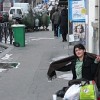
RIGHTS-FRANCE: Homeless Prefer Streets to Gov’t Shelter
They huddle in the doorways of buildings with their few belongings, trying to keep warm. Or they sleep in covered shopping centres, accompanied by their pets - usually dogs. Some, reluctantly, make their way to government-run shelters.
CLIMATE CHANGE: “The Intelligence We Lacked”*
World leaders speaking in Copenhagen on Friday, the last day of negotiations for a deal on climate change, retreated into their national positions.
CLIMATE CHANGE: Norway Is Trying*
Norway is the world’s third largest donor in terms of development aid as a percentage of GDP. Norwegian Minister of Environment and International Development Erik Solheim spoke to TerraViva about the initiatives promoted by his country on environmental protection and its role during the Copenhagen negotiations.EUROPE: Cosy With Israel, Despite the Headlines
Israel's relations with the European Union were tense for most of 2009 - if newspaper headlines are to be believed. In the past week, a British court drew fierce criticism from Israeli politicians after it issued an arrest warrant for Tzipi Livni, the former Israeli foreign minister, following a complaint that she had authorised war crimes in Gaza.HEALTH-EUROPE: ‘Czech Attitudes to HIV/AIDS Risky’
Complacency and ignorance over the risks posed by HIV and AIDS are threatening to send infection rates soaring in the Czech Republic, health authorities.SPAIN: One Month into Hunger Strike, “Sahrawi Gandhi” in ICU
Aminatou Haidar, the Western Sahara independence activist who has been on a hunger strike in a Spanish airport for 32 days demanding to be allowed to return to her homeland, was taken to the hospital just after midnight Wednesday, and is in intensive care.
Q&A: Global Economic Apartheid Is Obstacle to Fair Climate Deal
"Climate change is an opportunity to deal with all the issues of equity and justice that we have been struggling for all along," said Kumi Naidoo, Executive Director of Greenpeace International in an interview with IPS on Thursday in Copenhagen.RIGHTS: Gays Take Heart From Austrian Ruling
Landmark legislation on same-sex registered partnerships in Catholic Austria is an example that politicians in Eastern Europe's Catholic countries should now follow, gay rights groups in the region say.
CLIMATE CHANGE: Meat-Eating Gets Grilled
Climate change has given vegetarians a big, new stick to bash meat-eating with, albeit one they would have gladly done without.POLITICS: Europe Sends New Year Cheer for Serbs
Serbs can look forward to better prospects in the New Year, having scored two major diplomatic victories in recent weeks that may help integrate their country with Europe.RIGHTS: Europe Plans Spies in the Skies
Warplanes similar to those used to bomb civilians in Afghanistan and Pakistan will be flying in Europe's skies within the next few years, under a scheme being prepared by Brussels officials.CULTURE-TURKEY: Kurdish Directors Make ‘National’ Cinema
A ban on the pro-Kurdish Democratic Society Party in Turkey has not deterred Kurdish filmmakers from all over the globe gathering in this southeastern city to continue their struggle for recognition through cultural means.
CLIMATE CHANGE: Hope in 100,000 Flavours
The midpoint of a conference on climate change in which tremendous hope has been invested; unsurprising then that demonstrations of popular desire for decisive action against global warming took place around the world.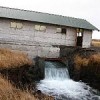
ENVIRONMENT-ICELAND: Do-it-Yourself Renewable Energy Catches On
When Innovation Centre Iceland (ICI) managers began courses in farming renewable energy in October they were unprepared for the enthusiastic response from citizens.
CLIMATE CHANGE: Portraits from the Summit
Among the thousands of people who have flocked to the Danish capital this week for the climate change summit and dozens of parallel activities are activists of all ages and stripes and representatives of the business community. TerraViva caught up to some of them to find out why they are here and what they hope to achieve.
ENVIRONMENT: Sun Greets “Flood for Climate Justice”
The sun came out in Copenhagen Saturday for the first time this week. But even though its rays were too weak to temper the bone-chilling cold, it shone brightly over the 5,000 people who braved the weather to participate in a demonstration organised by Friends of the Earth International (FOEI).ENVIRONMENT: Europeans Pay Companies to Pollute More
Some of the world's most polluting companies are receiving financial support from the European taxpayer to promote the continued use of the fuels that cause global warming, according to a new report.
CLIMATE CHANGE: East Europe, Developed or Developing?
The European Union is presenting itself as a united front during negotiations in the Copenhagen climate change conference. But East European countries insist that they are developing nations and prefer to limit their aid and emissions commitments.CLIMATE CHANGE: Europe Makes Shy Commitments
"Decision-makers should stop thinking in realpolitik terms and acknowledge that we are out of time,’’ says Magda Stoczkiewicz, director of Friends of the Earth (FoE) in Europe.« Previous Page — Next Page »


The Week with IPS

NEXT STOP - SDGs
Tracking global progress towards a sustainable world
Tracking global progress towards a sustainable world
