Languages
Tuesday, November 24, 2026



News and Views from the Global South
Global
RIGHTS: Getting Harassment on the Map
Less common but perhaps more useful than the tourist map is the 'harassment map' that many Cairo women are beginning to refer to.
South Expo Highlights Homegrown Poverty Solutions
The Third Annual Global South-South Development Expo (GSSD Expo) opened Monday in Geneva with more than 400 delegates from over 40 countries gathered to showcase innovative solutions to poverty challenges that have been created in developing countries.Pulling the Plug on Violent Propaganda
A review of modern human history finds no shortage of instances where hate speech has fuelled genocidal rampages against minority ethnic groups.
Q&A: Imagining Urban Life Without Catcalls or Rape
The U.N. Development Fund for Women (UNIFEM) launched an ambitious new initiative to improve the safety and wellbeing of women in five major cities Monday - New Delhi, India; Cairo, Egypt; Quito, Ecuador; Kigali, Rwanda; and Port Moresby in Papua New Guinea.Despite Setbacks, Africa Seen as Key Player in Future
As the international community commemorated Africa Industrialisation Day last week, United Nations officials expressed mixed emotions about a beleaguered continent plagued by a rash of political, economic and military crises.“Perfect Storm” Spurred 2007-08 Food Crisis, Study Says
Rising food prices have not yet reached crisis levels but they are expected to remain very volatile for about the next decade, researchers said Thursday.
Tough Action Urged to Protect Bluefin Tuna
With the Atlantic bluefin tuna being fished to extinction, environment groups have increased their pressure on governments to take action to protect the species.
World’s Poorest Nations See a Glimmer of Hope
When the U.N. General Assembly recognised a special category of member states ranked as Least Developed Countries (LDCs) back in 1971, there were only 25 which qualified for the dubious distinction of being the "poorest of the world's poor".Funding Cuts on Horizon for Global Health, AIDS
Over the past several years, the number of people needing treatment for HIV/AIDS has risen, but so has the amount of funding for the treatment and prevention of the disease. The United States has been at the forefront of that funding, but with the new emphasis in Washington on reducing government spending that may be about to change.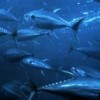
Seasonal Bans Not Enough to Save Pacific Tuna
The countries that fish for tuna in the Eastern Pacific Ocean see seasonal bans as a form of responsible fishing, but environmentalists argue that they are not enough to ensure the survival of a resource that is threatened around the world.SOUTH-EAST ASIA: Indonesia’s Forests Loom As Green Gold
All eyes are on Indonesia and its forest policy as climate- change negotiations continue in the upcoming global talks in Mexico, against the prospect of billions of dollars flowing from the planet’s major polluters to the developing world to slow global warming.
HAITI: Anger Erupts at U.N. as Cholera Toll Nears 1,000
"People are going to take the body to MINUSTAH to show them what they did," Jean-Luc Surfin told IPS by phone as riots erupted against Haiti's U.N. peacekeeping force on Monday in the northern city of Cap-Haitien.BURMA: After Suu Kyi’s Release, Dangerous Time Sets In
A dilapidated colonial villa on the banks of the Inya Lake in Rangoon, Burma’s largest city, has regained its identity as a home – instead of a prison – following the Saturday release of Aung San Suu Kyi, the icon of the military-ruled country’s democracy movement.
POLITICS-BURMA: Emotions Peak As Suu Kyi Is Freed
Some were smiling, many were crying and others were shouting, but emotions overflowed among the hundreds of Burmese who had been keeping vigil for the latest release from house arrest of the country's pro-democracy leader, Aung San Suu Syi.Vaccines Make Gradual Headway Against Child Pneumonia
It had seemed her kids had the flu or a cold. But when it got worse, she took little Abigail to hospital. It was already too late; Abigail died in her mother's arms.DEATH PENALTY: Execution for Drug Offences Challenged
Two Georgian women are facing the death sentence in Malaysia in a case that human rights campaigners say has highlighted worries over the continued imposition of capital punishment for drugs offences.G-20: Summit Shows Power Shift for Developing Economies
Currency and trade tensions may have grabbed the headlines from the two-day summit of the Group of 20 advanced and developed economies, but the bigger story is how the tables have turned and given developing countries a much stronger voice at the international negotiating table.
U.N. Chiefs Vulnerable to Manipulation by Big Powers
Since the creation of the United Nations over 65 years ago, successive secretaries-general have won re-election for a second five-year term mostly by currying favour with the five veto-wielding permanent members of the Security Council: the United States, Britain, France, China and Russia.
Toxic Hotspots Require Global Superfund
One of the world's biggest health threats is also one of the least recognised - more than 100 million people who literally breathe and eat toxic pollutants like lead, mercury, chromium every day, according to the first-ever detailed assessment.Community Radio Stations – Lifeline in Disasters
"Community radio stations in Haiti play an indispensable role during catastrophes, and so do women, who can identify the most urgent needs of families during the reconstruction of the country," said a representative of one of these stations in the Caribbean island nation.Cataloguing Biodiversity Presents a Challenge
An international agreement reached in the Japanese city of Nagoya constitutes a great step forward towards protecting biodiversity from decimation, but also represents an enormous legislative and administrative task, environment experts say.« Previous Page — Next Page »


The Week with IPS

NEXT STOP - SDGs
Tracking global progress towards a sustainable world
