Languages
Thursday, September 17, 2026



News and Views from the Global South
Latin America & the Caribbean

Automated Digital Tools Threaten Political Campaigns in Latin America
The use of technological tools in political campaigns has become widespread in Latin America, accompanied by practices that raise concern among academics and social organisations, especially in a year with multiple elections throughout the region.
Healthy Nutrition Spreads in El Salvador’s Schools
Eating healthy and nutritious food in schools in El Salvador is an effort that went from a pilot plan to a well-entrenched programme that has now taken off.
Wars, Crises and Catastrophes Drive Immigration to Brazil
The war in Angola, the earthquake in Haiti, Venezuela’s political crisis and shortages and the political repression in the Democratic Republic of the Congo are the main driving factors behind the recent waves of immigration to Brazil.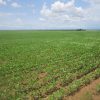
Latin America Makes Headway Against Land Degradation
Two-thirds of the 33 countries of Latin America and the Caribbean have already submitted or are preparing to submit to the United Nations their land degradation goals, to combat a problem that threatens agriculture and the lives of their people.
Biodiversity and Food Security: the Dual Focus of the World Potato Congress
Potatoes were first taken out of Peru, where they originated, 458 years ago to feed the world. Half a millennium later, potatoes have spread throughout the planet but there are challenges to preserve the crop’s biodiversity as a source of food security, as well as the rights of the peasants who sustain this legacy for humanity.
Argentina Continues to Seek Truth and Justice, Despite the Hurdles
Thirty-four years after Argentina’s return to democracy, more than 500 cases involving human rights abuses committed during the 1976-1983 military dictatorship are making their way through the courts. This high number not only shows that the process of truth and justice is ongoing, but also reflects the delays and the slow process of justice.
Argentina’s Law on Forests Is Good, But Lacks Enforcement
Never in the parliamentary history of Argentina had something similar happened: one and a half million people in 2007 signed a petition asking the Senate to pass a law to reduce deforestation. The law was quickly approved, and promulgated on Dec. 26 of that year. But 10 years later, it has left a bittersweet taste.
Expansion of Soy Resurrects Key Railway Line in Brazil
The railroad can contribute to the economy, making transportation cheaper, but it is unlikely to foment equitable development in and of itself, apart from facing complex construction obstacles in countries like Brazil.
Tocantins, a River of Many Dams in Central Brazil
Tocantins, the newest of Brazil’s 26 states, which was created in 1988 to seek its own paths to development in central Brazil, fell into the common plight of expanding borders, based on soy and hydroelectricity.
Argentina Pursues the Lithium Dream
The government of Mauricio Macri dreams of Argentina becoming the world leader in lithium production. But it does not seem so clear that this aspiration, underpinned by the interest of multinational corporations, would also drive the development of local communities.
Clean Energy Sources Manage to Cut Electricity Bill in Chile
A 75 percent drop in electricity rates, thanks to a quadrupled clean generation capacity, is one of the legacies to be left in Chile by the administration of Michelle Bachelet, who steps down on Mar. 11.
Landlocked, a Railway Remains Idle in Brazil
The rails have been laid - thousands of km of rails deteriorating due to lack of use, to the despair of those who believe that a country as vast as Brazil can only be developed by means of trains.
Argentine Soldiers Rest in Peace in the Malvinas/Falkland Islands
Julio Aro, a veteran of the 1982 Malvinas/Falklands war, returned to the islands in 2008. When he visited the Argentine Military Cemetery he found 121 tombs that read: "Argentine soldier only known by God", and he resolved to return their identity to his fellow soldiers. Today he can say that, to a large extent, he has achieved his goal.
Uncertainty Surrounds Renegotiation of NAFTA and Its Consequences for Mexico
The first few months of 2018 will be key to defining the future of the North American Free Trade Agreement (NAFTA), whose renegotiation due to the insistence of U.S. President Donald Trump has Mexico on edge because of the potential economic and social consequences.
Moralist Upsurge in Brazil Revives Censorship of the Arts
It is not yet an official policy because censorship is not openly accepted by the current authorities, but de facto vetoes on artistic expressions are increasing due to moralistic pressures in Brazil.
Central America Weakens Forest Shield Against Future Droughts
Jazziel Baca lives in the municipality of Esquías, in western Honduras, one of the areas hardest hit by the southern pine beetle (Dendroctonus frontalis), which damaged almost 500,000 hectares of forest in that Central American country between 2013 and 2015.
Central America Hashes Out Agenda for Sustainable Use of Water
The countries of Central America are striving to define a plan to promote the sustainable use of water, a crucial need in a region that is already suffering the impacts of climate change.
How a Venezuelan Living with HIV Could Change the Way Mexico Deals with Refugees
As Daniel*, a 26-year-old architect, stood before a visibly exhausted doctor in the main public hospital of the once-idyllic beach resort town of Isla Margarita, northern Venezuela, a terrifying premonition took hold of him.
To Be a Latin-American Migrant in Madrid
If you are in Madrid and have some spare time, just go to an area which residents consider a “high class” neighbourhood situated in a district bordering Barrio de Salamanca, one of the richest areas in the Spanish capital.
Rise of Teenage Pregnancy Deters Development Goals
A few years ago, someone shared a video with me that deeply impacted me. It was called "The Girl Effect". In three minutes, the video demonstrates the fate of millions of girls and teenagers around the world.
Venezuela’s Oil Industry Is Falling Apart
Corruption in the Venezuelan state oil industry, denounced by the government itself, and with former ministers and senior managers behind bars, is the latest evidence that, in the country with the largest oil reserves on the planet, the industry on which the economy depends is falling apart.« Previous Page — Next Page » *#*


The Week with IPS

NEXT STOP - SDGs
Tracking global progress towards a sustainable world
Tracking global progress towards a sustainable world

