Languages
Friday, November 20, 2026



News and Views from the Global South
Asia-Pacific
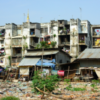
RIGHTS-CAMBODIA: Property Boom Forces Evictions of Urban Poor
Sitting in a wooden house in the urban poor community of Dei Krohome, Touch Ratha recounted a tale of intimidation, secrecy and the blurred line between police, government officials and the private company that she says has been trying to evict her and her neighbours.EAST TIMOR: Horta’s Assailants Scot-Free Thanks to Politics
If the renegade soldiers who attempted to assassinate East Timor President Jose Ramos-Horta on Feb. 11 remain scot-free, it has more to do with the complex politics of this fledgling country than a failure of the armed forces, domestic or international, that protect it.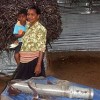
SRI LANKA: Elections Quicker Than Resettlement
In the last one year Sri Lanka’s eastern Batticaloa district has seen two rounds of mass displacements as hundreds of thousands of people fled warfare between Tamil militants and the armed forces of the country.PAKISTAN: Putting Development Back on the Agenda
Pakistan’s new prime minister has announced what many term a ‘revolutionary’ agenda: continue the ‘war on terror’ but on Pakistan’s terms, lift the long standing ban on student and trade unions, raise minimum wages, revoke ‘black’ media laws, provide relief for farmers and observe austerity.ASIA: Rising Rice Prices Threaten Aid Programmes
Rising rice prices are threatening to derail aid programmes run by international agencies while several governments on the continent are taking steps to see that shortages of the staple do not translate into social unrest and food riots.NEPAL: Tibetans Warned of Deportation to China
When King Gyanendra staged his military-backed coup in February 2005, Nepal’s political parties - including the then outlawed Communist Party of Nepal (Maoist) - formed an alliance that successfully opposed the monarch's assault on civil liberties.
FIJI: Needs Funds, Backing China's Tibet Policy
Fiji’s interim Prime Minister, Frank Bainimarama, has been forced to defend his regime’s support for China’s mid-March crackdown on Tibetan protesters, following withering criticism from civil society organisations, politicians and the public.BURMA: Junta Split May Hasten Civilian Rule
By promising to hand over power to a civilian government within two years, Burma’s top general has sparked speculation on the future of the junta that has ruled this country since a military coup in 1962.
MEDIA-INDIA: Bulletin Boards Keep Tibetan Exiles Updated
While the mid-March anti-Chinese protests in Tibet sent campaigners and sympathisers running to the Internet for news, or to post blog entries, Tibetan exiles in this northern Indian town turned to the lowly community bulletin board.CAMBODIA: Planned Lao Dam Raises Concerns on the Mekong
The Lao government’s decision earlier this year to press ahead with plans to build the Don Sahong dam on the mainstream of the Mekong River in southern Laos is causing major concern in Cambodia and internationally.
HEALTH-VIETNAM: Helmet Rule Saving Lives in Motorcycle Country
Three months after Vietnam made the wearing of helmets mandatory for all motorcycle riders, doctors and activists say the law is proving to be a lifesaver in a country where two-wheelers are an important means of transport.
RIGHTS-PAKISTAN: Refugees Fear Return to Afghanistan
The countdown has begun for Afghan refugees to vacate the Jalozai camp, 35 km east of this border city in Pakistan.SOUTH ASIA: Indian Films Back On Pakistan’s Big Screens
Domestic worker Naziran Begum has only one passion in life - watching Indian films. After a hard day’s work, she settles down before her cheap 14-inch TV set to flick through a myriad of movie channels for a mere 150 rupees (3.75 US dollars) per month.MEDIA-SRI LANKA: Edgy Customs Crack Down On Books
Media freedom has hit a new low in Sri Lanka.CHINA: Seeking Economic Route to Taiwan Reunification
China is betting that a formula of economic rapprochement with the self-ruled island of Taiwan would advance its ultimate goal of political re-unification better than emphatic claims of sovereignty hammered home by Beijing.CAMBODIA: Locus Standi For Victims at Khmer Rouge Trials?
Since the start of this year, a team of local researchers has been travelling the Cambodian countryside trying to revive two-decade old petitions in the hope they will form crucial evidence at the international tribunal into the crimes committed by the Khmer Rouge.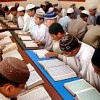
EDUCATION-PAKISTAN: Religious Schools – Boon or Bane?
Mehboob Illahi, 15, cannot wait to leave Pakistan and the Jamia Binoria, the largest madrassa (religious school) in Karachi, forever.POLITICS-PAKISTAN: New Gov’t to Resume Dialogue With India
The installation of a democratically-elected government in Pakistan promises a new chapter in Indo-Pakistan relations, likely after the stalled bilateral dialogue process between New Delhi and Islamabad resumes in April.THAILAND: Islamic Teachers Blamed For Violent Separatism
As Thailand’s new government searches for fresh options to quell an escalating insurgency in the country’s south, its stance towards the region’s pondoks (Islamic schools), will be keenly watched.AUSTRALIA: Mock Refugee Camp Brings Home Grim Realities
Moving aggressively before the locked wire gate, the border guards used large sticks to keep the refugees in check. Eventually, with the aid of bribes, the participants were allowed to cross the border in order to seek refuge in the camp on the other side.
CHINA: Under Pressure to Rethink Tibet Policy
As continuing Tibetan protests testify to the failure of China’s policy of accelerated economic development with harsh political controls in the Himalayan region, pressure on Beijing to begin dialogue with the Dalai Lama, the exiled Tibetan leader, is growing.« Previous Page — Next Page »


The Week with IPS

NEXT STOP - SDGs
Tracking global progress towards a sustainable world
Tracking global progress towards a sustainable world
