Languages
Sunday, July 12, 2026



News and Views from the Global South
Europe
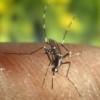
EUROPE: Space Agency Maps Mosquitoes to Combat Tropical Diseases
In times of war, the accurate mapping of enemy positions can be the key to victory. In the war on mosquito-borne diseases such as malaria, mapping the distribution and habitat of mosquitoes can play a crucial role in combating epidemics at the source.EUROPE: New Move to Protect Virgin Forests
Seven countries from the Carpathian Region in Eastern Europe have signed a protocol to prevent one of Europe’s last natural and virgin forests from disappearing at the hands of illegal logging.Germany Pledges Nuclear Shutdown By 2022
Germany has decided to shut all its nuclear reactors by 2022 in a drastic policy reversal in the wake of the nuclear disaster at Japan's Fukushima plant.UKRAINE: Murder Case Reopens Can of Worms
Accused of being unfriendly towards journalists, Ukraine President Viktor Yanukovich has surprised the world by starting an investigation for abuse of power against former president Leonid Kuchma over the murder of an opposition journalist in 2000.Iceland Pushes Energetically Ahead
Iceland’s national power company, Landsvirkjun, has announced that it intends to double its generating capacity over the next 15 years, with a blend consisting mostly of hydroelectric and geothermal plants but potentially using wind and tidal energy as well.Arrest Takes Serbia Towards Reconciliation, and the EU
"Nothing can bring back our husbands or children, but this means so much for us; the man who ordered them killed is finally going to face justice," says Hajra Catic, head of the Women of Srebrenica Association, following the arrest in Serbia of the former head of the Bosnian Serb army Ratko Mladic.
ENVIRONMENT-RUSSIA: Activists Protest Destruction of 500-Year-Old Forest
Environmentalists and rights campaigners have mounted pressure on the Russian government to rescind the decision to demolish more than 500-year-old woodlands to make way for the construction of a new super-highway linking Moscow with the country's northern capital, St. Petersburg.EUROPE: Investment Treaties Undemocratic
A proposal to put an end to the highly anti-democratic nature of the European Union’s Bilateral Investment Treaties was heavily watered down by a plenary voting in the European Parliament. However, in their current form the treaties may pose a serious risk for European democracy.EUROPE: Media Complicit in Rise of Xenophobia
As European leaders increasingly question the concept of Europe without borders and follow each other in announcing the end of multiculturalism, the media response has been mostly to present migrants as destabilising Europe’s labour markets and welfare states.GREECE: Athens Plunges Deeper Into Crisis
The murder of Manolis Kantaris, 44, last week has initiated a vicious circle of violence in the Greek capital that deepens the existing wounds of the country and makes many wonder what the future holds for Athenians.
AZERBAIJAN: Govt Fears Spread of Arab Spring
In the wake of anti-government protests by the opposition and youth activists in Baku, Azerbaijan, authorities have arrested and detained scores of demonstrators and journalists in deplorable and inhumane conditions.BALKANS: Justice For All?
Serbia has been reforming and transforming its justice system to more closely emulate international and European models, but the concept of plea-bargaining for more lenient sentences has led to unprecedented protest in the country.
New Dangers Arise at Chernobyl
In the aftermath of the anniversary of the worst nuclear disaster in history, Ukrainian authorities have pledged not to abandon those still in need of assistance. But many of the country’s policies may be increasing the risk of a new catastrophe.BALKANS: Cornered Hopelessly at Work
Katka Ceh has been selling vegetables at Pancevo’s open-air market since losing her job as a pre-school teacher in the nearby village of Kovacica more than a year ago.The Royal Are More Royal Outside Britain
Quite a treat Britain has on offer for the world these days. Or who would ever have been talking - in this day and age - about a prince and princess riding in splendour into a world of pageboys and palaces.
PORTUGAL: Commemoration of Revolution Turns into Protest Against IMF
The traditional celebration of the anniversary of the 1974 Carnation Revolution in the Portuguese capital turned into a massive protest against the extreme austerity measures imposed by the European Union and the International Monetary Fund (IMF) as a condition for the imminent financial bailout.
New Sarcophagus for Chernobyl Will Have to Wait Until 2015
The ruins of the Chernobyl nuclear reactor where an explosion 25 years ago led to one of the worst environmental disasters in history still contain 95 percent of the original fuel load, which remains highly radioactive.
Death Hangs Over Homecoming at Chernobyl
It was almost 6am on April 26, 1986, when Alexey Breus left his flat in Pripyat and headed towards Chernobyl’s infamous reactor number 4, unaware that it had been five hours since his workplace had witnessed the beginning of the world’s worst nuclear disaster: "Only when I arrived with the bus I saw the destruction," he told IPS. "My hair stood up."OP-ED: Still No Escape From Killer Chernobyl
The accident could have served as a wake-up call to the whole of humanity. Twenty-five years ago, on Apr. 26 1986, disaster struck at the fourth reactor of the Chernobyl nuclear complex in the Ukrainian state of the former Soviet Union.ECONOMY: Portugal Negotiates Draconian Bailout Plan
The strangling of the Portuguese economy by the international capital markets has led to what was expected: a bailout with tough conditions that will bring the country to its knees.SPAIN: Madrid Mayor Wants to Sweep Homeless Out of Sight
The mayor of Madrid, Alberto Ruiz-Gallardón, has called for a law for compulsory removals of homeless people off the streets, but this has met with resistance from civil society organisations and has split Ruiz-Gallardo's own People's Party (PP).« Previous Page — Next Page »


The Week with IPS

NEXT STOP - SDGs
Tracking global progress towards a sustainable world
Tracking global progress towards a sustainable world
