Languages
Sunday, November 1, 2026



News and Views from the Global South
Global

Climate Injustice at Glasgow Cop-Out
The planet is already 1.1°C warmer than in pre-industrial times. July 2021 was the hottest month ever recorded in 142 years. Despite the pandemic slowdown, 2020 was the hottest year so far, ending the warmest decade (2011-2020) ever. Betrayal in Glasgow Summing up widespread views of the recently concluded Glasgow climate summit, former Irish President Mary Robinson observed, “People will see this as a historically shameful dereliction of duty,… nowhere near enough to avoid climate disaster”.
It’s Time to Find Solutions to the Gendered Consequences of the Pandemic
The COVID-19 pandemic has had devastating effects across the globe, but the data and evidence show that women have borne the brunt of the crisis. While inequalities in health, economic power, and other areas existed long before the pandemic began, the pandemic has widened these gaps.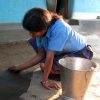
‘The Brutal Death of a Child’s Dream’
Kailash Satyarthi, an Indian social reformer and co-recipient of the 2014 Nobel Peace Prize, along with Malala Yousafzai, spoke in a recent international forum about the devastating impacts of child labour.
Glossing Over in Glasgow – Some Thoughts on COP26
A week has gone by since COP 26 with 197 Parties ended in the Scottish city of Glasgow on extended time last Saturday. Climate change which covers wide array of issues affecting all living beings engaged the people around the world for COP 26 in a way never experienced since COP1 was held in Berlin in 1995.
Mental Health: Getting to Healthy, Happy
"I was told to wait and cry it out. How could I explain to them that I have been crying for years? That was not the solution," asks Azra Zeng, a divorced mother of four in an interview with IPS. "I wanted to speak to someone. I wanted to seek help where I could feel whole again. It felt that I was dying from inside, but no one could see."
1 in 2 Humans Cannot Celebrate World Toilet Day – This Is Why
Did you know that half of the world's population do not have toilets? And that, globally, at least 2 billion people use a drinking water source contaminated with faeces? And that every day, over 700 children under five years old die from diarrhoea linked to unsafe water, sanitation and poor hygiene?
Children Address Unequal Access to Education During Pandemic
In the whirl of effort nations are making to combat COVID-19, the powerful role that children and young people can play in overcoming the harmful effects of school closures is too easily overlooked.
Double Solution to Ongoing Food and Climate Crises
For the last ten years, Angeline Wanjira’s food stall at Kirigiti Market in Kiambu County has featured the same foods, cabbages, potatoes and carrots, keeping with the community’s most preferred food types.
Antimicrobial Resistance Calls for Brainpower of a Space Agency and Campaigning Zeal of an NGO
The cost of infectious diseases is somewhere between staggering and incalculable. Around $8 trillion and 156 million life years were lost in 2016 alone. Throughout human history, pestilences have wiped out more lives than famine and violence.
Why Covid-19 Misinformation Works
At the United Nations General Assembly meeting in September, Brazilian President Jair Bolsonaro used his allotted time at the podium to recount his views on Covid-19. He extolled the virtues of treatments that have been rejected by scientists and proclaimed that he had benefitted from the anti-malarial drug hydroxychloroquine.
Politicians Subsidise Fossil Fuel with Six Trillion Dollars in Just One Year
It sounds incredible: while politicians have been cackling about the climate emergency and profiling in empty promises to halt it, they have spent six trillion US dollars from taxpayers' money to subsidise fossil fuels in just one year: 2020. And they are set to increase the figure to nearly seven trillion by 2025.
WTO Finished Without TRIPS Waiver
Quickly enabling greater and more affordable production of and access to COVID-19 medical needs is urgently needed in the South. Such progress will also foster much needed goodwill for international cooperation, multilateralism and sustainable development.
What Governments Should Learn from The Climate Activists
“Nothing about us without us” – that was the call from the indigenous rights advocate Ghazali Ohorella from the Alifuru people in the Maluku Islands, Indonesia during a panel at the climate summit in Glasgow.
Growing Digital Divide Threatens Recovery from Covid-19
A growing digital divide is emerging as a major threat to a robust recovery from the Covid-19 pandemic, according to new research by the European Bank for Reconstruction and Development (EBRD).
Asian Staffers at UN Launch Network to Protect Rights & Fight Racism
The United Nations, which consists of 193 member states, has long been accused of discrimination against staffers who number over 315,000 and spread across 56 UN agencies and entities worldwide. But most of these are deeply rooted system-wide. A wide-ranging staff survey, both in New York and Geneva last year, revealed that discrimination was based either on race, religion, gender or nationality.
Glasgow Summit Ends Amidst Climate of Disappointment
Developing countries will surely remember the Glasgow climate summit, the most important since 2015, as a fiasco that left them as an afterthought. That was the prevailing sentiment among delegates from the developing South during the closing ceremony on the night of Saturday Nov. 13, one day after the scheduled end of the conference.
Diabetes Equates the Rich and the Poor
Although for different reasons, diabetes appears to be one of the few cases that put rich and poor societies at equal footing. In either case, diabetes is caused by wrong, dangerous to health nutritional habits.
Antibiotics? Handle with Care
Antibiotics, like other antimicrobials, have become a threat to health rather than healing it. Why? Because their misuse and overuse have created such a strong resistance that they no longer respond to medicines, making infections harder to treat and increasing the risk of disease spread, severe illness and death. Much so that antimicrobial resistance is now considered among the top 10 global public threats facing humanity.
COP26: Climate Action in Agribusiness Could Reduce Emissions by up to 7 per Cent
Targeted action in agriculture could have a massive impact on climate change, according to a joint brief by the European Bank for Reconstruction and Development (EBRD) and the Investment Centre of the Food and Agriculture Organization of the United Nations (FAO), published at the COP26 climate conference in Glasgow scheduled to end November 12.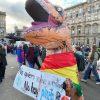
Social Movement Voices Fall on Deaf Ears of Governments at COP26
One element that runs through all social movement climate summits is their rejection of the official meeting of the United Nations Framework Convention on Climate Change (UNFCCC) and the low ambition of its outcomes - and the treaty's 26th Conference of the Parties (COP26) was no exception.
COP26: Avoiding Carbon Tunnel Vision: Action on Climate Change Needs an Inter-connected Response
With the UN climate change conference – COP26 – continuing this week in Glasgow, it’s obvious that there is consensus among a majority of world leaders and key stakeholders that much more needs to be done, if the ambition of keeping global warming to a 1.5-degree increase is to have any chance of being met. Yet talk, as they say, is cheap. Or, in the words of Greta: too much “blah, blah, blah” and not enough action.« Previous Page — Next Page »





The Week with IPS

NEXT STOP - SDGs
Tracking global progress towards a sustainable world
Tracking global progress towards a sustainable world
