Languages
Sunday, November 1, 2026



News and Views from the Global South
Global

Climate Change: Adapt for the Future, Not the Past
Funding for developing countries to address global warming is grossly inadequate. Very little finance is for adaptation to climate change, the urgent need of countries most adversely affected. Also, adaptation needs to be forward-looking rather than only addressing accumulated problems.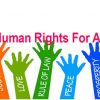
All Humans Are Born Equal in Rights? That’s Still Far from Being True
”All human beings are born free and equal in dignity and rights.” These words are a sound introduction to the transcendental issue of human rights and equalities, as stated by the 1948 Universal Declaration of Human Rights (UDHR).
Global Arms Industry Thrives Amid Worldwide Pandemic Devastation
The 21-month long pandemic, which began with the outbreak of the deadly corona virus back in March 2020, ravaged hundreds and thousands of businesses and industries resulting either in widespread losses, closures or bankruptcies.
Zero-Leprosy in Pandemic: Experts, Advocates Discuss New Strategies
As 2021 nears its end, public health systems worldwide remain severely strained by COVID 19, which is showing no sign of ending. But even as countries battle to control the deadly pandemic, they must also maintain the progress made against other diseases, including leprosy, global leprosy experts and advocates have urged.
Social Distance, Science and Fantasy
In these times of COVID isolation, social distance get on the nerves of several of us and the effects may be long-lasting, even endemic. Many schoolchildren have interacted and still meet with their teachers through computer networks, while the same phenomenon applies to their contact with others. Technical devices are with an ever-increasing scope becoming an integral part of all communication, teaching, and entertainment, in short – of social interaction. When it comes to education, given all the poor and even harmful educators we are forced to encounter during our lifetime, mechanization of education might be perceived as a step forward. Nevertheless, too much dependence on the internet might undoubtedly have its pitfalls; contributing to an abstraction of our existence where real adventures and life-changing encounters with other human beings become all the rarer. The world may be demystified, losing its wonder and magic.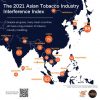
Big Tobacco Industry Rides COVID-19 Pandemic as Countries Grapple for a Response
Almost two years into the COVID-19 pandemic, many countries in the developing world continue to grapple with basic issues such as securing sufficient vaccines and providing essential medical care for their sick. Many economies are in recovery mode as governments scramble to resuscitate them with recovery packages and build back better plans.
Clean Energy Alone Won’t Uplift Impoverished Nations — We Must Invest in People
Last month, at the COP 26 climate conference in Glasgow, a consortium of philanthropies, led by The Rockefeller Foundation, announced a massive program to fund renewable electricity projects for impoverished people in developing countries.
Volunteerism: Central to the Creation of a New Social Contract
The International Volunteer Day, on December 5, is not just one of the many internationally observed days that the United Nations commemorates annually.
African Network Fosters Unity, Fights Gender Discrimination & Advances Sustainable Development
The widespread 21-month-old lockdown, triggered by the corona virus pandemic, had a destructive impact on the global economy, claimed over 5.2 million lives, destabilized governments and radically changed lifestyles worldwide.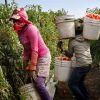
Call It ‘Old’, ‘Contemporary’, ‘Modern’ or Whatever: It Is Slavery
No matter what it is called -- it is the abhorrent daily life of a billion enslaved humans. The real number of “modern” slaves is understandably unknown. The International Labour Organisation (ILO) estimates that more than 40 million people worldwide are victims of modern slavery.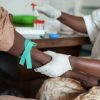
Inequality is Set to Kill Millions – “We Have to Fight it Together.”
This week I called out to the world to warn them that inequalities are making us all unsafe. I noted starkly our new analysis that we face millions of additional AIDS deaths – 7.7 million in the next decade alone – as well continued devastation from pandemics, unless leaders address the inequalities which drive them. We have to treat this threat as an emergency, as a red alert.
How Inequality Drives HIV in Adolescent Girls and Young Women
Despite the advances that have been made against HIV, the world has 37 million people living with HIV. And 680,000 people died from AIDS-related causes in 2020. While the prevention of mother to child transmission, and provision of treatment as prevention, are great successes, there are still gaps. Over 1.5 million new HIV infections were recorded in 2020.
How to Tackle the Femicide Epidemic
Since the start of the Covid-19 pandemic, the increase in domestic violence rates has led the United Nations to declare a ‘shadow pandemic’ of gender-based violence. In the most brutal cases, the violence has led to murder – or ‘femicide’, as the World Health Organisation calls the killing of women specifically because of their gender.
Profiting from the Carbon Offset Distraction
Carbon offset markets allow the rich to emit as financial intermediaries profit. By fostering the fiction that others can be paid to cut greenhouse gases (GHGs) instead, it undermines efforts to do so.
UNESCO Member States Adopt Recommended Ethics for AI
The member states of the United Nations Educational, Scientific and Cultural Organization (UNESCO) have agreed on a text of recommended ethics for artificial intelligence (AI) that states can apply on a “voluntary” basis.
School Meals Coalition Hopes to Provide a Meal to Every Child
Meals at schools not only give each child a nutritious meal but increase enrolments, among other benefits.
Gender, Education and Drop Outs
While COVID 19 is keeping the world and news media in its constant grip and national politics often come to the forefront, it might be easy to forget urgent and nevertheless related matters. One is how global education has suffered and how children and youngsters have been forced to cope with a different reality. This aspect like so many other of human existence is gendered and while addressing education it is relevant to talk about changing gender roles as well.
Feminism Weaponized Against Trans People
There is a resurgence of anti-trans sentiment right now. It’s not only Dave Chapelle’s toxic rants in his most recent Netflix special: we see it across social, political and cultural arenas including in JK Rowling's ongoing embrace of trans exclusionary radical feminists (TERFs); the introduction of bills designed to harm trans kids in the US; Uganda's Sexual Offenses bill, which violates international human rights; and “gender-critical” academics like Kathleen Stock profiting from their inflammatory rhetoric.
Yet Another Scourge: A Third of All Women are Subjected to Violence
Thirty percent of women and girls suffered physical or sexual violence in their lifetime, most frequently by an intimate partner. And more than 70 percent of all sold, bought and enslaved victims of human smuggling and trafficking are women and girls -- three out of four of them are sexually exploited.
Climate Change with 8 Billion Humans
With world population approaching 8 billion humans, the demographic growth of nations is unfortunately largely ignored by governments whenever climate change is considered.
Protecting Environmental Water from Antimicrobial Resistance
The overuse and misuse of antimicrobial medicines and chemicals has become the main driver of antimicrobial resistance (AMR) and drug-resistant infections that threaten human health and the global economy.« Previous Page — Next Page »





The Week with IPS

NEXT STOP - SDGs
Tracking global progress towards a sustainable world
Tracking global progress towards a sustainable world
