Languages
Monday, November 9, 2026



News and Views from the Global South
Global
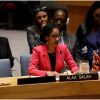
The Fight for Bread Became a Fight for Freedom
My name is Alaa Salah. I am 22 years old and I grew up in Khartoum. Before the revolution, I was a student of architectural engineering. I did not grow up around politics, but in an ordinary middle-class family—my mother is a designer and my father owns a construction company.
Trade Liberalization for Development?
The International Monetary Fund (IMF), the World Bank and the World Trade Organization (WTO), all dominated by rich countries, have long promoted trade liberalization as a ‘win-win’ solution for “all people—rich and poor—and all countries—developed and developing countries”, arguing that “the gains are large enough to enable compensation to be provided to the losers”.
Prepare to Win: Tsunami Awareness and Preparedness
Once considered rare in their occurrence, in the last 10 years tsunamis have struck nearly every year: from Samoa to Chile, and from Iceland to New Zealand.
Online Trolls, Bots, Snoopers Imperil Democracy: Report
Using armies of online fans, trolls and, automated ‘bots’, the world’s authoritarians and populists are increasingly using the web to drown out opponents and swing public opinion and elections their way, a new study says.
‘When Journalists are Targeted, Societies as a Whole, Pay a Price’: UN Chief
“Without journalists able to do their jobs in safety, we face the prospect of a world of confusion and disinformation”, UN Secretary-General António Guterres has warned in a statement released ahead of the International Day to End Impunity Against Journalists, which falls on 2 November.
#KeepthetruthAlive
 Each year 100 journalists are killed in the course of their work. Nine out of 10 cases remain unresolved.
On Nov. 2 the United Nations recognises the International Day to End Impunity for Crimes against Journalists.

The Rapid Decline in Civic Freedoms: 5 Countries to Keep an Eye on
2019 has been a year of protest. From Algeria, to Chile, to Hong Kong, ordinary people have taken to the streets to voice their dissatisfaction with governance systems. Their causes are as diverse as the people pouring into the streets.
Red Alert for Blue Planet and Small Island States
Barely a week passes without alarming news of the most recent scientific research into the global climate crisis compounding a growing sense of urgency, particularly the impact on small island states from rising sea levels and extreme weather.
As Urbanisation Grows, Cities Unveil Sustainable Development Solutions
Over half of the world’s population now live in cities, with numbers expected to double by 2050, but while urbanization poses serious challenges, cities can also be powerhouses for sustainable development; something the UN is spotlighting on World Cities Day, marked 31 October.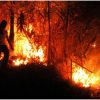
How Can We All Hear That the World is on Fire?
The annual rhythm of the United Nations year peaks with the General Assembly in September. One month on, it’s a good time to reflect on this year’s gathering which was remarkable for its focus on fighting climate change, the transforming effect of one 16 year old girl telling it like it is, and the way people heard her words in a way they haven’t heard before.
UN Turns to Global Investors for Billions Needed for its 2030 Development Agenda
A Republican US Senator of a bygone era was once quoted as saying “a billion here, a billion there, and pretty soon you're talking about real money.”
Industrial Policy Still Relevant
Industrial policy refers to the promotion of new investments and technology by governments to encourage the growth and development of specific economic sectors. However, scepticism persists about the feasibility and desirability of using industrial policy, especially of the ability to ‘pick winners’, often accused of leading to ‘propping-up failing industries’.
Beyond the Headlines: the Development Story Behind Irregular Migration
Last week, a too-familiar human tragedy captured news headlines. 39 people were found dead inside a shipping container on an industrial estate in Essex in Southeast England; 31 men and 8 women whose individual identities, for now, remain anonymous, as authorities begin to investigate one of Europe’s worst people-trafficking cases.
Governments Must Short Circuit Tobacco Industry’s Pervasive Tactics
The tobacco industry’s new rhetoric that smoking is harmful and that its so-called less risky products will reduce the global tobacco epidemic, should see the industry stop opposing or fighting government efforts to reduce tobacco use. However, this is not the case.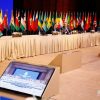
Sustainable Development and Education – Is the Non-Aligned Movement Still Relevant?
By the time of publication, representatives, senior officials, and Heads of State and Government of 120 countries from around the world will have converged on Baku in Azerbaijan for the XVIIIth Summit of the Non-Aligned Movement (NAM).
World’s Spreading Humanitarian Crises Leave Millions of Children Without Schools or Education
As massive protests escalated worldwide last month, millions of children walked out of schools to demonstrate against the lackadaisical response – primarily from world leaders --to the ongoing climate emergency resulting in floods, droughts, typhoons, heat waves and wildfires devastating human lives.
Fearless Young Women and Insensitive Men
On October 11, the Norwegian Nobel Prize Committee announced that this year´s Peace Prize is awarded to Ethiopia´s prime minister Abiy Ahmed: “For his efforts to achieve peace and international cooperation, and in particular for his decisive initiative to resolve the border conflict with neighbouring Eritrea.”1 Let us hope that Abiy remains a worthy Peace Prize winner and that warfare and human suffering on the Horn of Africa will finally come to an end.
Governments & Internet Companies Fail to meet Challenges of Online Hate
The prevalence of online hate poses challenges to everyone, first and foremost the marginalised individuals who are its principal targets. Unfortunately, States and companies are failing to prevent ‘hate speech’ from becoming the next ‘fake news’, an ambiguous and politicised term subject to governmental abuse and company discretion.
Swiftly Ending Tobacco Epidemic Requires Government Action, Not Empty Promises
New information published in the Morbidity and Mortality Weekly Report shows that action taken by just 11 countries – most of them low- or middle-income – has resulted in 20 million fewer adult tobacco users in 2017 compared with 2008. Seventy percent of the world’s tobacco users live in low- and middle-income countries.
Europe Should Rethink Assumptions about African Migrants: UN
Sub-Saharan African migrants who risk perilous sea crossings to Europe are often assumed to be illiterate, jobless chancers in desperate bids to flee stagnation and rampant corruption in their home countries. But a survey of some 2,000 irregular African migrants in Europe found them to be more educated than expected, while many of them were leaving behind jobs back home that paid better-than-average wages.
The Neoliberal Fuel to the Anti-Gender Movement
The number of newly elected Members of the European Parliament (MEPs) who oppose women’s reproductive rights, gender equality, sexuality education, same sex marriage and the Council of Europe Convention on Violence Against Women (Istanbul Convention) stands at around 30 per cent.« Previous Page — Next Page »





The Week with IPS

NEXT STOP - SDGs
Tracking global progress towards a sustainable world
Tracking global progress towards a sustainable world
