Languages
Tuesday, November 17, 2026



News and Views from the Global South
Global
Stop Threatening, Start Talking
We are currently witnessing the worst features of the state system: trading insults and threats, sanctions, readiness to use extreme violence, forward deployment of U.S. troops in Israel as hostages to guarantee U.S. involvement in a possible war, disregard for common people and the effects of warfare in the Middle East and the world.
OP-ED: Where Economic and Environmental Prosperity Meet
One of the lesser-known catalysts of the 2011 Arab Spring uprisings was a global grain crop failure in 2010, caused by drought and flooding that year from Russia to Canada.
World Bank Race Heats Up
While the U.S. candidate for World Bank president, Jim Yong Kim, still has the inside track, the two non-U.S. candidates, Nigerian Finance Minister Ngozi Okonjo-Iweala and former Colombian finance minister Jose Antonio Ocampo, have been raking in high-profile endorsements.
World’s Dictators More Scared of Tweets Than Opposing Armies
In his keynote address to the Global Colloquium of University Presidents at New York's Columbia University last week, U.N. Secretary-General Ban Ki-moon spoke of the growing power exercised by the world's younger generation in an age of high- speed technology and the information superhighway.
Extreme Weather is the New Normal
Extreme weather is fast becoming the new normal. Canada and much of the United States experienced summer temperatures during winter this year, confirming the findings of a new report on extreme weather.
U.N.’s Mega Renovation Project Runs Short of Funds
The United Nations, which is in the process of refurbishing its 62-year-old headquarters building at a cost of over 1.8 billion dollars financed by member states, is now seeking additional funds because of huge cost overruns.Scientists Claim Their Place in Struggle for Food Security
Weather events such as extreme temperatures and drought caused global agricultural losses of 11.4 billion dollars in 2011, while 12 million hectares of farmland are lost to land degradation every year, and unsustainable agricultural practices contribute to the emission of greenhouse gases.OP-ED: Narcotics Watchdog Turns Blind Eye to Rights Abuses
In a world where drug offences are punishable with the death penalty, torture or arbitrary detention, we must ask how far States can go to enforce the global prohibition on drugs.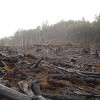
Rio+ 20 Suffers Leadership Void Weeks Ahead of Summit
When a landmark U.N conference on sustainable development kicks off in Brazil mid-June, more than 120 world leaders are expected to participate in the much-ballyhooed talkfest on the future of the global environment.
World Congress Hopes to Enforce Commitments Made at Rio+20
World leaders may face an unexpected challenge come June, when a major global summit on sustainable development will be held in Brazil. Unlike during previous summits, these leaders might have trouble making promises they are unable to keep.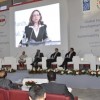
Urgent Need for “New Deal” in Equality and Sustainability
The pressing need for a global "new deal" to foster sustainable development and reduce inequalities was the conclusion of the 2012 Global Human Development Forum, a new initiative by the United Nations, held in Istanbul from Mar. 22-23.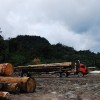
Treat Illegal Logging Like Organised Crime, Urges World Bank
With illegal loggers clearing the equivalent of a football field of the world's most valuable forests every two seconds, local and international law enforcement systems should target the criminal operations that profit most from the trade, according to a new report released here Tuesday by the World Bank.
World Water Forums Expose Large Dams as ‘Unsustainable’
Numerous non-governmental organisations used the World Water Forum (WWF) held in Marseille last week as an opportunity to remind the international community about the serious global impacts of large dams all over the world.
World Wind Power Climbs to New Record In 2011
Wind energy developers installed a record 41,000 megawatts of electricity-generating capacity in 2011, bringing the world total to 238,000 megawatts.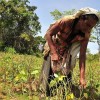
Gender Empowerment Still Lags Far Behind in Global Village
When the United Nations concluded a two-week session highlighting the plight of rural women last week, the meetings singled out both the achievements and shortcomings of the ongoing relentless battle for gender equality in a world still dominated - and overwhelmingly ruled - by men.
Oceans Will Not Survive ‘Business as Usual’
Our oceans face a grim outlook in the coming decades. Ocean acidification, loss of marine biodiversity, climate change, pollution and over-exploitation of resources all point to the urgent need for a new paradigm on caring for the earth’s oceans—"business as usual" is simply not an option anymore, experts say.
U.N. Human Rights Council Exhorted to Defend Peasants’ Rights
Decades after peasants’ networks have advocated for a new legal instrument to protect the rights of small farmers to land, seeds, traditional agricultural knowledge and freedom to determine the prices of their production, the United Nations Human Rights Council (UNHRC) may decide to start drafting a declaration on peasants’ rights next week.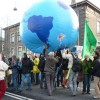
Rio+20 Summit: A Moment That Must Be Seized
The upcoming Rio+20 conference has to be the moment in human history when the nations of the world come together to find ways to ensure the very survival of humanity, many science and environmental experts believe.
U.N. Aims at Major Global Conference on Women in 2015
As the race towards gender equality moves at an exceedingly slow pace, the United Nations is calling for a major international conference on women in 2015 - 20 years after a landmark meeting in Beijing in 1995.
Q&A: How to Analyse a Budget’s Impact on Female Empowerment
Tools such as "gender markers", which screen budgets and resources dedicated to promoting gender equality, are proving critical to improving the effectiveness of monetary support that seeks to empower women and girls.
Following the Money Trail in Gender Financing
Promising methods of tracking aid funding intended to improve women's and girls' livelihoods also offer the possibility of revealing whether donors and policymakers are walking the walk when it comes to gender financing.« Previous Page — Next Page »


The Week with IPS

NEXT STOP - SDGs
Tracking global progress towards a sustainable world
Tracking global progress towards a sustainable world
