Languages
Sunday, September 20, 2026



News and Views from the Global South
Middle East & North Africa

50 Years On: Lebanon’s Civil War, Feminist Peacebuilding, and the Fight Against Silence
 This year marks half a century since the start of Lebanon’s civil war in 1975 - a conflict that lasted 15 years, killed over 150,000 lives, and resulted in as many as 17,000 missing. Decades later, the legacy of that war is still everywhere: in the silence of classrooms without history books, in families who never knew what happened to their missing loved ones, and in violence made mundane in all parts of society.

Is Western Support for Israel Beginning to Crumble?
When the high-level meeting of over 150 world leaders takes place at the United Nations, September 22-30, one of the political highlights would be the announcement by at least 10 Western nations to recognize Palestine as a sovereign nation state. The 10 countries-- some already announcing their recognition ahead of the UN meeting -- include UK, France, Canada, Australia, Portugal, Malta, Belgium, Spain, Ireland and Norway-- proving the longstanding support for Israel is gradually diminishing in the Western world.
UN Mobilizes Amid Cascading Earthquakes in Eastern Afghanistan, Aiming to ‘Build Back Better’
United Nations aid organizations are rallying after a series of earthquakes and powerful aftershocks wreaked unprecedented havoc across eastern Afghanistan—particularly in the mountainous provinces of Kunar and Nangarhar.
‘Israeli Offensive in Gaza City an Existential Threat to the Two-State Solution’
Ahead of the Security Council meeting on the situation in the Middle East, United Nations Secretary-General António Guterres spoke to the press on the “unfolding tragedy that is Gaza,” calling Israel’s new plans to take over Gaza City with the military a “deadly escalation” and an “existential threat to the two-state solution.”
Afghan Journalism Under Siege: Arrests, Censorship, and Collapse
Ahmad Siyar works in road construction in Balkh province. He wears a safety helmet to protect himself from debris constantly falling from the mountain where the road is being built. Once, he wore the same type of helmet for a very different reason. He was reporting from various parts of northern Afghanistan. Back then, his helmet bore the word “Journalist” in both Dari and English.
President Trump: You Must Stop Netanyahu’s Second Genocide in Gaza
President Trump, you are the only leader who can stop Netanyahu from committing another genocide in Gaza. The whole world is watching. Do not allow yourself to become an accessory to the murder of thousands of innocent Palestinian women and children and the utter destruction of what’s left of Gaza
‘The Surge in Executions Shouldn’t Be Mistaken for Strength – It’s a Desperate Act of a Collapsing Dictatorship’
CIVICUS speaks about the Iranian regime’s execution of political prisoners with Safora Sadidi, a human rights activist with the Women’s Committee and Foreign Affairs Committee of the National Council of Resistance of Iran. Safora lost her father and six family members to the theocratic regime, and has dedicated over two decades to the Iranian Resistance’s international efforts.

Aid Funding Crisis Means Parliamentarians’ Visionary Leadership Even More Crucial
As funding for sexual and reproductive health rights was on a “cliff edge,” parliamentarians now needed to play a “visionary” leadership role because “financing strong, resilient health systems for all their people rests with governments,” said Dr. Alvaro Bermejo, Director General of the International Planned Parenthood Federation (IPPF).
IPC Officially Declares Famine; More than Half a Million Starving in Gaza
The Integrated Food Security Phase Classification (IPC) has officially declared that there is famine in Gaza. The world’s biggest food monitoring system raised its classification to Phase 5, the highest level on its food insecurity scale.
Human Rights Watch Warns of Surge in Executions in Saudi Arabia
Human rights groups have expressed alarm over the surge in unprecedented executions in Saudi Arabia in 2025. Humanitarian experts have underscored the Saudi Arabian monarchy’s use of the death penalty to silence peaceful dissent among civilians and impose justice for minor offenses, with little to no due process.
Can the UN Trusteeship Council be an Important Part of the Solution in the Middle East?
Many feel desperation and anger that the genocide of the Palestinians is not being stopped. How can the US, Germany and others continue to pour funds and weapons into Israel despite decisions in the UN's highest bodies indicating complicity in accordance with the Convention against Genocide?
In Gaza, “the Most Ordinary Things Can Kill”
It’s 8am when Nasser Hospital in Gaza opens its doors. Aitor Zabalgogeazkoa, Doctors Without Borders’ emergency coordinator in the besieged territory, has already been at work for more than three hours.
UN Staff Federation Remembers with Sorrow the Many who have Fallen in the Line of Duty
On this World Humanitarian Day, the members of CCISUA Staff Federation honour colleagues who dedicate their lives to protecting people in crisis, and we remember with sorrow the many who have fallen in the line of duty.
Green Jobs on the Rise in the Arab Region
In the Arab region, a thought-to-be oil oasis, green jobs constitute 29 percent of energy sector roles, and 23 percent of the oil and gas sector. These numbers signify a push towards sustainable business and practices, with the Arab region striving to get away from oil, in their advancement towards the completion of the SDGs on time for 2030.
World Leaders Take a Stand as Outrage Against Israel Increases
The world is becoming increasingly outraged at Israel for its actions in the ongoing war against Hamas, particularly amid the recent killings of Palestinian journalists and Israel’s announcement of its plan to seize complete military control of the Gaza Strip.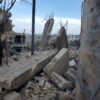
Southern Voices: Grief, Resilience, and Daily Life in Jnoub
"Special, targeted operations in southern Lebanon," a phrase that has echoed repeatedly over the past two years in Israeli Defence Force (IDF) statements. But behind these clinical military terms lies a human cost that statistics cannot capture.
‘Life in Gaza’s Shelters Is Marked by Deprivation – but Also by the Endurance of Human Dignity’
CIVICUS speaks with a West Bank-based Palestinian activist about her family members currently enduring the war in Gaza. She has asked to remain anonymous for security reasons.
The Death of EU Values in Gaza
The EU likes to think of itself as a normative power — a community of values, committed to upholding international law, promoting peace, protecting civilians and building a rules-based global order. These are not just lofty ideals; they are enshrined in EU treaties, declarations and Council conclusions.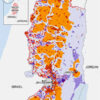
Adesso Basta! Enough Is Enough. Israel’s Ethnic Cleansing
On August the first, the Italian daily La Repubblica published an interview with David Grossman, Israel’s most renown author and supporter of a “two-state solution”, as well as an outspoken critic of Israel's violence against Palestinian civilians.
Aid Denied, Questions Ignored: Israel Keeps Focus on Hostages
At the United Nations media stakeout on Tuesday, Israeli officials kept focus exclusively on the hostages, avoiding questions entirely.
IPC Alert Declares the Worst Famine Conditions in Gaza since October 2023
Amidst the ongoing conflict in Gaza, the risk of famine among rising need of consumption and nutrition have reached their worst levels since the start of the conflict. Without urgent analysis to latest report from the Food Security Classificat “IPC ALERT: Worst-case scenario of Famine unfolding in the Gaza Strip”.« Previous Page — Next Page »


The Week with IPS

NEXT STOP - SDGs
Tracking global progress towards a sustainable world
Tracking global progress towards a sustainable world
