Languages
Wednesday, October 14, 2026



News and Views from the Global South
Brazil
Brazilian Environmental Activists Killed in Shadow of Rio+20
Far from the plush surroundings which hosted Rio+20, the most ambitious global conference on the environment of the past two decades, events in a fishing village in the state of Rio de Janeiro show the cost of fighting environmental crime can be as high as life itself.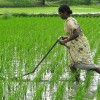
New Set of Sustainable Development Goals Looks Beyond 2015*
When world leaders from over 100 countries wind up their three-day Rio+20 summit in Brazil next week, they will leave behind the shattered remains of a slew of proposals that never got off the ground.
Cilantro Spices Up Coexistence with Drought in Brazil
Many grow lettuce, tomatoes, carrots, beets and other vegetables. But cilantro is ever-present in the gardens that are helping rural families weather the lengthy drought that is once again wracking Brazil’s impoverished Northeast.Brazil and China, Oiling the Wheels of Business
China's voracious demand for energy has prompted it to embrace Brazil as a major oil partner, fuelling the dramatic expansion of Chinese companies in this South American country. But while some see this as a boost to the Brazilian economy, others fear that it poses a risk to this country’s future self-sufficiency.
Belo Monte Dam Hit by Friendly Fire
Those who made the final decision on the design of Brazil’s Belo Monte hydroelectric dam will face legal action in the future for the damages caused. This is the kind of warning one would expect from environmentalists, but in this case it comes from a surprising quarter: staunch supporters of hydropower.
Brazil Drives Energy Integration in South America
Energy integration in South America will be a reality "in the medium to long term," driven by hydropower and drawing on Brazil’s experience, predicts Altino Ventura Filho, secretary of planning in this country’s Ministry of Mines and Energy.
Brazilian Government Sets Guidelines for Success at Rio+20
As the host of Rio+20, the Brazilian government has defined guidelines for achieving success at the upcoming world summit, whose aim is to assess and strengthen what has been done since the 1992 Earth Summit, the first global meeting on sustainable development.
Brazil is a Model for the Rights of Forest Communities
Brazil is one of the most advanced countries in the world when it comes to legally guaranteeing the rights of forest communities and reducing deforestation, says economist Jeffrey Hatcher in this interview.
Conditions for Construction Workers Improving in Brazil
A year after workers' riots that brought work on the Jirau hydroelectric dam to a halt for months and forced the government and companies to engage in national negotiations to improve labour conditions in the construction industry, another strike has caused tension again in the dam construction project in northwest Brazil.
Q&A: No Magic Solutions for the Extinction of Species
The Earth's life support system, which generates the planet's air, water and food, is powered by 8.7 million living species, according to the latest best estimate. We know little about 99 percent of those unique species, except that far too many are rapidly going extinct.
Brazil, Emerging South-South Donor
The Brazilian government is stepping up South-South aid, to strengthen the South American giant’s status as a donor country and its international clout. It now provides assistance to 65 countries, and its financial aid has grown threefold in the last seven years.Latin America, Testing Ground for Chinese Yuan
China is looking to Latin America to experiment with the yuan, or renminbi, to replace the dollar, taking advantage of the growth in Chinese trade and investment in this region. But because the volume is still insignificant, it is not yet clear what impact the currency will have on economies in the region.
BRAZIL: A Curse on Hydropower Projects in the Amazon?
"Perhaps it's the curse of Rondônia," joked Ari Ott, referring to teething troubles with the first turbine of the Santo Antônio hydroelectric plant which was intended to kick off a new cycle of huge power projects in Brazil's Amazon jungle region.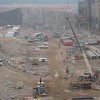
Brazil’s Construction Boom Eases Integration of Haitians
Pierre was in the next-door country of Dominican Republic when the January 2010 earthquake destroyed half of Port-au-Prince and killed at least 200,000 of his fellow Haitians, including his wife and his mother.BRAZIL: Community Radio Flourishes Online
Community radio stations in Brazil are finding the internet and user-friendly information technologies to be valuable allies for their broadcasts, which focus on citizenship, social equity and human rights.
The Dragon Goes Shopping in South America
The small restaurants and shops selling plastic sandals, tacky umbrellas, kitchen wares and paper lanterns in Buenos Aires's Chinatown do not give the impression of impending economic dominance.
SOUTH AMERICA: Mercosur Bloc – More Politics, Better Integration
The leaders of South America's Mercosur trade bloc decided to set up a committee to facilitate the incorporation of new members, adopt a mechanism to defend democracy in case of a coup, and ban vessels from the Malvinas/Falkland Islands from docking in member countries' ports.« Previous Page





The Week with IPS

NEXT STOP - SDGs
Tracking global progress towards a sustainable world
Tracking global progress towards a sustainable world
