Languages
Wednesday, October 14, 2026



News and Views from the Global South
Brazil

Controversy Erupts Over “Corporate Carnival”
A transnational pesticides manufacturer is sponsoring the Vila Isabel samba school, which won the main contest in Rio de Janeiro's carnival this year, raising questions about financing mechanisms for "the greatest show on earth", as carnival is described in Brazil.
Brazilian Ethanol in the Slow Lane to Global Market
Following a promising start, Brazil's dream of positioning ethanol in the global market on an equal standing with petroleum-based fuels is hindered by new and old challenges.
Brazilian President Stumbles on Energy
Brazilian President Dilma Rousseff, whose political career was fuelled by her stellar performance in the energy sector, is now faced with an ironic challenge: how to bring down the unusually high price of electricity predominantly generated by hydropower – the cheapest source – in this South American country of 196.6 million people.
Murder of Landless Workers’ Leader Recalls Brazil’s Dictatorship
The execution-style killing of a leader of the Landless Workers' Movement in a sugarcane plantation in the southeastern Brazilian state of Rio de Janeiro, where bodies of opponents of the dictatorship were incinerated in the 1970s, recalls one of the most tragic chapters in this country's history.Exorcising the Ghosts of Brazil’s Dictatorship
At 8 a.m. on Oct. 25, 1975, Brazilian journalist Vladimir Herzog voluntarily reported to the São Paulo headquarters of the government's intelligence agency and was never seen alive again.
Building Angolan-Brazilian Ties on Infrastructure
Brazil has turned to large infrastructure as a unique way to globally expand its economy and build up its political influence, with the added bonus of furthering the development of small nations. But this strategy is not without its risks.Rio Maps Flood Risk to Avert Annual Disaster
Hoping to prevent the tragedies that have become an annual event every rainy season, authorities in the southeastern Brazilian state of Rio de Janeiro plan to require that municipal governments include environmental risk mapping in their infrastructure projects, in order to prohibit construction in vulnerable areas.
BRICS Invest in National Priorities
A leading South African economist and investment strategist has warned that national priorities may be a more compelling factor influencing business decisions in the BRICS group of countries – Brazil, Russia, India, China and South Africa – than the prospects of increased market access through the alliance.
South Africa-Brazil Trade Partnership Hits Potholes
As the five members of the BRICS group of emerging economies – Brazil, Russia, India, China and South Africa – tighten ranks and seek to expand their global influence, the inevitable trade spats have begun.Fighting for a Future in Rio’s Toughest Neighbourhoods
Teachers at a local primary school here, the Escola Municipal IV Centenário, are trained to help their pupils find cover in case of gun battles.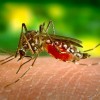
Brazil Measures Rain Against Dengue
Mosquitoes that transmit dengue fever need clean, still water and warm night temperatures to reproduce and thrive. That is common knowledge, but now scientists in Brazil have managed to measure the relation between increased rainfall and temperatures and the risk of dengue epidemics in this city.New Feminism Tears Down Walls in Brazil
Anarkia Boladona has turned the streets of Brazil into billboards against domestic violence. As a self-titled feminist political graffiti artist, she represents a new trend in women’s rights that seeks less academic and more daring and popular avenues of expression.
Brazil’s Economic Model Offers Ray of Hope
As governments struggle to find ways out of the persistent global financial crisis, Brazil’s development model offers an alternative path to recovery and growth, according to some economists and politicians.
Small Rural Businesses in Brazil Set Sights on Domestic Market
"Canjinjin has special powers," said Deize Coelho de Barros. The recipe for this local liquor, made from a mixture of herbs, was handed down from her African ancestors, and is seen as a sort of traditional "Viagra" in her homeland, the western Brazilian state of Mato Grosso.
Antigua Prepares for Consequences of Superstorm Sandy
Tourism-dependent Antigua may have been spared the ravages of superstorm Sandy, but the island is nevertheless feeling its effects on environmental, political and economic fronts.Brazil, Turkey, India, Indonesia Key to U.S.-Backed Global Order
The United States should focus increasingly on courting Brazil, India, Indonesia and Turkey, four “global swing states” critical to the preservation of the Western-dominated international order, according to a new report released here Tuesday by two major U.S. think tanks.
Aluminium Industry Has Its Defenders in Brazil
Aluminium, opposed by environmentalists mainly because of the amount of energy needed to produce it, is one of the targets of the heated campaign against hydroelectric dams in Brazil’s Amazon jungle region.
Brazil Emerging as Key Player at U.N.
When a U.N. member state agrees to hold an international conference in its capital, the host country is not only offered the privilege of chairing the mega meeting but also given pride of place as the keynote opening speaker.
Brazil Frustrated with European “Backtracking” on IMF Reforms
In the aftermath of last week’s elections to the International Monetary Fund (IMF)’s executive board, Brazil and others are expressing frustration that a reforms process aimed at increasing the representation of developing countries is being stymied by European countries.
Small Dams – from Heroes to Villains in Brazil
A recent Brazilian court decision to suspend construction of small hydroelectric dams along the Paraguay River has highlighted the doubts raised about a growing alternative source of energy that until recently was considered one of the most environmentally-friendly sources.
Brazil Launches Campaign to Decriminalise Drug Use
A host of academic, legal, health, political and social figures are joining together to back a campaign to decriminalise drug use in Brazil, as tens of thousands of consumers uninvolved in the drug trade are currently jailed.« Previous Page — Next Page »





The Week with IPS

NEXT STOP - SDGs
Tracking global progress towards a sustainable world
Tracking global progress towards a sustainable world
