Languages
Thursday, September 17, 2026



News and Views from the Global South
City Voices: The Word from the Street
ARTS-CHILE: Shedding Light on the Torturers
"Where Are They?" is the title of an installation by Chilean artist Iván Navarro, prompting visitors to pick out, from a gigantic word search puzzle, the names of 332 agents who tortured and murdered opponents of the 1973-1990 dictatorship of General Augusto Pinochet.
CUBA: Elizabeth and Monica’s Wedding
The veils, gloves, roses and dresses are white. Monica and Elizabeth hold hands and exchange rings on this afternoon in Cuba overflowing with symbolism, tears, laughter and hugs from people who have supported them over the last two years.BRAZIL: Films, Music as Damage Control in Prisons
Cultural activities in Brazilian jails these days include film screenings, live bands and libraries with shelves packed with books - part of an attempt to combat the consequences of the appalling living conditions in prison.CARIBBEAN: Energy Cooperation Sets ‘Example’ for Regional Integration
Cuba and Venezuela are hoping to reinforce their integration strategies at a summit this week through the example of Petrocaribe, a regional energy cooperation agreement that protects less developed countries in the Caribbean from the full impact of today’s soaring oil prices.
CULTURE: The Made in Hong Kong Literary Challenge
Asian writers may not be manning the cultural barricades as their Hollywood counterparts from the Writers Guild do, but they face an equally daunting foe - the capricious and formidable monopoly of English-language publishing.COLOMBIA: Fighting Human Rights Abuses and Violence in Ciudad Bolivar
Human rights violations are still a major problem in Ciudad Bolívar, a poor suburb in the hills on the southwestern edge of the Colombian capital, despite some improvements.CHILE: Pots and Pans Against Climate Change
The vegetarian restaurant El Huerto, here in the Chilean capital, is the country's first to take steps towards reducing its production of climate-changing emissions.CUBA: Film Frenzy
María Martínez and her husband go home every evening after participating in a ritual that is repeated every December, when the Cuban capital hosts the New Latin American Film Festival, an audiovisual feast that revolutionises the city’s routine for two weeks every year.GUATEMALA: Homicide Rate – From Bad to Worse
The poorest parts of Guatemala, rural areas mainly inhabited by indigenous people, have lower violent crime rates than the rest of the country, according to the United Nations Development Programme (UNDP), which warns in a new report that the murder rate - one of the highest in the region - has climbed steadily since 1999.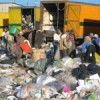
RIGHTS: For Some, Childhood Is Rubbish
"When I thought of my future, I saw my whole life picking through this rubbish dump," says 20-year-old Julia Castillo. "I never thought I'd get away."RIGHTS-CHILE: Workers’ Massacre More Relevant Than Ever 100 Years On
Dec. 21 will be the 100th anniversary of a massacre of thousands of striking workers of the then-flourishing saltpetre industry in northern Chile, carried out by military troops on the order of the government, an event known as the massacre of the Santa María de Iquique school.
RIGHTS-US: Made Homeless by Katrina, Now Gov’t Bulldozers
Low-income residents of New Orleans are frantically struggling to secure the right to return to their homes before the U.S. Department of Housing and Urban Development (HUD) begins demolishing thousands of public housing units next week.RIGHTS-CUBA: Incident Could Hurt Relations With Catholic Church
A police raid on a church in the eastern city of Santiago de Cuba to arrest a group of dissidents was called "a deplorable incident" by a member of the ecclesiastical hierarchy, who said it could harm the good relationship between the Catholic Church and the Cuban government.BRAZIL: Modelling Change in the Favelas
When police in Brazil discovered an enormous detailed scale model of the Pereirão favela, they were going to destroy it because they thought it was part of a drug trafficking gang’s plan to invade a nearby neighbourhood. Ten years later, portions of the miniature reproduction built by children have travelled around the world to art exhibits and festivals.CHINA: Hong Kong-Shenzhen Megalopolis Unstoppable
China’s hopes that its booming southern hubs of Shenzhen and Hong Kong can merge to form a new megalopolis are facing fresh challenges after the victory of the pro-democracy camp in the Dec. 2 by-elections in the former British colony.POLITICS-US: Peace Group Barred From Florida Schools
Public school districts in two Florida counties are refusing to allow members of a peace organisation to counter the presence of military recruiters by talking with high school students about options other than joining the service, according to a spokesperson for the group.FILM-ARGENTINA: Local Characters Get All the Parts
"I’d like to be offered the role of a madwoman some day, or of a vicious person, just out of curiosity, because I’m really not like that at all," says Carmen Drive, a 56-year-old Argentine homemaker who has already acted in 18 movies without ever having set foot outside her home town, population 30,000.FRANCE: Troubled Suburbs Erupt Again
The police station is a smouldering abandoned ruin, its roof gone, its walls charred black, and tiles scattered about its courtyard. From behind its locked gates the pungent stench of burned wood and plastic is carried on the wind into the street.SOUTH AMERICA: In Street Football, Playing Is Winning
Football can cause excitement and euphoria, or anger and even aggression, but the Second South American Street Football Championship taking place this week in the Paraguayan capital puts the emphasis on solidarity, fair play and social participation.WORLD AIDS DAY-CUBA: Volunteers on the Front Line of Prevention
While scientists devote their best efforts to developing an AIDS vaccine, prevention continues to be the most effective way of containing the pandemic which has already caused the deaths of 2.1 million people this year, and new infections in another 2.5 million people.INDONESIA: Providing Clean Water or Dirty Business?
Water vendor Annur Sukarya makes a 500 percent profit on his investments each month, the envy of any businessman. "I’m just trying to help my neighbours," he argues.« Previous Page — Next Page »


The Week with IPS

NEXT STOP - SDGs
Tracking global progress towards a sustainable world
Tracking global progress towards a sustainable world
