Languages
Thursday, October 8, 2026



News and Views from the Global South
Climate Justice

Waves of Change: From the Glittering Shores of Nice to Struggling Seaweed Farmers in Zanzibar
The late afternoon sun sparkles on the waters of the French Riviera as yachts dock at the Port of Nice with mechanical grace. A tram glides past palm-lined boulevards, where joggers, drenched in sweat, huff past leisurely strollers and sunbathers. Just beside the promenade, a crowd gathers around a young girl. With braided hair bouncing in rhythm, she belts out Beyoncé’s Halo with stunning precision. Her bare feet dance on the cobblestones, her voice echoing against the pastel façades.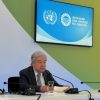
‘Ocean Health Is Inseparable From Human Health, Climate Stability’—UN Chief Urges Swift Action, Partnership for Ocean Conference
“When we poison the ocean, we poison ourselves,” UN Secretary-General António Guterres told reporters on the second day of the UN Ocean Conference (UNOC3).
UNOC3: World Leaders Recognize Urgent Need for Ocean Action
The world has converged along the Mediterranean Sea to affirm their commitments to the sustainable use and protection of the ocean.
Oceans at Risk: Report Warns Global Fossil Fuel Expansion Threatens Marine Biodiversity
A newly released report by Earth Insight in collaboration with 16 environmental organizations has sounded a global alarm on the unchecked expansion of offshore oil and gas projects into some of the most biologically rich and ecologically sensitive marine environments on the planet.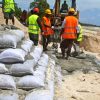
South-West Pacific Communities Threatened by Ocean Heat, Sea-Level Rise
The South-West Pacific experienced unprecedented warming in 2024, according to a World Meteorological Organization (WMO) report released today (June 5)—threatening islands in a region where half the population lives close to the coast.
Climate Justice: Island Resilience

In a world where headlines warn of rising seas, dying reefs, and vanishing species, it’s easy to think the story ends in loss. But what if the frontlines of climate change were also frontiers of hope?

Can These Prehistoric Sea Creatures Survive Climate Change?
In November, tens of thousands of male olive ridley sea turtles (Lepidochelys olivacea) start congregating on just five kilometers of nearshore in Odisha in eastern India. They wait for the females of the species to arrive. The survival of these prehistoric sea species has largely depended on suitable pairing and mating. However, research findings from around the world indicate that, in the long term, there may be a limited number of males at these mating sites compared to an overwhelming number of females.
UNOC3: Bringing Ocean Education and Science to the Global Agenda
A greater understanding and appreciation of the world’s oceans is needed to protect them. As the global community prepares to convene for the ocean conference, they must also prepare to invest in scientific efforts and education that will bolster their joint efforts.
Global Push to Protect Oceans Gains Momentum Ahead of UN Conference in Nice
As delegates prepare for the third United Nations Ocean Conference (UNOC) in Nice, France, momentum is building around ocean governance, finance for marine conservation, and an urgent shift toward a regenerative blue economy. Ocean advocates say the world is at a critical juncture—and the next few weeks could shape the future of marine protection for decades.
Explainer: How Germs Outsmart Antimicrobials and Why It’s Making Us Sicker
More people are dying from once treatable infections because the medicines we rely on are no longer working as they should. The culprit? A growing health threat called antimicrobial resistance (AMR).
Explainer: What Rural Communities in Tanzania Need to Know about Carbon Trading and Land Rights
As global demand for carbon credits rises, Tanzania has become a magnet for carbon offset projects. From Loliondo in Arusha to Kiteto in Manyara, foreign firms and conservation groups are looking for land to capture carbon and sell credits to polluting industries in the Global North. The growing interest in carbon trading has sparked hope, confusion, and concern— putting millions of hectares of village land and the livelihoods of people who depend on it at risk.
How Mangroves Save Lives, Livelihoods of Bangladesh Coastal Communities
Golenur Begum has faced 12 cyclones in her life. As a child, she witnessed her father’s house destroyed, and as an adult, she watched her home smashed. Saltwater brought by the tidal surges that accompanied the cyclones wrecked their farms and livelihoods. And with climate change, these impacts are becoming more intense and frequent.
Rampant Tourism, Climate Change Threatens Varkala’s Unique Geodiversity
From the top of the cliff, the beach down below appears like a box of sand, with people scattered on it like tiny ants. This is Varkala, arguably the most sought-after coastal tourism spot in Kerala, India, right now. The Varkala cliff—spanning across Edava Cliff, North Cliff, and South Cliff—is 7.5 km long and has a maximum height of 40 m. Religious rituals take place at the part of Papanasam beach that divides the North and South Cliffs.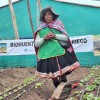
Andean Women Farmers in Peru Face Climate Crisis with Green Practices
"Up here in the highlands, there’s a lot of frost, and everything seems bleak. But I’m so happy since I got my greenhouse and started growing vegetables in a healthy way. I feel like we’re overcoming the challenges of the weather," Anacleta Mamani, a Quechua farmer from the community of Poques (about an hour’s drive from Cusco, the former imperial capital of Peru), told IPS.
The Ocean Creeps In: Tanzanian Coastal Communities Fight a Losing Battle
The first time Jumanne Waziri tasted salt in his morning tea, he thought his wife had made a mistake. “Why did you put salt instead of sugar?” he asked, setting his cup down in their home in Ununio, a quiet suburb north of Dar es Salaam.
Award Winning Women Goat Herders in Chile Confront Climate Change
Women goat herders in the municipality of Ovalle, in northern Chile, are confronting climate change by defending their heritage through improvements in the quality and variety of their products, which has led some to win international awards for their cheeses.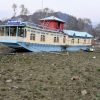
Not Seen in Living Memory: Kashmir’s Rivers Run Dry, Snow Disappears, and Hope Dissipates
The picturesque Kashmir Valley is battling nature’s fury. This time of year, its majestic mountains would typically be capped with thick snow, and its emerald streams would gush with fresh waters. However, none of these scenes are visible this year.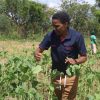
Blamed for ‘Causing’ Droughts: Zimbabwe’s LGBTQI Community Faces Climate Crisis Head-on
Takudzwa Saruwaka is hoeing weeds in a cowpea field in eastern Zimbabwe one morning in February, trying to beat torrential rains threatening from the gray clouds above.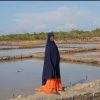
Pemba’s Woman Salt Farmers Forge Livelihoods Amid Climate Woes
As the cool morning breeze sweeps across the Indian Ocean beach in Tanzania’s Pemba archipelago, Salma Mahmoud Ali begins her day. With her brightly coloured Kikoi cinched tightly around her waist and a dark blue scarf framing her face, she walks barefoot toward her salt ponds. The humid air hangs, but Ali wades through ankle-deep water with courage.
Who Will Save Nigeria’s Coastal City on the Brink of Extinction?
In 2021, Ojajuni Olufunsho, a 53-year-old resident of Ayetoro, a town along the Atlantic coast, southwestern Nigeria, saw her home swept away by the encroaching sea. What was once a spacious 10-room house, a sanctuary for Olufunsho and her five children, was swallowed by the relentless force of rising sea waters.
‘We Will Not Go Quietly Into the Rising Sea,’ Tuvalu Tells International Court of Justice
Rising sea level caused by greenhouse gas emission-fueled climate change is threatening existence in coastal communities and island nations. At the International Court of Justice (ICJ), on Thursday, December 12, 2024, small island states, including Tuvalu and a Pacific-based fisheries agency detailed their ongoing existential threats caused by the climate change-induced sea level rise and impacts on fishery-based livelihood.« Previous Page — Next Page »





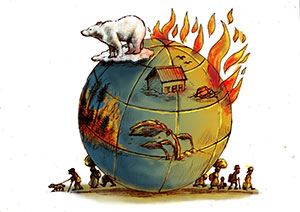
Climate justice, the act of ensuring that equity and human rights of communities and countries, especially those whose impacts from climate change are acute, are considered in decision-making and action, is at the forefront of IPS’ climate justice project.
The features, interviews, and opinion editorials published in this project are supported by the Open Society Foundations (OSF).

The Week with IPS

NEXT STOP - SDGs
Tracking global progress towards a sustainable world
Tracking global progress towards a sustainable world
