Languages
Saturday, October 17, 2026



News and Views from the Global South
Commodities

TECHNOLOGY: Rare Metals Could Trigger Next Trade War
Used in electric car motors and wind turbines, neodymium, a "rare earth metal," is at the epicentre of the race between wealthy and emerging nations to create green technologies, while poorer countries appear to be relegated to spectator status.AGRICULTURE-ARGENTINA: Yearning for the Days of Plenty
Argentina’s grain harvest, which grew steadily over the last five years, fell by 30 percent this growing season due to the worst drought in a century, a reduction in the area sown, and meagre investment in technology to improve yields.ECONOMY: Coffee Weathering the Crisis
Former Costa Rican president Rodrigo Carazo (1978-1982) said that at times of global recession, economies like that of his country, dependent on what he called "dessert" exports - like bananas or coffee - would be hit the hardest because they are among the first products people stop buying when money gets tight.MINING-AFRICA: Help Yourself, There's Plenty
The African continent is rich in natural resources; but the terms under which multinational companies exploit these resources mean that governments - and Africa’s people - enjoy only a tiny fraction of the benefits.AGRICULTURE-ARGENTINA: Worst Drought in 100 Years
Severe drought, which is many parts of Argentina is considered the worst in 100 years, has hit the country’s most agriculturally productive region and is expected to cause a sharp decline in grain and meat output.LABOUR-SRI LANKA: Gloomy Prospects in 2009
If the global financial crisis slams the brakes on worker remittances from the Middle East, Sri Lanka’s top foreign exchange earner, it could severely exacerbate this country’s economic woes, analysts say.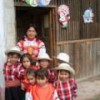
PERU: Coffee Growers Cultivate Education
"Without coffee there is no future," say coffee growers in the Selva Alta, in the central Peruvian region of Junín, where they are setting up schools near their farms so that their children don't abandon their studies.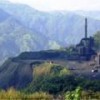
MEXICO: Manganese Mines Harm Children’s Mental Development
The Mexican mining company Autlán maintains that there is no evidence that manganese causes any harm to human health. But in the central state of Hidalgo, where the metal is mined, adults shake as if they suffered from Parkinson's disease and children's mental development lags behind normal.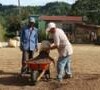
DOMINICAN REPUBLIC: A Place for Eco-Coffee
Communities in 10 southern provinces of the Dominican Republic are feeling the benefits from the collective activities of small growers of organic coffee. Women participate in the production and sale of the coffee, and their sons and daughters are pursuing studies in order to improve the sector's productivity.
DEVELOPMENT: 40 Million More Go Hungry
Rising prices have plunged an additional 40 million people below the hunger threshold this year, a new FAO report says.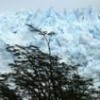
ARGENTINA: Frustration Over Veto of Glacier Protection Law
The decision by the administration of Cristina Fernández to veto a law to protect Argentina's glaciers - important reserves of freshwater - has caused deep concern among scientists and environmentalists who participated in writing the legislation.BRAZIL: Speculative Prices Block Land Reform
Rising land prices in Brazil, driven up by the boom in investment in rural property and the expansion of biofuels, are hindering agrarian reform, says João Pedro Stédile, an activist with the international peasant movement Via Campesina.ARGENTINA: Newspaper Brings to Light Abuses against Poor Farmers
Small farmers in the northern Argentine province of Santiago del Estero are publishing their own newspaper in an attempt to raise awareness about the constant abuses they suffer at the hands of wealthy landowners, who are encroaching on their small plots of land.
ENVIRONMENT: Costa Rica at a Crossroads
The Crucitas open-pit gold mining project in northern Costa Rica could become an environmental cross to bear for the government of Óscar Arias.VIETNAM: Good Harvests Don’t Bring Good Sales
Farmers in the Mekong Delta, who produce most of the rice responsible for making this country a top exporter of the staple, are unable to negotiate good prices for their produce.PARAGUAY: The Struggle for Land
The government of Paraguayan President Fernando Lugo is facing its first big challenge: providing solutions for the age-old dispute over land ownership between peasant farmers, large landholders and Brazilian settlers.BRAZIL: Hunger Beats a Steady Retreat
Brazil is winning its battle against hunger thanks to a comprehensive package of food security legislation, institutions and new concepts, in addition to programmes geared towards stimulating more balanced economic growth.
ENVIRONMENT: Global Financial Crisis a Bad Sign for Andean Biodiversity
The crisis affecting the financial sector and stock markets around the world could fuel the expansion of extractive industries in South America's Andean region, warn experts.WORLD FOOD DAY-LATAM: Learning Lessons
"We can’t wait for crises to happen to start guaranteeing the right to food. We have to act before a crisis hits," José Graziano da Silva, Food and Agriculture Organisation (FAO) regional representative for Latin America and the Caribbean, told IPS.EL SALVADOR: Increase in Poverty Driven by Soaring Food Prices
In the village of Talchiga in northeastern El Salvador, 20 families live in wooden shacks with earth floors, have no piped water, electricity or sewer services, and suffer from high levels of malnutrition.TRADE-LATAM: Saved by Diversification
South America’s tendency towards trade diversification over the past few years may spare the region the worst repercussions from the U.S. financial crisis, unlike Mexico, which will definitely feel the effects, as its northern neighbour absorbs a majority of its exports, say experts.« Previous Page — Next Page »





The Week with IPS

NEXT STOP - SDGs
Tracking global progress towards a sustainable world
Tracking global progress towards a sustainable world
