Languages
Wednesday, October 14, 2026



News and Views from the Global South
Intergovernmental Science-Policy Platform on Biodiversity and Ecosystem Services (IPBES)
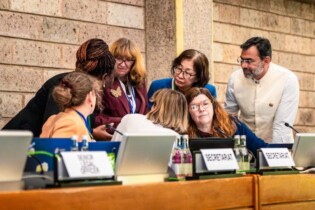
Nairobi Biodiversity Talks Set the Stage for Key COP17 Decisions
Despite record participation in global biodiversity reporting and planning processes, countries remain off track to meet the world's 2030 biodiversity goals, according to discussions that concluded this month at two key meetings under the Convention on Biological Diversity (CBD).
From Pledges to Proof: UN Biodiversity Meeting Begins First Global Review of Nature Action
Governments convened in Rome on Monday (February 16) for a critical round of UN biodiversity negotiations, launching the world’s first global review of how countries are acting to protect nature.
Focus on Africa: IPBES Plenary Session Makes Inaugural Visit to Biodiverse Continent
The Intergovernmental Science-Policy Platform on Biodiversity and Ecosystem Services’ (IPBES) first Plenary session in Africa is a “crucial acknowledgement of Africa’s important contribution to biodiversity conservation, which is a global public good, a heritage that Africa has the privilege to share with the peoples of the world,” says Dr. Luthando Dziba, from South Africa, co-chair of the IPBES Multidisciplinary Expert Panel.
By Choosing What We Eat, We Choose the World We Want To Live In
“How we prepare and eat food should not be at the expense of our biodiversity,” says 3-Michelin-starred chef Mauro Colagreco, who is on a mission to change our relationship with food and what we choose to eat. Colagreco, the owner of Mirazur, an award-winning restaurant in Menton, France, is a tribute to gastronomy. Among other world rankings, Mirazur's fine food and service have earned it first place in the World's 50 Best Restaurants. In the 2020 edition of the "100 Chefs" world ranking, Colagreco's peers named him the Best Chef in the World and Chef of the Year in 2019.
Harnessing Science-Policy Collaboration: The Vital Role of IPBES Stakeholders in Achieving Global Nature Targets
In December 2022, the fifteenth meeting of the Conference of the Parties to the Convention on Biological Diversity (CBD) saw governments worldwide unite behind a set of ambitious targets aimed at addressing biodiversity loss and restoring natural ecosystems, through the Global Biodiversity Framework – known now as the Biodiversity Plan.
Scientist with a Passion for Ocean Protection Elected IPBES Chair
David Obura always knew that his life’s work would involve the natural world. As a child with a love of nature, he always knew he would become an ecologist. Growing up in Nairobi, Kenya, he recalls fondly that his mother would take the family camping at national parks. With these excursions came opportunities for hiking, mountain climbing, and exploration. The family events also took him to one of the earth’s greatest wonders - the sea.
Invasive Species, Fast-Riding Horsemen Galloping the Biodiversity Apocalypse
Mango farmer Eufria Nyadome used to earn USD 60 from selling a 20-litre bucket of fresh mangoes and now can barely make USD 20 even though her mango trees are giving a good yield. She is throwing away buckets of rotten mangoes.
IPBES’ Third Season of Hit Podcast ‘Nature Insights – Speed Dating with the Future’ Takes Listeners Inside Humanity’s Relationship With Nature
If you’ve ever heard that 1 million species are at risk of extinction and wondered what that means for you, your family, and your future – there’s a podcast you won’t want to miss.
Citizen Science Is Key in Helping to Tackle the Threat of Invasive Alien Species
Nature is declining rapidly, and the rate of species extinction is accelerating. The Global Assessment Report of the Intergovernmental Science Policy Platform on Biodiversity and Ecosystem Services (IPBES) (2019) revealed that one million species are at risk of extinction. Invasive alien species, alongside climate change, changing use of sea and land, direct exploitation of organisms and pollution, are all major causes of the unprecedented and ongoing declines in biodiversity and ultimately the nature crisis that we are facing now.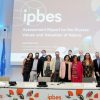
Narrow Valuation of Nature is Widening Biodiversity Loss
Nature has diverse values for different people, but it is poorly evaluated, and this is driving the global biodiversity crisis, top scientists say in a new report.
UN Scientists: Climate Change and Biodiversity Loss. Two Parts. One Problem.
Earth is in the throes of multiple environmental crises, with climate change and the loss of biodiversity the most pressing. The urgency to confront the two challenges has been marked by policies that tackle the issues separately. Now, a report by a team of scientists has warned that success on either front is hinged on a combined approach to the dual crises.
We Need Nature and Biodiversity if We Want a Sustainable Future
“Investing in nature is investing in a sustainable future,” was one of the key messages from yesterday’s first-ever United Nations Summit on Biodiversity where world leaders and experts agreed on the urgency to act swiftly to preserve biodiversity globally.
Ensuring Biodiversity Now will Prevent Pandemics Later
A future repetition of the current COVID-19 pandemic is preventable with massive cooperation on international and local levels and by ensuring biological diversity preservation around the world, experts recently said.





The Week with IPS

NEXT STOP - SDGs
Tracking global progress towards a sustainable world
Tracking global progress towards a sustainable world
