Languages
Saturday, November 7, 2026



News and Views from the Global South
IPS UN Bureau Report
Overlapping Crises Hinder Global Social Development and Poverty Reduction
Social development in a global context shows the risk of trending downwards and not recovering if countries do not minimize the long-term impacts of multiple crises and work towards building up their resilience. As much as this will require national political will, it will also need global cooperation for it to be possible.
A Pact for the World’s Poorest
Last month, world leaders gathered at the time of the UN General Assembly in New York and agreed on a pioneering Pact for the Future. This global accord has implications across a broad range of issues that affect every country. It offers much hope for the poorest and most vulnerable countries on the planet, known as Least Developed Countries (LDCs).
Attacks on Aid Personnel in Lebanon Impede Relief Efforts
In the midst of Israel’s ground incursion of southern Lebanon, frequent airstrikes have demolished civilian infrastructure, which is only contributing to the increasing rates of civilian casualties and displacement. Humanitarian organizations fear that conditions in Lebanon will soon resemble those of Gaza if a ceasefire isn’t reached soon.
What is the World’s Most “Demanding and Impossible Job”?
When Dr Gamani Corea, a former Secretary-General of the Geneva-based UN Conference on Trade and Development (UNCTAD) was holding court in the delegate's lounge, I asked him what he thought of the bitter dispute between then Secretary-General (SG) Boutros Boutros-Ghali (1992-1996) and the United States over the Egyptian's determination to win re-election for a second term.
Race to Close Global Climate Finance Gaps Amid Escalating Climate Risks
The impact of climate change continues to devastate economies worldwide, creating a pressing need for all countries to significantly increase international climate finance. To drive critical action towards reduced climate risks and sustainable economic growth calls for expanded access to affordable, predictable finance at scale.
Sustainable Food Production is Imperative for a Healthy Planet
Food waste has been a pressing concern for environmentalists and humanitarians for decades. The Food and Agriculture Organization (FAO) estimates that approximately one third of all global food products end up in landfills, equating to roughly 1.3 billion metric tons. Conversely, according to the Asia-Pacific Economic Cooperation (APEC), about 3 billion people lack access to nutritious or sufficient amounts of food that will sustain a healthy diet. Additionally, food waste has been a leading factor in environmental degradation since the start of the industrial revolution, with food in landfills releasing millions of metric tons of carbon emissions into the atmosphere yearly.
Kenya’s Mung Bean Legislation Debate Underscores Farmers’ Vulnerability
Kenyan farmers have faced a turbulent year, caught between legislative changes and a devastating scandal. While the country's Mung Bean Bill, aiming to regulate the lucrative mung bean industry, has moved to mediation, farmers are battling the fallout from the widespread distribution of counterfeit fertilizers that have jeopardized their crop yields and livelihoods.
The Health of Gaza is Dependent on Humanitarian Pause
The next round of the polio vaccination campaign in Gaza, a major undertaking for health partners, began on October 14, as continuous attacks and strains whittle down the healthcare and humanitarian systems.
A Staggering 2.0 Billion Women Live With No Access to Social Protection
The growing gender gap between men and women is reflected not only in the world’s highest political hierarchies but also in the daily social and economic lives—with most women fighting a losing battle against poverty. The latest flagship report from UN Women reveals a widening gender gap in social protection -– the raft of policies, including cash benefits, unemployment protection, pensions and healthcare – which leaves women and girls more vulnerable to poverty.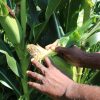
World Told Act Now or Face 136 Years of Hunger, Report Warns
High levels of hunger will continue for another 136 years in many developing countries, according to a new report assessing global hunger.
Continued Airstrikes Threaten Civilians and Aid Workers in Lebanon
As Israel continues its siege on the southern borders of Lebanon, concerns among humanitarian organizations grow as the frequency of attacks rise. Lebanon’s Ministry of Public Health reports that approximately 2,169 people have been killed and over 10,212 have been injured in the past year. Humanitarian Coordinator for Lebanon, Imran Riza, has described this conflict as one of the deadliest in recent memory.
Child Exploitation on the Internet Threatens the Next Generation
On October 11, the United Nations (UN) and its affiliated organizations hosted a conference discussing the increasingly dangerous and exploitative environment that plagues the internet and what can be done to protect children from being exposed to it. Speakers at this conference detailed the developing technologies that threaten children, such as Artificial Intelligence (AI), which often facilitates sexual abuse, exploitation, and human trafficking. In a world that is centered around digitization and innovation, it is crucial to keep the internet a safe space for the most vulnerable population, children.
UN Goal to End World-Wide Hunger by 2030 is Destined to Miss the Target
A landmark report released last July by five UN agencies— the World Health Organization (WHO), the Food and Agriculture Organization (FAO), the International Fund for Agricultural Development (IFAD), the World Food Programme (WFP) and the UN children’s agency UNICEF—outlined the setbacks in fighting global hunger and warned that the world has fallen behind by more than 15 years in its relentless battle against food scarcities, with levels of undernourishment comparable to those in 2008-2009.
Building Water Security for the Next Generation in the Pacific Territories
The Pacific Islands region is both the frontline of the wrath that climate change is lashing on the environment and human life and the drive for innovation and solutions to stem the destruction and strengthen island environments for the future. The survival of life, even nations, in the Pacific depends on it.
Guterres Congratulates Nihon Hidankyo For Nobel Prize For Efforts To Rid Humanity of Nuclear Weapons
The United Nations Secretary General António Guterres congratulated grassroots Japanese organization Nihon Hidankyo on being awarded the 2024 Nobel Peace Prize.
IPBES Calls for Holistic Solutions, Transformative Change in Tackling Biodiversity Loss
A holistic approach and transformative change of systems are needed to tackle biodiversity loss and to put the world on a sustainable path, an assessment by the Intergovernmental Science-Policy Platform on Biodiversity and Ecosystem Services (IPBES) has recommended. The world is facing an interconnected crisis of unprecedented biodiversity loss, food insecurity, and environmental degradation that can no longer be tackled through fragmented and piecemeal solutions, a forthcoming assessment by IPBES will show, calling for holistic approaches instead.
Afghan Girls Share Their Despair and Visions for the Future Under Taliban Rule
In line with the 2024 International Day of the Girl theme, ‘Girls’ vision for the future’, a dozen Afghan girls speak up to express their hardships and resilience. They also share their visions for the future.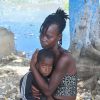
Haitians Blame Government After Massacre in Pont-Sondé
Last week, on October 3, a violent gang attack on the residents in the central Haitian city Pont-Sondé resulted in 115 deaths and spread fear among communities. This attack was described as one of the deadliest massacres in recent history in Haiti. Pervasive gang violence threatens to destabilize Haiti as the environment grows more dangerous by the day.
In Zimbabwe’s Rural Areas, Bicycles Keep Girls in School
Rejoice Muzamani is studying in preparation for her next paper during the end-of-term examinations at Mwenje Primary School in Chiredzi, southeast Zimbabwe. The 13-year-old girl, who is in Grade 7 or final year of primary school, is not worried about leaving school early to make the 7-kilometer journey back home before dusk, risking attacks from wild animals.
With Climate Change, Government Apathy, Who Should Kerala’s Fishworkers Turn To?
Every morning before dawn, fishworkers along the shores of Kochi, Kerala, head out to sea, casting their nets in the shadow of the iconic Cheenavala—the Chinese fishing nets that have become a symbol of their community. I witnessed this time-honored tradition, once a reliable means of survival, now a daily gamble, a fight against unpredictable seas and shrinking fish populations.
Pakistan’s Digital Censorship—The Real Cost of Internet Disruptions
Over the past few months, Pakistan has been grappling with a persistent and disruptive internet slowdown, leaving millions of citizens frustrated.« Previous Page — Next Page »





The Week with IPS

NEXT STOP - SDGs
Tracking global progress towards a sustainable world
Tracking global progress towards a sustainable world
