Languages
Wednesday, October 7, 2026



News and Views from the Global South
Iran

Report Calls to Engage Iran’s People While Preventing Nuke
The U.S. should not only focus on the short-term goal of “suspending or delaying” Iran’s alleged quest for a nuclear weapons capability, but also on “curtailing Iran’s other worrisome activities in the region while encouraging - or at least, not derailing - a better relationship with the citizens of the pivotal state,” according to a report released Thursday by the Washington-based Atlantic Council.BOOKS: Afpak Insider Dissects Obama’s Policy Missteps
Publication this month of Vali Nasr’s "The Dispensable Nation: American Foreign Policy in Retreat" is well-timed.
P5+1 Coalition Fraying on Eve of Second Almaty Talks with Iran
On the eve of its second round of talks with Iran on curbing its nuclear programme in Almaty, Kazakhstan, the so-called P5+1 (U.S., Britain, France, China, and Russia plus Germany) is showing signs of growing disunity, according to the European Union’s former top foreign policy official.Iranian People Caught in Crossfire of Dueling Messages
Since Barack Obama became president of the United States, messages marking the Iranian New Year – Norouz - celebrated at the onset of spring have become yearly affairs. So have responses given by Iran’s Leader Ayatollah Ali Khamenei from the city of Mashhad where he makes a yearly pilgrimage to visit the shrine of Shi’i Islam’s eighth imam, Imam Reza.
Iran’s Nuclear Activities Go On Despite Sanctions
While the U.S.-led sanctions regime on Iran has produced substantial economic hardship, analysts here are increasingly pointing out that Tehran’s controversial nuclear activities have continued unabated.
Low Expectations Colour Obama’s Israel Trip
With Barack Obama set to travel on his first trip to Israel as president, expectations for a major breakthrough on the long-stalled Israeli-Palestinian “peace process” are low to nonexistent.Pak-Iran Pipeline Carries Energy and Defiance
After almost two decades of non-stop negotiations, and two years of intense U.S. opposition, the much-delayed and controversial 7.5 billion dollar Iran-Pakistan pipeline is well on its track to full operation in the next 15 months.
Tehran Mulls Almaty II Amid Hopes for More Give and Take
The meeting between Iran and the so-called P5+1 (five permanent members of the U.N. Security Council plus Germany) that took place in late February in Almaty, Kazakhstan was described as positive and even a "turning point" by Iran's chief nuclear negotiator, Saeed Jalili.Intrigue Surrounds U.S. Arrest of Iran-based Bin Laden Son-in-Law
While U.S. politicians Friday debated whether Sulaiman Abu Ghaith, a son-in-law of Osama bin Laden and former Al-Qaeda spokesman, should be tried in New York City, foreign policy analysts were speculating about the circumstances under which he was apprehended by U.S. authorities.Poll Finds Mounting Hostility Among Arabs towards Iran
A poll released Tuesday shows a stark decline in favourability among Arab and Muslim citizens regarding the Iranian government and its policies.For Iran and Pakistan, Energy Trumps Enmity
Iran appears to be putting its immediate economic and strategic needs ahead of religious solidarity as it seeks to promote ties with neighbouring Pakistan.Argentina’s Deal with Iran Could Carry Political Price
Despite the government's insistence that the purpose of the agreement struck with Iran is merely to investigate the 1994 bombing of the Jewish institution AMIA, as the Argentine parliament voted its ratification, discussions focused on geopolitics and the country's position in the changing international scenario.Ahead of March Iran Talks, U.S. Urged to Back Possible Israeli Strike
In the same week that talks between Iran and the P5+1 (the five permanent members of the U.N. Security Council plus Germany) concluded in Kazakhstan with rare positive Iranian feedback, a joint resolution declaring U.S. support for Israel in the event of an Israeli military strike on Iran's nuclear programme was brought before Congress.
Former Hostages Call for Broadened Dialogue with Iran
On the eve of resumed talks between Iran and the P5+1 (the U.S., Britain, France, Russia, China plus Germany) in Almaty, Kazakhstan over its nuclear programme, two former hostages of the U.S. embassy takeover in Tehran argued that the aura of mistrust that has dogged relations for decades must be addressed.Former Insiders Criticise Iran Policy as U.S. Hegemony
"Going to Tehran" arguably represents the most important work on the subject of U.S.-Iran relations to be published thus far.Argentina Strikes Deal with Iran to Probe AMIA Bombing Suspects
An agreement between Argentina and Iran to dig deeper into a 1994 bomb attack on a Jewish community centre in this city will test the solidity of the evidence garnered by a judicial investigation that has ground to a halt because of lack of cooperation from Tehran.
Despite Right-Wing Opposition, Hagel Looks Set for Confirmation
Despite an appeal Thursday by 15 right-wing Republican senators for President Barack Obama to withdraw the nomination of Chuck Hagel as his next defence secretary, the former Republican senator from Nebraska appears virtually certain to be confirmed as Pentagon chief by the full Senate next week.Saudi Arabia Seen Unlikely to Seek Nukes If Iran Gets One
Challenging what has become conventional wisdom here, a new report released here Tuesday by an influential think tank argues that Iran’s neighbours - Saudi Arabia in particular - are unlikely to pursue nuclear weapons if Iran obtains one.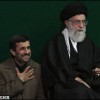
Khamenei Looks Off-Balance After Dramatic Week
Last week’s dramatic and very public display of deep fissures among the leading politicians of Iran has left many here wondering if the conflict will escalate into an all-out war among various political factions in the run-up to the presidential election in June.
OP-ED: Succeed or Fail? What Obama Must Do in the Middle East
Every U.S. president since Harry Truman has sought to disentangle the United States from the Middle East, and all have been sucked back into the region and its problems.Few Hopes for Iran Breakthrough
Despite an agreement between Iran and the five permanent members of the U.N. Security Council plus Germany (P5+1) to resume long-delayed talks about Tehran’s nuclear programme in Kazakhstan at the end of this month, few observers here believe that any breakthrough is in the offing.« Previous Page — Next Page »





The Week with IPS

NEXT STOP - SDGs
Tracking global progress towards a sustainable world
Tracking global progress towards a sustainable world
