Languages
Thursday, November 19, 2026



News and Views from the Global South
Politics
LATIN AMERICA: Canada Moves to Oversee Mining Firms
Amidst allegations that Canadian mining companies operating in Latin America have been complicit in the murders and harassment of activists, several positive developments in Canada are seen as a source of hope that firms may begin to be held accountable on human rights and environmental questions.CENTRAL AMERICA: Women Make Headway in Politics – and Want More
The victory of Laura Chinchilla in Costa Rica's presidential elections, and the growing participation of women in Central American parliaments, point to their progress in the region's spheres of political power. But they still have a long way to go, experts say.MIDEAST: Palestinian Homes on ‘David’s Garden’ Spared for Now
Outside the Bedouin-style protest tent in the heart of this Palestinian neighbourhood, the anger is palpable, but controlled.VIETNAM: War Movie with Peace Theme Seeks to Heal Wounds
A Vietnamese film that is vying for an Oscar this month offers a glimpse into how Vietnam and the United States are healing decades-old war wounds, as well as how that war still generates emotional debate today.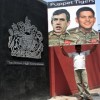
POLITICS: Sri Lanka, Britain Spar Again Over Tigers
Tensions between Sri Lanka and Britain may have calmed down somewhat after the civil conflict ended in this South Asian country last year, but are rising again after the government accused London of aiding the defeated Tamil Tigers to regroup internationally.EUROPE: Economists Blame Germany for Mediterranean Crisis
Germany’s obsession with maintaining a trade surplus, in line with its mercantilist traditions, is one cause for the severe economic crisis that has gripped several Euro-Mediterranean countries, say economists.
RIGHTS-CHINA: For Dissident’s Wife, A Time of Waiting
Long before Liu Xiaobo, China’s most prominent political dissident and co- author of the Charter 08 call for political reform, was sentenced to 11 years in prison for "incitement to subvert state power," his wife, Liu Xia, had accepted his fate.RIGHTS-MEXICO: “Yes, I Do” Want a Same-Sex Marriage Licence
Emma Villanueva and her partner lined up at the civil registry office in the Mexican capital to register for a marriage licence Thursday, the day that Latin America's first same-sex marriage law went into effect.INDONESIA: U.S. Seeks to Resume Training of Controversial Military Unit
The administration of President Barack Obama hopes to resume U.S. training of an elite Indonesian military unit whose members have been convicted of gross human rights abuses in East Timor and elsewhere in the sprawling archipelago.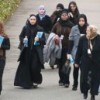
RIGHTS: Arab Women Caught Between Extremes
The status of women in a predominantly male-chauvinistic Arab world continues to fluctuate from one extreme to another.
LATIN AMERICA-US: Clinton Attempts Damage Control
The dialogue of the deaf on Iran's nuclear programme that took place in the capital of Brazil highlights the hurdles faced by U.S. Secretary of State Hillary Rodham Clinton in her attempt at forging warmer ties during her tour of six Latin American countries.
UGANDA: Pressure Mounts to Make Public Oil Agreements
Uganda’s members of parliament (MPs) are pressurising government to make public details of oil production-sharing agreements it signed with various international oil companies.
U.S.: Detained Migrant Women Shackled During Childbirth
When Maricopa County sheriff's deputies raided Celia Alejandra Alvarez's workplace and discovered her hiding place, she says they lifted her off her feet and slammed her face into a wall, causing injuries to her jaw and teeth. Later, in detention for having false documents, she says she was not given medical care.BURMA: Amid Threats, Women Dissidents Stick to Political Beliefs
While Aung San Suu Kyi remains the most widely-known woman suppressed for her political views in Burma, the jails in that military-ruled country continue to be filled by lesser-known women dissidents being held on a range of questionable charges.POLITICS: Indonesians Complain About ‘Noise’ of Democracy
Is there such a thing as too much freedom in a democracy?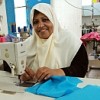
MIDEAST: Occupation Turns Palestinian Women Into Breadwinners
Israel’s occupation of the Palestinian territories, with its ubiquitous closures, checkpoints, military raids and arrests, has decimated the Palestinian economy in the West Bank and Gaza.US-IRAN: Debate Over Military Action Against Iran Gains Steam
While the ongoing U.S. military "surge" in Afghanistan continues to capture the headlines, Iran's nuclear programme – and how best to deal with it – is rapidly emerging here as this year's biggest foreign policy challenge.RIGHTS: U.N. Women’s Agency Remains Politically Paralysed
A longstanding proposal for the creation of a special U.N. agency for women - officially called a "gender entity" - is apparently moving at the sluggish pace of a paralytic snail.LATIN AMERICA: Subdued Response to Cuban Dissident’s Death
The deafening silence of Latin American governments has fallen like another shovelful of earth on the grave of Cuban dissident Orlando Zapata, a bricklayer who died Feb. 23 after nearly three months on hunger strike in prison on the Caribbean island.
MIDEAST: Gap Lingers Between Women’s Political and Legal Rights
Last year, Kuwaitis elected their first female members of Parliament. Yet in countries like Yemen, child marriage remains common and personal status laws still discriminate against women in matters concerning marriage, divorce and child custody.GUATEMALA: Off Track for Millennium Development Goals
Guatemala knows that when it comes time to demonstrate compliance with the Millennium Development Goals (MDGs), a set of global anti-poverty and development target to be met by 2015, it will make a poor showing.« Previous Page — Next Page »


The Week with IPS

NEXT STOP - SDGs
Tracking global progress towards a sustainable world
Tracking global progress towards a sustainable world
