Languages
Friday, November 27, 2026



News and Views from the Global South
Politics
ASIA: War Footing Needed to Fix Water, Sanitation Issues
Government officials, sanitation experts, funding agencies and civil society representatives are unanimous that Asia’s water delivery and sanitation problems should be tackled with the same urgency as disaster relief.POLITICS-US: Grim GAO Iraq Report Belies Official Optimism
As the U.S. Congress prepares for a critical September assessment of progress in Iraq, a draft of an upcoming report by Congress's nonpartisan investigative arm states that Iraq has met only three of 18 congressionally mandated benchmarks for progress, in contrast to an earlier White House report which claimed "satisfactory" progress on eight of the benchmarks.FINANCE-US: Charities, Firms Balk at Terror Vetting Scheme
New plans to ensure that federal aid dollars do not end up in terrorists' hands are causing worry among charities and companies entrusted with advancing U.S. interests in developing countries.PARAGUAY: Leader in Invisible Children
Six out of every 10 children in Paraguay were not registered at birth by their parents, and have no identity documents. In the eyes of the state, they simply do not exist.ENVIRONMENT-MEXICO: Green Plan to Cut Smog
The Mexico City government announced new environmental measures Thursday aimed at further restricting traffic, the main culprit for the city’s notorious smog. The plan is also to streamline the city’s chaotic traffic, in the face of warnings from experts of a total collapse of the system by 2010.BRAZIL: City Residents Want to Know ‘How Are We Doing?’
A civil society movement in Bogotá, Colombia has become a model for Brazilians who want to restore quality of life in the country’s two largest cities, by changing the political practices of city governments through mechanisms for communication and citizen oversight.POLITICS: Murky Future for Rights Treaty on Water
A proposed international treaty to guarantee water as a basic human right has received mixed reviews from experts, environmentalists and political activists.BURMA: Junta Exposed by Information Technology
As public protests in Burma enter a second week, Burmese journalists living in exile and other expatriates are finding new appreciation for the marvels of modern communication and information technology.DEATH PENALTY-US: Ohio Abolitionists See Light at End of Tunnel
Support is slowly growing for the abolition of the death penalty in the U.S. Midwestern state of Ohio, considered by rights activists as a key state because of its historic, strong stand for the death penalty.POLITICS-MALAWI: Budget Held Hostage to Squabbling Parliamentarians
Malawi's national budget, scheduled to pass in June, is in limbo following a parliamentary impasse - and there are fears that government services may be halted through lack of funding.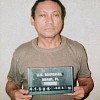
CORRUPTION: Noriega Appears Fated to Head to France
Former Panamanian strongman Manuel Noriega is one step closer to facing money laundering charges in France following his lengthy and storied stay in a U.S. prison.BALKANS: Media Bowing Under Pressure
The ways of Serbian media have come into focus again after the Organisation for Security and Cooperation in Europe (OSCE) declared earlier this week that Serbian media must practise professionalism and respect human dignity.BULGARIA: Roma Treated like Trash
Recent violent episodes involving Roma in Bulgaria emphasise the deep prejudice against this ethnic group, as well as politicians' intention to turn anti-Roma feelings into electoral gains.ENVIRONMENT-GREECE: Fires Char a Way of Life
Greece is set to pay an enormous cost after a week of unstoppable inferno, with fires still burning out of control.IRAQ: Families of Detainees Losing Hope
Hopes are fading for early release of the large number of Iraqis detained under the so-called surge.ECONOMY-IRAN: Headless Oil Industry Faces Crisis
Iran’s key oil industry could plunge into crisis, oil experts have warned, if President Mahmoud Ahmadinejad does not urgently appoint a replacement for Seyed Kazem Vaziri Hamaneh who was sacked as oil minister two weeks ago in a major cabinet reshuffle.HEALTH: No Sex Education Please – We’re Indian
Though adolescents are said to be at the centre of the AIDS epidemic and India has the largest number of infections in Asia, this conservative country continues to shy away from incorporating sex education in school curricula.RIGHTS-US: Abu Ghraib Justice Ends With Enlisted Soldiers
Tuesday's acquittal of Lieutenant Colonel Steven Jordan on charges related to the Abu Ghraib prison abuses means that no officers have been found criminally responsible for the mistreatment of prisoners at the Iraqi prison near Baghdad.MIGRATION: Big Investor? Welcome to Portugal
Portugal’s new immigration law has drawn fire from foreign workers’ associations, who accuse the authorities of favouritism towards university graduates and those who have plenty of money to invest in the country.COLOMBIA: New Videos Shed Light on Palace of Justice Massacre
Judge Carlos Horacio Urán walked out of Colombia’s Palace of Justice alive after it was seized by guerrillas in 1985. But his body was found inside the building when the 27-hour siege came to an end.BOLIVIA: Polarisation Reaches Boiling Point
A 24-hour business strike called by opponents of leftist President Evo Morales in six of Bolivia’s nine departments or states was the latest demonstration of the polarisation dividing the country.« Previous Page — Next Page »


The Week with IPS

NEXT STOP - SDGs
Tracking global progress towards a sustainable world
