Languages
Saturday, November 14, 2026



News and Views from the Global South
Poverty & MDGs
DEVELOPMENT: Poverty – Time to Act
"Our voices must reach the ears of the leaders who govern us," says Marina Ponti, describing this year’s campaign by the Global Call to Action Against Poverty (GCAP).DEVELOPMENT: Standing Up for Rights
Millions are being called to quite literally stand up for their rights in a global day of action against poverty Friday this week. The organisers are hoping that this simultaneous protest will be a step to collective power.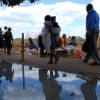
HEALTH-ZIMBABWE: Activists Say Cholera Due to Failed Leadership
"In my nine years as a nurse, I have never been so devastated. You know how discouraging it is to see people dying before your eyes. And you know very well there is nothing you can do to help them."POVERTY: Water Wars Hit Rural Zimbabwe
When water experts warned at the turn of the millennium that soon wars will be fought not over oil anymore but over water, little did Zimbabweans know that they would be some of the first people affected by this dire prediction.
WORLD FOOD-DAY-PAKISTAN: Hunger, Poverty Initiatives Suspect
As Pakistan’s food crisis deepens, with an estimated 60 million people facing food insecurity, the GCAP (Global Call to Action Against Poverty) plans to hold rallies through the weekend demanding ‘’public accountability’’ even for hunger and poverty alleviation initiatives.
Q&A: "I Smell A Fantastic Aroma"
As Africa and the rest of the world seek to end the current food crisis - which could get worse with the flu sweeping across global financial markets - it is time Africa made gains from the food crisis.ZIMBABWE: Food Crisis Worsens
Zimbabwe's agricultural production has been hit by a long list of difficulties - several rounds of severe drought, a collapsed currency that has made fertiliser and other farm inputs very expensive, ill-considered land redistribution, and brutal pre- and post- election violence by the ruling ZANU-PF that has hurt rural populations most.WORLD FOOD DAY: Eating Less, Paying More
Despite wall-to-wall media coverage of the financial crisis rocking the U.S. and, increasingly, other financial systems around the world, a crisis with a larger scope is brewing with little attention.WORLD FOOD DAY: Zambia's Women Farmers Demand Policy Changes
Zambia's tens of thousands of peasant farmers are crucial to the country's food security, yet they have little voice in agricultural policy. Cecilia Violet Makota is one of the rare exceptions.WORLD FOOD DAY-LATAM: Learning Lessons
"We can’t wait for crises to happen to start guaranteeing the right to food. We have to act before a crisis hits," José Graziano da Silva, Food and Agriculture Organisation (FAO) regional representative for Latin America and the Caribbean, told IPS.FINANCE: Meltdown Could Derail U.N. Development Agenda
When Secretary-General Ban Ki-moon was asked by reporters whether the U.N.'s cash-strapped development agenda would survive the global financial crisis, he pointed out that only last month world leaders meeting at the United Nations had pledged about 16 billion dollars towards fighting poverty and hunger, as spelled out in the Millennium Development Goals (MDGs).HEALTH-AFRICA: Time for Joint Action on HIV/AIDS and Violence
The war against HIV/AIDS, it is emerging, will not be won unless sexual and gender-based violence is tackled.
TRADE-MALAWI: The ABC of Being a Successful Business Woman
Through hard work and resilience, Malawian entrepreneur Mary Phombeya has developed her once small and struggling business outfit into a fully fledged company. She imports fashionable clothes – for women, children and men – from Dubai, Thailand and Hong Kong which she sells locally.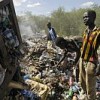
DEVELOPMENT: A Billion Hungry People Need Rescue Plan Too
Relief for the world's hungry remains a distant prospect, with this year's "Global Hunger Index" (GHI) attesting that even before the ongoing food crisis, 33 countries had "alarming" or "extremely alarming" levels of hunger.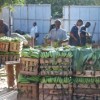
AGRICULTURE: A Better Banana For Africa
With the eyes of a predator and attention to detail of a master craftsman, Benjamin Maina combs the 100-acre Khosla plantation for fallen banana trees. The good health of this crop is everything to the many people whose lives depend on trading banana -– the best selling fruit in the world.DEVELOPMENT: Crisis Both a Distraction and an Opportunity
Despite intense media focus on the U.S. presidential campaign and the ongoing economic turmoil, organisers of "Stand Up and Take Action" events this weekend are confident that hundreds of thousands of citizens in this country will not forget the world's poorest.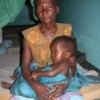
HEALTH-MALAWI: Help for Women with Obstetric Fistula
A group of 138 unhappy and mostly destitute women from Malawi’s lake district of Mangochi have something to look forward to this week: They will have a chance to restore their dignity and pride by accessing a medical service usually not available to them.TRADE-AFRICA: Red Faces Over EPAs Red Herring
Senior European Union officials have admitted being embarrassed at how the bloc’s own procedures are delaying them from signing economic partnership agreements (EPAs) with Africa.DEVELOPMENT: Challenging the Bio-fuel-Hunger Paradigm
Participants at The Third India-Brazil-South Africa (IBSA) Business Forum 2008 came together here to debunk the belief that development of bio-fuels would invariably exacerbate global hunger. Conventional wisdom has it that increased production of bio-fuel - particularly ethanol - will invariably result in decreasing acreage for food grain production, rising food prices and a surge in hunger and malnutrition. Participants at the Forum - held in New Delhi during the lead-up to the third IBSA Summit - declared that this was not necessarily true.ECONOMY: Poor Sidelined in Rush to Contain Financial Crisis
The worst market crisis since the 1930s has dominated financial leaders' talks here, stoking misgivings that the world's poor are being overlooked.
DEVELOPMENT: Signs of Hope for Ethiopia’s Children
Amid the hardship facing Ethiopia's children, there are signs that conditions may be improving and that children's lives are changing for the better.« Previous Page — Next Page »


