Languages
Saturday, November 14, 2026



News and Views from the Global South
Poverty & MDGs

DEVELOPMENT-AFRICA: Retailer Creates Jobs With Green Practices
Seven years ago, 54 subsistence farmers in the Umbumbulu district on the KwaZulu-Natal coast of South Africa were struggling to feed their families. They could barely pay their children’s school fees.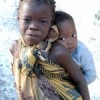
DEVELOPMENT: Escaping the Poverty Trap
What do they have in common - the landless widow with a deaf son in Bangladesh, the 12-year-old miner in Kyrgyzstan, the Ugandan farming couple with 12 children and the South African domestic worker who loses her home when her husband dies and her job when she breaks a leg? They, and their children, are trapped in chronic poverty, even as their countries show economic growth.
CUBA: Putting Their Houses in Order
In Cuba, when talk turns to the housing problem, the personal anecdotes that pour out are as large in number as the country's housing deficit, accumulated over years during which building efforts have not kept up with the need, while the existing houses and buildings continue to crumble.
Q&A: Women Do Most, With Least Assistance
The international debate on effective aid that is shaped by developing countries' needs rather than donors' priorities will be resumed when ministers from over 100 countries, and members of development agencies, donor organisations and civil society gather for the Third High-Level Forum on Aid Effectiveness in Accra Sep. 2-4.
CAMBODIA: 'Getting Decent Jobs for Women – The Challenge'
‘Women are cloth, men are gold’. This traditional Khmer saying is quoted by many studies on gender in Cambodia as emblematic of the different value accorded to men and women in this country of 14 million.
DEVELOPMENT-SOMALIA: Finding Water in Mogadishu
Pipes, reservoirs and water treatment plants in south and central Somalia have been extensively vandalised in the years since the collapse of Siad Barre's government in 1991. In the long absence of central authority, Mogadishu's residents have devised their own informal water distribution systems, but there are many shortcomings.
HEALTH: Safe Sex With HIV – and Without a Condom?
The Swiss Federal Commission for HIV/AIDS set off a small firestorm of debate by asserting that people living with the virus can have sexual relations without a condom and without endangering their uninfected partners, under certain conditions.POLITICS: U.N. Renovation Threatens Disruption in World Body
When the United Nations begins a major 1.8 billion dollar renovation of its 39- storey headquarters early next year, there are fears that the relocation of nearly 4,000 staffers from the 60-year-old building will disrupt the organisational work of the world body.HEALTH-US: HIV On The Rise
A new study shows that the annual number of HIV infections in the United States is greater than was previously believed. The findings place increased scrutiny on the country’s lack of a national HIV/AIDS program as well as the current Presidential candidates’ plans to combat the epidemic.BRAZIL: Spreading the Cultural Tentacles of Inclusion
"Negro F" tells how the Manos Grafite (roughly, "Graphite Hands") group started. In 1996, he and his friend Alex were walking along a street in the outskirts of the capital of the southeastern Brazilian state of Minas Gerais, when they were struck by the colours and forms painted on the walls.
TRADE: Malawi Still Hopeful That Investment Will Come
Malawi is on the prowl to extend its trade connections to different corners of the world, west and east. The small southern African country is hoping foreign investment will help it to become a producer and exporter rather than a consumer and importer economy, as is presently the case.TRADE-WEST AFRICA: Overfishing Linked to Food Crisis, Migration
According to a recent report by the nongovernmental organisation ActionAid, West African seas are being devastated by legal and illegal overfishing, while local fishing industries decline. Moreover, the economic partnership agreements in their currently proposed form only exacerbate this problem.HEALTH-UGANDA: Fight Against AIDS Faltering?
Uganda's approach to the fight against HIV/AIDS is under scrutiny by activists. The country has won international acclaim for its 20-year campaign against the AIDS pandemic, but the latest numbers lead some activists believe Uganda is now losing ground.HEALTH: AIDS Meet – Fine Words, Few Concrete Actions
Governments, international bodies and civil society renewed their commitment to fighting HIV/AIDS at the 17th International AIDS Conference, but they will have to work hard in order for this commitment to be reflected in concrete policies, especially on prevention.
Q&A: “Latin America Needs a Regional Agenda” on AIDS Funding
If the economic status of Latin America and the Caribbean continues to improve, the region’s share of assistance from the Global Fund to Fight AIDS, Tuberculosis and Malaria is likely to drop to half the present level, under the current eligibility requirements, says Lelio Mármora, the Fund’s portfolio manager for this region.DEVELOPMENT-TOGO: High Cost of Living Exacerbated By Floods
Recent flooding in Togo caused the collapse of over 10 bridges connecting the capital of Lomé to the north of the country. The consequences have been increased transportation costs and a steady climb in the price of consumer products.TRADE-AFRICA: New Technology to Sever Timber’s Link to Conflict?
While conflict diamonds or blood diamonds, as they are known, have gained attention the world over in terms of the role illicit gems play in fuelling warfare, the role that the timber trade has played in abetting conflict has received considerably less consideration. That may be beginning to change.HEALTH: Conflicts Make Women More Vulnerable to HIV
"I’m a survivor, and if I can live through all that has happened to me, so can other women," said Floride Nyiraneza, 42, who is HIV positive and a widowed mother of four.HEALTH: Indigenous People Speak Out Clearly on AIDS
"In my community, living with HIV is synonymous with death," Fernando Solís, a 34-year-old member of the Cuna ethnic group in Panama, told IPS. Solís, who was diagnosed four years ago, is now working in prevention efforts among other young indigenous people, which he described as "the key to eradicating the epidemic in our communities."
HEALTH: Global Village or Sexual Minority Ghetto?
Dealing with transgenders (TGs) can be confusing. Even the organisers of the 17th International AIDS Conference underway in this city failed to accommodate the third gender by providing them separate toilets.TRADE: ''Doha Collapse Won't Mean Suffering for The Poor''
At the heart of the collapse of the World Trade Organisation’s Doha Round last week are the different opinions on liberalisation and its relation to development. Developed countries promote the idea that liberalisation will bring about development and thus that the failure of the Round constitutes a blow for the poor.« Previous Page — Next Page »


