Languages
Wednesday, October 14, 2026



News and Views from the Global South
Poverty
Q&A: "Women Need a Bigger Voice at the G20 Summit"
Activists are calling for an economic bailout plan for women and demanding that their voices be heard at the decision-making table ahead of the G20 summit of the world's biggest economies in London on Apr. 2.EDUCATION-ZAMBIA: Communities Doing it For Themselves
"My mother has no job and she cannot afford the cost of educating me and my sister at the government school," says 12-year-old Muyunda Nyamba. But the little boy is one of 37,000 children from Zambia's poorest neighbourhoods beginning the new school year calendar at community-run schools.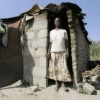
ZIMBABWE: Now a 'Factory for Poverty'
Over 75 percent of the people in crisis-riddled Zimbabwe are living in desperate poverty, with children bearing the brunt. And with rival parties still deadlocked over implementation of a power-sharing agreement signed four months ago, things are likely to get worse before they improve.DEVELOPMENT: Now Sit Up and Listen
For every one in 50 people around the world to make a point of standing up somewhere on the planet to say the same kind of thing adds up to a lot of people. More than any mass mobilisation on any issue ever before.POVERTY-AFRICA: Leaders Cannot Close Their Ears
Eight years ago, the leaders of 189 countries pledged to work towards achieving the Millennium Development Goals, eliminating extreme poverty by 2015. The Stand Up, Take Action Campaign mobilises millions of people around the world to press for action to make this a reality.SPAIN: Only Banks Get Aid, Anti-Poverty Protesters Complain
"We think it’s disgraceful that billions of dollars are available to bail out banks, and there is no money to eradicate poverty in the world," said Marina Navarro, the spokeswoman for some 1,000 social organisations in Spain taking part in demonstrations against poverty between Friday and Sunday.
DEVELOPMENT: South America Fights Poverty Its Own Way
This year, only a few South American nations have responded to the Global Call to Action Against Poverty (GCAP) and its campaign slogan, "Stand Up and Take Action". The social organisations grouped in the global network point to a variety of reasons to explain the apparent apathy.AUSTRALIA: Poverty on the Rise Down Under
Australian cities rank high among the world’s most liveable in ‘quality of life’ surveys and car bumper stickers proclaim the nation as ‘young and free’. But an increasing number of people are living in grinding poverty, a situation that will likely be exacerbated by the ongoing global financial crisis.
Q&A: Marathon Struggle To End Poverty
Since 2005, the Global Call to Action against Poverty (GCAP) has mobilised millions of unionists, activists, and ordinary people to demand an end to poverty and inequality.ZIMBABWE: Time To Do The Right Thing
At least 5,000 people are expected to gather in Chitungwiza today to demand improved access to water, sanitation and health services as part of the Stand Up, Take Action Against Poverty campaign.DEVELOPMENT: Poverty – Time to Act
"Our voices must reach the ears of the leaders who govern us," says Marina Ponti, describing this year’s campaign by the Global Call to Action Against Poverty (GCAP).
HEALTH-ZIMBABWE: Activists Say Cholera Due to Failed Leadership
"In my nine years as a nurse, I have never been so devastated. You know how discouraging it is to see people dying before your eyes. And you know very well there is nothing you can do to help them."DEVELOPMENT: Crisis Both a Distraction and an Opportunity
Despite intense media focus on the U.S. presidential campaign and the ongoing economic turmoil, organisers of "Stand Up and Take Action" events this weekend are confident that hundreds of thousands of citizens in this country will not forget the world's poorest.
TRADE-EAST AFRICA: Going Bananas to Fight Poverty and Hunger
Arguably one of the world’s most popular fruits, bananas are poorly marketed as a value-added commercial crop in Africa. But that is about to change as a plan is being conceptualised to transform the way Africa produces and sells bananas.POLITICS: Unchecked Arms Trade Fuelling Conflict, Poverty
With 1.3 trillion dollars spent every year on the world's militaries, countries enmeshed in conflict are often flooded by weapons which are then turned against helpless civilian populations, say human rights organisations pushing for an international treaty to closely regulate arms sales.
ECONOMY-US: Shelters and Soup Kitchens Hold Crisis Front Lines
Wall Street may be in the throes of agony, but business is booming at the Holy Apostles Soup Kitchen a bit farther north in the Manhattan neighbourhood of Chelsea.RIGHTS: EU Parliament Acts Against Child Trafficking
The European Union needs to develop a programme against child trafficking, the bloc's only directly elected institution has declared.FINANCE-US: Helping People One Paycheque From Disaster
A decade ago, few could envision that making a charitable donation would be as simple as a mouse click.EGYPT: Anger Approaches Boiling Point
Public disaffection with the government appears to have reached an all-time high.LATIN AMERICA: Once Again, Govts Promise to Tackle Violent Crime
Violent crime in Latin America claims more than 100,000 lives a year - more than any single disease - and the average homicide rate is 27 per 100,000 population, making this one of the most violent regions in the world.
Q&A: Money Crisis May Hit Development Assistance
The global financial crisis and rising food prices are certain to impact Latin America despite the growth in recent years, says Pamela Cox, the World Bank's vice-president for Latin America and the Caribbean.« Previous Page — Next Page »





The Week with IPS

NEXT STOP - SDGs
Tracking global progress towards a sustainable world
Tracking global progress towards a sustainable world
