Languages
Wednesday, October 14, 2026



News and Views from the Global South
Poverty
LATIN AMERICA: Poor Response to Global Call Against Poverty
The creative approach of using football matches, student gatherings, shows or events indirectly related to the issue of poverty enabled Global Call to Action Against Poverty (GCAP) activists to reach a wide variety of audiences in Latin America with their message.
DEVELOPMENT: Anti-Poverty Fight Needs More Than Money
"Investing in children and securing their rights is one of the surest ways to ending poverty," U.N. Secretary General Ban Ki-moon told 1,500 students at the United Nations International School in New York City Friday as part of the Stand Up Take Action Campaign organised by the U.N. Millennium Campaign.PHILIPPINES: Long Way to Go in Fight Against Poverty
"It’s very difficult," says Joseph, 39, who has lived with his wife and three children in central Manila’s Rizal Park for the past six months after their home, a squat built on government-owned land, was demolished. "There are many people who are experiencing a lot of hardship here," he adds.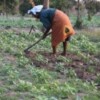
AGRICULTURE-MOZAMBIQUE: Anti-Poverty Campaign Targets Candidates
Antonio Machava is standing by the gate of his farm listening to election campaigners. The group of young people says their party will fight for a law to protect small farmers and create conditions for them to prosper.DEVELOPMENT: A 'Great Persuasion' Gets Under Way
They are calling it 'The Great Persuasion' in Britain as millions prepare around the world to stand up for action against poverty.
AFRICA: Uneven Progress on Development Goals
The Millennium Goals cannot be achieved at the United Nations. The U.N. can create a platform for governments to make commitments but cannot force compliance by member states.
PHILIPPINES: Like Men, Women Aim to Put Food on the Table
Despite experiencing an unsuccessful first foray into the world of commerce, the members of the Canduman Women's Co-operative (CWC) remain focused on producing a profit to aid their families' day-to-day living expenses.PAKISTAN: ‘Empty Stomachs’ Could Spark More Riots, Experts Warn
For a bag of flour, they risked life and limb.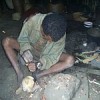
MADAGASCAR: Poverty Forces 2 Million Children into Hard Labour
Poverty has increased dramatically in Madagascar since January, when a national protest movement to end the regime of former president Marc Ravalomanana plunged the country into a socio-economic crisis. Since then, the number of child labourers has risen by a whopping 25 percent.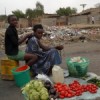
ANGOLA: Rich and Poor – One Country but Worlds Apart
A chauffeur guides a shining 4x4 BMW out of a gated condominium, ferrying a smartly-dressed executive and her three uniformed children out into another morning in the Angolan capital, Luanda.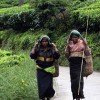
SRI LANKA: Tea Workers’ Demand for Higher Wages Hits a Snag
Tea lovers around the globe may soon have to pay more for every cup of their favorite beverage. That is, assuming tea plantation workers in one of the world’s major tea-producing countries get their demand for a significant increase in their daily wages.
MOZAMBIQUE: Technology Could Increase Food Harvest and Reduce Poverty
In rural Mozambique, increasing numbers of families are growing their own food and lifting themselves out of poverty.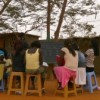
ANGOLA: Teenage School Programme Gives Drop Outs Second Chance at Education
Free primary education for all is an Angolan government policy, but unfortunately this has not translated into a reality that sees all children receiving education.MIDEAST: As U.S. Winds Down, Iraq Tilts Toward Iran
A raid by Iraqi security forces on a camp of Iranian dissidents is widely seen as a sign that Iraqi authorities are establishing their independence as the U.S. occupation winds down – and tilting instead towards Iran.
ECONOMY-ANGOLA: Entrepreneurial Spirit Born Out of Necessity
"Amiga, amiga," the women shout out, "Apples, pears, pineapples..." their cries fading into the beeps and growls of the traffic noise.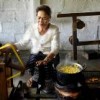
LAOS: The New Silk Road
At the age of 13, Kommaly Chantavong, now 64, walked over 600 kms to Vientiane from her home in Lao’s northern province of Huaphan. She walked through the buzzing war with the French in bare feet. All she took were heirloom pieces of woven silk, legacies from her grandmothers.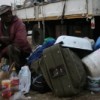
RIGHTS-SOUTH AFRICA: Xenophobia Still Smouldering
"My worry is that my children are going to be slaves because they won't have anything. These foreign people come to South Africa with nothing, but tomorrow he has cash, third day he owns a shop and fourth day he has a car. Where do these foreign people get this money?"
Q&A: ‘The Cake is Not Enough’
Gerald Mooi owns a business renting out pool tables for functions across the city of Cape Town area.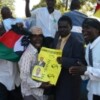
POLITICS-MALAWI: Poverty Uppermost in Voters’ Minds
When Malawians go to vote on May 19, they are expected to put their cross next to the party they believe will do most to reduce poverty. Political campaigns in the run-up to the presidential and parliamentary elections have centred around poverty, agriculture, food security and employment.
POVERTY-MOZAMBIQUE: Researchers Ponder Value of Cash Transfers
Their mud huts perch precariously on the eroded, high embankment of the Zambezi river, in the provincial capital of Tete, in central Mozambique. But watching their homes be washed away by erosion or floods is just another risk for the residents of Matundo and Matheus Sansao Muthemba bairros. Their lives are as precarious as their homes.DEVELOPMENT-SOUTHERN AFRICA: Helping the Most Vulnerable Households
A new tool to accurately measure the vulnerability of rural households to the impact of shocks such as the illness or death of a household member from AIDS has been developed by a Southern Africa regional policy network, the Food Agriculture and Natural Resources Policy Analysis Network (FANRPAN).« Previous Page — Next Page »





The Week with IPS

NEXT STOP - SDGs
Tracking global progress towards a sustainable world
Tracking global progress towards a sustainable world
