Languages
Friday, October 2, 2026



News and Views from the Global South
Southern Africa
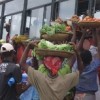
AFRICA: Lost in the Tracking of Budgets
As Susan Muonanji and other vendors scrambled around one of the many transport busses to sell cabbages and tomatoes at a market along one of Malawi’s key roads, a national budget session had just started in parliament some 100 kilometres away in the capital city, Lilongwe.
ZAMBIA : Fishing in Troubled Waters
In two decades of fishing on the Zambezi, Darius Wamulume has never seen anything like this. With deep ulcerations and tissue decay, the fish he has caught recently is too unsightly to sell and too suspect to eat.WATER-BOTSWANA: A Garden In the Heart of the Village
Look, there's no drama with the borehole in Mokobeng. And that's the way it should be.MOZAMBIQUE: Watching the Water Flow Away
Less than 100 kilometres from the second-largest dam in Africa, women walk with their babies strapped on their back, water pails balanced on their heads.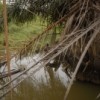
WATER-MOZAMBIQUE: Remote Villages Out of Sight, Out of Mind?
"This is where we get our water from," says a villager on the footpath leading out of Mcondece. Branches and other debris float on the surface of the sluggish, murky brown creek.
AFRICA: Counting on Media for Good Governance
While campaigning in the last election, Margaret Roka Mauwa, Member of the Malawian Parliament, did not promise her voters that when she won she would buy them coffins.
ANGOLA: Tit-for-Tat Deportations Leave Thousands At Risk
More than 30,000 Angolans are stranded in transit camps after being abruptly deported from the Democratic Republic of Congo and there are growing fears of a cholera outbreak as the rainy season begins.ZAMBIA: Holding Government Responsible for Spending
The recent change of the budget cycle to allow government to effectively spend money to develop the country is not good enough unless those in charge of the money are made accountable, say civil society.
AGRICULTURE-MOZAMBIQUE: Anti-Poverty Campaign Targets Candidates
Antonio Machava is standing by the gate of his farm listening to election campaigners. The group of young people says their party will fight for a law to protect small farmers and create conditions for them to prosper.POLITICS-ZIMBABWE: Unity Govt In Chaos
Zimbabwe's eight-month-old inclusive government suffered its biggest setback to date, when Prime Minister Morgan Tsvangirai announced that his Movement for Democratic Change (MDC-T) was partly disengaging from the government.SOUTH AFRICA: "If You Are Landless, You Are Damned"
A group of small-scale South African farmers has lodged a complaint with the South African Human Rights Commission (SAHRC) against the government, accusing the authorities of not sufficiently assisting small farmers to make a living and therefore undermining their human right to food security.SOUTH AFRICA: Addressing Water Wastage
How do you fix a leaking pipe?AGRICULTURE-ZIMBABWE: "The Rule of Law Just Isn’t There"
Agriculture used to be Zimbabwe’s economic mainstay but it has been on the decline since 2000 when the ZANU-PF government embarked on a so-called land reform programme that resulted in about 4,000 productive white farmers losing their farms, many to members of the politically connected elite.
WATER-ZIMBABWE : New Wells Protect Environment, Build Peace
Twenty years ago, Isaac Chidavaenzi would worry when his neighbours set up vegetable gardens on river banks, trying to get closer to water sources. The number of gardens on the rivers' banks has now decreased, but Chidavaenzi is even more worried.AFRICA: Government on Collision Course with Civil Society
The acquittal of former President Frederick Chiluba on charges of theft after a seven-year long landmark case, and the refusal by the Zambian government to appeal, has put government and civil society on a collision course.
Q&A: The Desire To Be An Outsider
"The old man died beneath the wheels of the twentieth century. There was nothing left but stains, bloodstains and fragments of flesh... And the same thing is happening to my generation." - Dambudzo Marechera, House of Hunger
RIGHTS: Police Force HIV Tests for Sex Workers
It was, Malawian police say, a routine sweep for criminals at one of the country’s busiest border posts. They were looking for criminals.SOUTHERN AFRICA: Lack of Clean Groundwater a Health Threat
As the rainy season approaches, and sewage from pit latrines seep further into the Zimbabwe's groundwater, Irene Ngubeni will be at risk as the country faces another possible cholera outbreak.EDUCATION-ZIMBABWE: Students Quit Classes – and Country – As Crisis Deepens
Schooling is increasingly becoming a privilege of the rich, , Zimbabwean parents and teachers' unions complain.HEALTH-NAMIBIA: Illegal Abortions Common Despite Risks
Ten years ago, a move to legalise abortion in Namibia failed. The number of unwanted pregnancies remains high, with many people unwilling or unable to use contraception. Despite the risks, illegal abortions remain common.ENVIRONMENT-SOUTH AFRICA: Opportunities Spring From e-Waste
There was an audible gasp when Kirsten McIntyre told the audience that e-waste is the third fastest growing waste stream in the world, with between 40 and 50 million tons of computers, TVs and washing machines being "thrown away" each year.« Previous Page — Next Page »


The Week with IPS

NEXT STOP - SDGs
Tracking global progress towards a sustainable world
Tracking global progress towards a sustainable world
