Languages
Tuesday, October 20, 2026



News and Views from the Global South
Southern Africa
HEALTH-SOUTH AFRICA: Returning Sick – HIV, Illness, Death and Migration
It's a Wednesday afternoon at the Joe Gqabi bus terminus in Philippi, Cape Town, and ticket touts scramble to recruit passengers wanting to travel to the rural Eastern Cape, a 1,000 kilometre, 16-hour haul away.
HEALTH-SOUTH AFRICA: Bringing HIV Testing Where It's Needed
In the ten months since the Tutu Tester's mobile clinic began touring Cape Town neighbourhoods offering quick, confidential tests for a number of chronic diseases including HIV/AIDS, more than 7,000 people have climbed into its colourful camper-van for testing and counselling.TRADE: EC Urges SADC on About EPA as ‘‘Time Is Not on Our Side’’
Southern African countries remain mum on the interim economic partnership agreement (EPA), despite a letter from European Commission (EC) trade commissioner Catherine Ashton urging them to sign.DEVELOPMENT-SOUTHERN AFRICA: Helping the Most Vulnerable Households
A new tool to accurately measure the vulnerability of rural households to the impact of shocks such as the illness or death of a household member from AIDS has been developed by a Southern Africa regional policy network, the Food Agriculture and Natural Resources Policy Analysis Network (FANRPAN).
HEALTH-ZIMBABWE: Government Promises to Rebuild Health System
The resuscitation of Zimbabwe’s health care system has been identified as one of the major challenges facing the country by the country’s new unity government.NAMIBIA: U.S. Poverty Grant – Blessing or Curse?
More than $300 million foreign aid will flood Namibia in the next five years through the Millennium Challenge Account (MCA), a development fund governed by the United States government-owned Millennium Challenge Corporation (MCC). But the jury is still out on whether the grant is a blessing or a curse.HEALTH-SOUTH AFRICA: 'Our Lives Are Most Important'
The Fourth South African AIDS conference ended in Durban Friday with optimism over progress in research and policy on AIDS prevention but serious concerns over finding the resources to effectively implement the country's national strategic plan of action.
SOUTH AFRICA: Nurses Should Be Backbone of ARV Treatment
Effectively scaling up South Africans’ access to antiretroviral (ARV) treatment will require decentralisation of health services from hospitals to clinics and allowing nurses to manage and eventually to initiate ARV treatment and care.ZAMBIA: Diminishing Returns on Agriculture Subsidy
Responding to years of complaints over the management of the Fertiliser Support Programme (FSP), the Zambian government has now proposed that the private sector takes over its running to reduce cases of corruption.
FINANCE: Guns 'n Nurses in Namibia's Budget
Tax relief for lower income groups in Namibia should not conceal that the 2009/10 budget falls short in addressing structural problems in the economy, civil society organisations have charged.SOUTH AFRICA: Implementation, Not Money the Obstacle to Scaling Up HIV Treatment
The money to scale up HIV treatment is there, but implementation of programmes to curb the pandemic is a problem, health experts said at the opening of the Fourth South African AIDS Conference in Durban.
HEALTH-LESOTHO: Migration Calls for Cross-Border Health Policies
The mountain kingdom of Lesotho faces a number of unique hurdles with regard to HIV and AIDS.ZAMBIA: Media Resists Calls for State Regulation
After almost a decade of fighting for self-regulation, the Zambian media may finally have its wishes entrenched with constitutional protection.NAMIBIA: Gender Legislation Futile If Not Implemented
Namibian women’s rights activists say existing gender legislation has failed to improve women’s lives because it is not being implemented widely enough. Last August, Namibia signed the Southern African Development Community (SADC) gender protocol but politicians have yet to ratify it.
RIGHTS-SOUTH AFRICA: Women Farmworkers Threaten Election Boycott
Women from South Africa's three Cape provinces have marched to parliament in Cape Town to denounce the country's "slow and unbalanced" land redistribution programme. The protesters said if they are not given greater access to land, they will not vote in the country's Apr. 22 general elections.MINING-AFRICA: Help Yourself, There's Plenty
The African continent is rich in natural resources; but the terms under which multinational companies exploit these resources mean that governments - and Africa’s people - enjoy only a tiny fraction of the benefits.SOUTH AFRICA: Food Banks to Curb Hunger
In yet another attempt to bolster food security in the country, a charity organisation has opened a food bank in Cape Town which will operate like a huge warehouse from which food is handed out to the poor.
SOUTH AFRICA: Activists Lament Lack of HIV/TB Co-Treatment
Despite repeated calls for integrated HIV and tuberculosis (TB) health services from medical experts and AIDS activists, most of South Africa’s public health facilities continue to treat the diseases independently. Co-infection presents a major risk to the lives of people living with HIV.
ZIMBABWE: Researchers Developing New Ways to Purify Water
Scientists at Bulawayo's National University of Science and Technology (NUST) have embarked on research to develop simple and affordable water purification methods, as more than a billion people live without safe drinking water in developing countries.
NAMIBIA: Food Security Hangs in the Balance
Don't talk about food prices in Namibia. Wedged between costly imports from South Africa and failing projects to achieve food security, Namibians are upset, and hungry.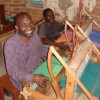
TRADE-TANZANIA: Crafts Charity Disproves Myths About Disability
After Joel Haule developed a crippling childhood disease that left him wheelchair-bound, his parents began calling him ‘‘Matatizo’’, the Kiswahili word for ‘‘problems’’.« Previous Page — Next Page »





The Week with IPS

NEXT STOP - SDGs
Tracking global progress towards a sustainable world
Tracking global progress towards a sustainable world
