Languages
Wednesday, October 28, 2026



News and Views from the Global South
West Africa
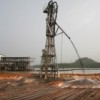
MINING-WEST AFRICA: ECOWAS Stirs Up Trouble With MOU
The Economic Community of West African States has taken the unprecedented step of inviting Oxfam America to coordinate the drawing up of a mining code for the region. The decision has infuriated some civil society organisations.AFRICA: Socialists Call For Reparations
The first West African conference of the African Socialist International has ended in Freetown, with delegates calling for reparations to be paid to Africans for 400 years of slavery.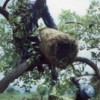
DEVELOPMENT-CAMEROON: Sweet Deal For Bee-Keepers
Paul Mboui's family will soon move into the attractive new bungalow he is building. Then he will rent out his present compound as a warehouse to Guiding Hope, the honey trading company that has made him prosperous.
RIGHTS-SIERRA LEONE: Reparations Stretched Thin
"Eight years ago my husband threw his haversack on his back and bade us goodbye. My two kids and I came out of the house and watched him leave. Water was dripping from our eyes uncontrollably; it was as if we were already mourning his death. He was bound for the war front."DEATH PENALTY-NIGERIA: 'Forced Confessions' Condemn Hundreds
Amnesty International says that hundreds of those awaiting execution on Nigeria's death row did not have fair trials and may therefore be innocent.POLITICS-GHANA: The Steep Price of Getting Elected
Mawusi Awity and her husband were willing to jeopardize his military career for her dream of running for parliament in Ghana but there was another price to pay that she could not afford.
HEALTH-ZIMBABWE: Activists Say Cholera Due to Failed Leadership
"In my nine years as a nurse, I have never been so devastated. You know how discouraging it is to see people dying before your eyes. And you know very well there is nothing you can do to help them."
SÃO TOMe AND PRINCIPE: A Retro Approach to Politics?
It is lonely at the top – especially when you are one of only two women among 53 men at the National Assembly.POLITICS-SENEGAL: Ms. Mayor, Ms. Prefect
The Sicap Baobab neighborhood, one of the prettiest in the Senegalese capital, stands out, but not for the most obvious reasons. Not for its well-paved roads, or the number of naturalised immigrants from Cabo Verde, Togo or Benin, not for the hustle and bustle of the formal and informal economies.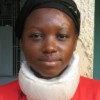
POLITICS-GUINEA: "Sheep Who Vote?" Women Say No
Long absent from the top posts in the civil service and under-represented in political parties, Guinean women are calling for changes during legislative elections planned for December.DEVELOPMENT-SIERRA LEONE: Living Off Scraps
Each morning, Mariama Kamara and her two teenaged sons walk to Freetown’s main rubbish dump. Their mission: to dig through the mounds of garbage in search of scrap metal.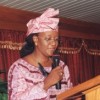
POLITICS-SIERRA LEONE: The Ups And Downs Of Zainab Bangura
Her reputation as a fiery orator is enhanced whenever she takes the podium, her punch softened by her broad smiles and gorgeous attires in West African style.
SIERRA LEONE: Ghost Schools, Phantom Progress On Education
Magnus Kamara is a school inspector with a difference. He has been hired to find schools that don't exist.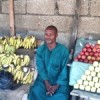
NIGERIA: Ramadan Marred By High Food Prices
As the holy month of Ramadan draws to a close, residents of the northern Nigerian city of Kano have endured double pain: already high food prices have been driven through the roof.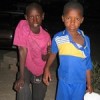
RIGHTS-SENEGAL: Street Children at Risk of Exploitation
The Senegalese capital, Dakar, is filled with street children from villages in Guinea Bissau. These boys from Senegal's southern neighbour - aged anywhere between four and twelve - have been sent by their families to study the Koran, but many are getting very little education.WEST AFRICA: Cotton Symbolises Global Trade System’s 'Iniquity'
The international cotton trade has been a sad tale for West African countries. The region produces five percent of the world’s cotton and 15 percent of the global cotton fibre trade. Yet West African cotton farmers are among the poorest in the world.
CULTURE-NIGERIA: Writers, Film-makers Defy Censors
"I don't sell cocaine," says the video vendor in Kano's Rimi market when I ask for Adam Zango's music video CD Bahaushiya. He is not referring to the white powder, but instead a new illegal substance - Hausa films that have not passed through the Kano State Censors Board.NIGERIA: Niger Delta Conflict Hurting Local Economy
A thriving business climate appears to be the main casualty as armed groups agitate for the control of oil proceeds in Nigeria’s Niger Delta region.
Q&A: "We Will Write About Them"
While formal publishing companies in Nigeria languished through the economic crises that accompanied the structural adjustment programmes of the late 1980s and early 1990s, young Hausa writers began writing about their lives and contemporary problems they faced. Bypassing formal publishers, they self-published their novels, often with the help of a writers' cooperative.
SIERRA LEONE: Building Peace
Sierra Leone has been a major recipient of foreign aid since the end of a devastating 11-year civil war in 2002. But government, donors and citizens are all questioning how effectively this aid is being used.RIGHTS-GUINEA: “We Can Forgive, But We Have To Know The Truth”
Kadiatou Diallo Sylla shares a shack with her family in Bambeto, a Conakry suburb. She is haunted by memories of her 14-year-old son, an only child: he was killed by the military during anti-government demonstrations in January 2007.« Previous Page — Next Page »





The Week with IPS

NEXT STOP - SDGs
Tracking global progress towards a sustainable world
Tracking global progress towards a sustainable world
