Languages
Saturday, July 27, 2024



News and Views from the Global South

African Activists Call on the West to Finance Climate Action
As the technical session of the global climate negotiations enters the final stretch in Bonn, Germany, climate activists from Africa have expressed fears that negotiators from the developed world are dragging their feet in a way to avoid paying their fair share to tackle the climate crisis. “I think we will be unfair to the snail if we say that the Bonn talks have all along moved at a snail pace,” quipped Mohammed Adow, the Director, Power Shift Africa.
Dissenting Voices at Nairobi Soil Health Forum Over Increased Fertilizer Use
As the Africa Fertilizer and Soil Health Summit convened in Nairobi to review the progress made in terms of increasing fertilizer use in line with the 2006 Abuja Declaration, experts, practitioners, activists, and even government officials pointed out that accelerated fertilizer use may not be the magic bullet for increased food production in Africa.
Ten African Countries to Benefit From USD 100 Million Released by Green Climate Fund
The Green Climate Fund (GCF) has announced the release of USD 100 million at the ongoing United Nations Framework Convention on Climate Change (UNFCCC) 28th Conference of Parties (COP 28) in Dubai, UAE, to support 10 African countries in adapting food loss reduction solutions.
Why Agroecology Should Be Considered as Key for Climate Negotiations
Students of St Denis Libolina Primary have used agroecology farming techniques to transform the entire school garden and any free space into food forests and gardens for different vegetable varieties, legumes, and herbs. Now the students, who are physically challenged, have challenged their parents, villagers, and farmers in the outskirts of Myanga Township, in Kenya’s Bungoma County, in the Western region, to do the same.
African Agro-Processors Call for Policies Conducive to Local Manufacturing
Experts at the Africa Food Systems Forum (AGRF) in Dar es Salaam, Tanzania, have called on African governments to make and review existing policies to protect the processing and agro-industrialisation of locally produced agricultural products.
Kenya Moots Disbanding the Loss and Damage Fund, Seeks Fair Equitable Climate Action
The Climate Change envoy to the President of Kenya has asked Kenya’s and, by extension Africa’s negotiators at the ongoing climate conference in Bonn, Germany, not to put much emphasis on financing the Loss and Damage kitty but instead calls for fairness and equity.
Kenyan Entrepreneur Using Organic Microbes to Unlock Hidden Nutrients in Dairy Feeds
Using naturally occurring microbes, a Kenyan entrepreneur has developed a molasses-based supplement that pre-ferments animal feeds to unlock all the necessary nutrients that would otherwise find a way out of the animal through cow dung, and dairy farmers have fallen in love with the product.
Kenya’s Dryland Farmers Embrace Regenerative Farming to Brave Tough Climate
It is an uncommon occurrence to see farms with flourishing healthy crops in Kenya’s semi-arid Makueni County. But in Kithiani village, Justus Kimeu’s two-acre piece of land stands out from the rest. After embracing the regenerative agriculture (RA) technique, the 52-year-old farmer is looking forward to a bumper harvest of maize as all his neighbours count their losses following this year’s failed season.
Kenya’s Poor Need Different Lockdown Restrictions to Survive, Scientists Urge
After Joseph Mandu lost his job because of the country’s coronavirus lockdown, he would still wake every morning and leave his home in the City Carton slum in Kenya’s capital, Nairobi. But instead of heading to the restaurant he worked at as a pool-table attendant, he would walk around City Carton searching for odd jobs to earn an income so he could pay for the food his family needed to survive.
Farming-Specific Loans Help Tanzania’s Smallholders Increase Productivity
Small agricultural loans, disbursed through mobile phones and targeting specific farming activities at different phases of production, have more than doubled food productivity among thousands of smallholder farmers in southern and central parts of Tanzania over the past three years, improving their livelihoods.
Q&A: UN Environment Assembly Kicks Off With a Call to Make Peace with Nature
Its time for the world to radically change our ways if we are to make peace with the planet and create the environmental conditions so that all of humanity can thrive, delegates attending the Fifth Session of the United Nations Environment Assembly (UNEA-5) heard this morning.
Scientists Draw up Guidelines to Help Agri-food Companies Align with 2030 Agenda
In Amuru district, 47 kilometres from Gulu town in northwestern Uganda, the Omer Farming Company has proven that it is possible to farm on thousands of acres of land using methods that conserve the environment and its biodiversity.
Preserving Food Security in Africa’s Urban Areas
In Torit State, southern South Sudan, Margaret Itto is one of the farmers in Africa’s youngest country who have invested heavily in agriculture. But she is not able to access the lucrative market for her produce in the capital Juba simply because of poor roads.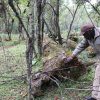
How Kenya’s Indigenous Ogiek are Using Modern Technology to Validate their Land Rights
The Ogiek community, indigenous peoples from Kenya’s Chepkitale National Reserve, are in the process of implementing a modern tool to inform and guide the conservation and management of the natural forest. The community has inhabited this area for many generations, long before Kenya was a republic. Through this process, they hope to get the government to formally recognise their customary tenure in line with the Community Land Act.
Agroecology Strengthens Farmers’ Resilience But Highly Underfunded in Africa
With just a quarter of an acre of land in Kesses near Kenya’s Eldoret town in the Rift Valley region, Samson Tanui is practising agroecology and his permaculture unit has become the centre of attraction for farmers from near and afar amid food shortages during the current COVID-19 pandemic.
The Boardwalk For Birds: Protecting Lake Victoria’s Dunga Beach Wetland
At around 11am on a Saturday, Luke Okomo arrives at Dunga Beach, on the outskirts of Kenya’s Kisumu City, and heads straight to what is known as the ‘Dunga Papyrus Boardwalk’.
Tanzania Investigative Journalist Pays Heavily for Freedom
After six months in prison, Tanzanian investigative journalist Erick Kabendera has finally been released at a cost of $118,000.
Madrid Talks End Without Agreement on How to Finance Recovery from Climate-Related Atrocities
Millions of people, particularly in Africa, who lose their property, homes, and even die due to climate-related disasters will have to wait at least another year for the international community to agree on a means of supporting them.
Why Africa is Seeking Special Considerations on Climate Finance
As the 25th session of climate negotiations draw to an end this week, the African Group of Negotiators (AGN) have been calling on the world to consider the continent as a special case in terms of implementation of the Paris Agreement and climate finance.
African Politicians Asked to Develop Legal Instruments to Fight Climate Change
African legislators have been challenged to come up with legal frameworks for climate change to enable countries avoid catastrophes and reactionary emergencies that eat up their budgets.
Africa’s Civil Society Calls for Action as COP25 Kicks off in Madrid
During the 25th round of climate change negotiations starting today in Madrid, Spain, African civil society organisations will call on governments from both developing and developed nations to play their promised roles in combating climate change.Next Page »








The Week with IPS

NEXT STOP - SDGs
Tracking global progress towards a sustainable world
Tracking global progress towards a sustainable world
