Languages
Saturday, September 26, 2026



News and Views from the Global South
Fragmented Efforts to Save Honduran Mangroves
A mix of local and international initiatives are aimed at saving the mangrove forests and other coastal wetlands of Honduras, home to an abundance of marine life and a natural protective barrier against hurricanes, which have shrunk by over 80 percent on the Caribbean coast and almost a third on the Pacific coast.
Mother-to-child HIV infection still a worry
 It is estimated that between 40 and 50 000 babies will be born in Kenya this year with HIV and Aids that they receive from their mothers. Indications are, however, that the country is becoming less successful in preventing the spread of the virus at birth.
8.7 Million Species Run Spaceship Earth
The life support system that generates the planet’s air, water, and food is powered by 8.7 million living species according to the newest and best estimate. We know next to nothing about 99 percent of those unique species - except that lots of them are going extinct.LIBYA: Rebels Storm Gaddafi Compound in Tripoli
Rebels have entered the fortified compound of Muammar Gaddafi in Bab al-Azizya in Tripoli, following intense fighting with forces loyal to the Libyan leader.
NORTH AMERICA: Keystone XL: A Pipeline to Europe?
The promoters of Keystone XL, a huge new oil pipeline from northern Canada to the U.S. Gulf Coast, claim that it will reduce U.S. reliance on oil imports from unfriendly countries.MEXICO: Maquiladora Factories Manufacture Toxic Pollutants
Since the 1960s, maquiladoras or export assembly plants have been the cornerstone of Mexico's strategy to attract foreign direct investment and boost exports. But the environmental and social costs have been high.Mega Cities Could Trigger Water Shortages and Social Unrest
The rapid growth of urban population - described as one of the world’s major demographic trends - has triggered an explosion of "mega cities" in Asia, Latin America and Africa, causing a breakdown in basic services, including water supplies and sanitation facilities.OP-ED: Expanding Deserts, Falling Water Tables and Toxins Driving People from Homes
People do not normally leave their homes, their families, and their communities unless they have no other option. Yet as environmental stresses mount, we can expect to see a growing number of environmental refugees. Rising seas and increasingly devastating storms grab headlines, but expanding deserts, falling water tables, and toxic waste and radiation are also forcing people from their homes.
SOUTH SUDAN: Inter-Ethnic Clashes Become More Frequent and Deadly
Thousands of women and children are being abducted and over 1,000 people have died this year as communities in oil-rich South Sudan war over a precious commodity – cattle.LIBYA: No ‘Mission Accomplished’ Claimed in Washington Yet
While the apparent end of Muammar Gaddafi’s 42-year reign over Libya was greeted with considerable satisfaction here Monday, no one was prepared to declare "mission accomplished", particularly given the looming questions around what happens next.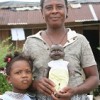
U.N. Development Goals Should Include Anti-Racism Targets
The first world summit of people of African descent, held in the city of La Ceiba on Honduras's Caribbean coast, ended with a declaration calling for the fight against racism to be included in the Millennium Development Goals (MDGs).PORTUGAL: Young Professionals Flee Crisis – to Former Colonies
Thousands of young people from Portugal are joining an emigration flow that never trickled to a stop but is turning into an exodus now due to the severe economic crisis plaguing this southern European country. And the main destinations of those looking for a better future abroad are former colonies, especially Brazil.POLITICS: IBSA Opposes Measures Against Syria
Members of the emerging economy grouping known as IBSA - India, Brazil and South Africa - have joined China and Russia in opposing measures against Syria.GUATEMALA: Activists Worried that Clenched Right Fist Will Take Power
Activists in Guatemala are alarmed at the prospect of a victory by the right in the September general elections, recalling the dismal records of past regimes in the areas of human rights, the economy and justice.Pockets of Resistance As Rebels Claim Tripoli
The head of Libya’s National Transitional Council (NTC) has announced the end of the Muammar Gaddafi era, while sporadic fighting continued across the capital, Tripoli.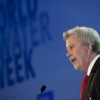
Too Much Water As Dangerous As Too Little
The international community is running the risk of losing the battle for water and sanitation in many cities around the world.HAITI: Martelly Still Unable to Appoint New PM
Almost three months since he was sworn in as the country’s president, Michel J. Martelly has already attempted to appoint two prime ministers to guide his government. Bernard Gousse, a minister of justice under the Gérard Latortue dictatorship (2004-2006) and businessman Daniel Rouzier, were both rejected by Haitian lawmakers.
ECONOMY-ZIMBABWE: Good Policies Make for Good Business
With effective political and economic policies, Africa can be a haven for multinational companies (MNCs) even in the continent's least developed countries.THE ISLAMIC WORLD: STRENGTH THROUGH UNITY
Before Islam, Arabia lived for centuries under various forms of "asabiya", variously defined as Arabism, tribalism, or clanism, which led to many long wars. But in 610, Prophet Muhammad, at the age of 40, received the first verses of Al-Quran, challenging the traditional social and political order. Asabiya yielded to brotherhood-sisterhood in a community of values, the Umma, from Umm, mother. Arabs engaged with enthusiasm in this new social order based on the Islamic religion which held that "there is no difference between an Arab and a non-Arab, or between a white and a black, except in degree of piety". Distinctions based on race, ethnic group, colour, gender, etc., disappeared in favour of unity, freedom, justice, and above all rahma (true love).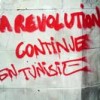
Arab Spring Slips Into Tunisian Fall
Seven months after Tunisia’s historic uprising which saw the ouster of long-time dictator Zine el-Abidine Ben Ali and gave birth to the region’s Arab Spring, many Tunisians are losing confidence in the progress of their revolution.INDIA: Civil Society Shows Its Muscle
In his Independence Day address to the nation on Aug. 15 Indian Prime Minister Manmohan Singh vowed to fight corruption, but nationwide agitations since then demanding an effective ombudsman to check graft showed an unconvinced public.« Previous Page — Next Page »


The Week with IPS

NEXT STOP - SDGs
Tracking global progress towards a sustainable world
Tracking global progress towards a sustainable world
