Languages
Friday, November 6, 2026



News and Views from the Global South
Energy

ECUADOR: Trees on Shaky Ground in Texaco’s Rainforest
When the trunks of the trees move with every step you take, you know you are in a swamp. This is what happens when you walk over the seemingly firm and vegetation-covered ground over what was once a pit used to dump oil sludge in the Ecuadorian Amazon rainforest.KENYA: Sustainable Energy in the Heart of the Slums
Talk about foul foundations: the Katwekera Tosha Bio Centre is built on the stuff that goes into toilets. This community centre in the Nairobi slum of Kibera goes well beyond solving sanitation problems - it is a model for green energy, a meeting place for locals, and turning a profit for its operators.
LATIN AMERICA: Enthusiasm for Nuclear Power Cooling Off
The nuclear disaster in Japan has revived the debate in Latin America on the pros and cons of expanding the use of nuclear energy. While both Argentina and Brazil, which had put the greatest emphasis on nuclear power, plan to continue down that road, other countries have put plans and unfinished projects on hold.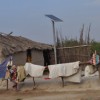
PAKISTAN: And Then There Was Light
Hasan Ibrahim’s tea stall is the busiest place in the sleepy, sand-dune covered village of Sholani, proof of the economic and social change the arrival of electricity has ushered in.
CLIMATE CHANGE: “Act of Conscience” Could Earn 10-Year Prison Term
A college student who derailed a federal auction of oil and gas leases to protest drilling near national parks in the western U.S. state of Utah, as well as the larger issue of reliance on fossil fuels, has reignited debate over the legitimacy of civil disobedience in addressing profound global problems like climate change.U.S.: Poll Finds Support for Freeze on Nuke Plants
The United States government has been accused of failing to read growing public concern about the future of the country's atomic energy programme, as the crisis at Japan's stricken Fukushima nuclear plant continues to unfold.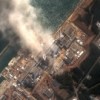
Who Controls the Nuclear Control Agencies?
As Japan struggles to confront a nuclear disaster that could be the worst in history, it seems clear that any discussion about the safety of nuclear energy should address the independence of regulatory agencies.Manufacturing in Africa Can be Profitable – And Developmental
Investing in adding value to raw materials is crucial for the development of the African continent.
U.S. Nuke Plant Safety Questioned in Wake of Japanese Disaster
As Japan continues to battle the threat of nuclear meltdown in the wake of Friday's devastating earthquake, lawmakers, environmental activists and the nuclear industry in the United States are squaring up for a heated contest over the future of atomic energy in this country.Japan Atomic Woes Trigger Policy Review in Germany
The unfolding nuclear catastrophe in Japan, triggered by last Friday's massive earthquake and tsunami, followed by a chain of explosions in atomic power plants, has forced the German government to rethink its own nuclear energy policy.
Tanzania Biofuel Project’s Barren Promise
An ambitious project to produce clean energy for the Netherlands and Belgium has degenerated into a controversial abuse of natural resources in Africa.Spain Backpedals on Renewable Energy
Spain put the brakes on the use of clean energies to generate electricity, as the government approved an energy savings programme to cope with its large oil bill which affects its commitment to reduce non-renewable sources by 2020.Soaring Commodity Prices a Mixed Bag for Mexico
While Mexico is earning more revenue from oil exports, the cost of food imports has risen to the point where food security is threatened.
Q&A: Fossil Fuel Lobby Following the Playbook of Big Tobacco
Powerful fossil energy interests are preventing the United States from making the necessary transition to 21st century energy sources, one of the country's leading environmental economists documents in a just-published book.
SOUTHERN AFRICA: Tri-Partite Agreement Presages Wider Zambezi Agreement
Mozambique, Zambia and Zimbabwe are poised to sign a memorandum of understanding to improve power generation along the length of the Zambezi River.Critics Call Secret U.S.-Canada Talks “End Run Around Democracy”
The just-announced Canada-U.S. security perimetre discussions are comprehensive and potentially wide-ranging and could impact Canadian sovereignty. However, the domestic opposition appears to have been caught off-guard.Malawi Business Keen on Power From Mozambique
The feasibility study looking at connecting Malawi's electricity grid to Mozambique's Cahora-Bassa hydropower station was completed 15 years ago; a price for power was long ago agreed by the respective governments: but somehow the project is yet to go ahead.SOUTHERN AFRICA: Energy Pie Greater Than the Sum of its Parts
Two million compact fluorescent lamps will be distributed to households and industry in Malawi by June, in just one of several measures to bridge the gap between electricity supply and demand. Across Southern Africa, energy shortfalls threaten to choke development.
Saudis to Offset Libya Oil Shortfall
Saudi Arabia has increased oil production to compensate for the fall in output from Libya, as the popular uprising against the regime of Muammar Gaddafi continues to grow in that North African country.
ENERGY-DR CONGO: Small Is Beautiful – And Electrifying
While discussion of hydroelectric power on the Congo River is dominated by the massive Grand Inga project and the dream of power for the entire continent, construction of a series of smaller dams to benefit local communities may produce tangible results much more quickly.
Q&A: “The Verdict Against Chevron Is Enforceable, Because It Is Just”
On Feb. 14, a provincial Ecuadorean court issued the harshest environmental verdict in history against a major oil company, the U.S.-based Chevron. But is there any chance it will be carried out?« Previous Page — Next Page »





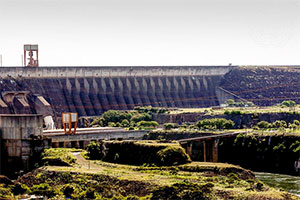 UN Power Plant, Paraguay. Credit: UN Photo/Evan Schneider
Energy has posed a great challenge for economies around the world. As global energy consumption skyrockets throughout the years, so does the need for sustainable solutions. The Sustainable Development Goals are essential in providing people with access to safe, affordable, and sustainable energy sources that minimize harm on the planet. Progress towards these goals opens the door for an advancement in modernization for communities on a global level and allows for a potential mitigation of tensions between nations.
The UN’s Summit of the Future in 2024 offered new initiatives that are being taken to achieve these goals, including a decreased reliance on fossil fuels, a switch to renewable energy sources, and improved climate financing.
IPS is well positioned to provide relevant, insightful, and compelling analysis of recent updates and measures being taken around the world to achieve a cleaner future.

The Week with IPS

NEXT STOP - SDGs
Tracking global progress towards a sustainable world
Tracking global progress towards a sustainable world
