Languages
Thursday, November 12, 2026



News and Views from the Global South
Health

New Technology Alone Won’t Halt Aflatoxin Menace, Experts Warn
In the absence of concerted efforts to raise awareness on the dangers of aflatoxin to humans and domestic animals, advances in technology for early detection of aflatoxin in cereals and seeds such as maize will come to naught, experts warn.
A Step Towards the Light: Ending Human Trafficking
A new initiative aims to use data to shed light on a pervasive multi-billion dollar criminal industry: human trafficking. Created by the International Organization for Migration and Polaris, the Counter-Trafficking Data Collaborative (CTDC) is the world’s first human trafficking data portal.
The United States: Innovation and Immobility
It is the country of paradox, based on the double column of creativity and tradition. Americans are unable to escape the twin submission to the adamnism of being the first and the last to accept that the rest of the planet can be more original and may outrank them in any field.
Oxfam’s Sexual Abuse Episode Must Inspire a Culture Shift
Sexual abuse allegations against Oxfam staff, and failings in the charity’s response to them, delivered a body blow to an organisation renowned for years of humanitarian and development work. At the very least the accusations will leave a stain on the reputation of a charity that works in some of the toughest environments in the world, and has made a positive difference in the lives of the most vulnerable.
Turning Promise into Action: Working Towards Gender Equality
Persistent and pervasive gender-based discrimination is undermining sustainable development and preventing communities and countries from reaching their full potential, said a UN agency.
Inequality also Relates to Education, Health & Illiteracy, not Wealth Alone
Antipoverty group Oxfam International got a lot of attention for claiming that there’s a global “inequality crisis,” but a far more important point is entirely neglected: globally, income distribution is less unequal than it has been for 100 years.
“No Time to Waste” in Ending FGM
More than 200 million women around the world have experienced some kind of female genital mutilation (FGM) and more could be at risk, a UN agency said.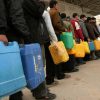
Gaza Health Sector on Verge of Collapse
UN agencies have sounded the alarm on the rapidly deteriorating humanitarian situation in Gaza, pointing to the devastating repercussions of the ongoing fuel shortages.
UN Refugee Agency Calls for Aid and Peace in South Sudan
As South Sudan quickly becomes Africa’s largest refugee and humanitarian crisis, the world must come to its aid, said the UN refugee agency. The UN Refugee Agency (UNHCR) has launched a global appeal to support displaced persons amid South Sudan’s rapidly deteriorating humanitarian situation.
Business Unusual will Drive Africa’s Quest to achieve Health Care for All
Africa’s quest for health continues to be held back by a combination of factors such as natural disasters and pandemics, prevailing high rates of communicable and rising incidence of non-communicable diseases, sedentary lifestyles, road accidents and greater population mobility.
Survival of Indigenous Tribes in Bangladesh Starts at School
Just before sundown on Jan. 30, a group of women day labourers from the Shantal indigenous community are in a rush to wind up their work harvesting potatoes in a field in the village of Boldipukur, some 15 km away from Rangpur district in northern Bangladesh.
Iraq’s Toxic Conflict
In Iraq, thirty years of armed conflict has killed hundreds of thousands of people, wounded countless more, displaced millions and laid cities and towns to waste.
Climate-Related Disasters Cost Nearly $400 Billion in 2017
I am pleased to be with you at this important and timely summit on climate risk and to discuss the opportunities that are there for us to seize through decisive climate action.
Why Humanitarian Assistance Needs Rigorous Evaluation
According to the United Nations Office for the Coordination of Humanitarian Affairs (UNOCHA) and the Financial Tracking Service (FTS), the number of people in need of humanitarian aid in 2017 rose to 141.1 million and they were located in 37 countries.
How Natural Disasters Undermine Schooling
In 2010, heavy monsoons led to devastating floods in Pakistan that destroyed 11,000 schools. Thousands of additional schools had to be used as community shelters, preventing them from operating as classrooms. In the immediate aftermath of climate-related events such as this, damage to schools and infrastructure often interrupt a child’s education.
Aid Group Shines Spotlight on the Neglected
Though 2017 was marked by stories of humanitarian disasters around the world, many crises remain under the radar with devastating consequences for those affected, a new report says.
Groups Condemn U.S. Cuts to Palestinian Refugee Agency
International organizations have criticized the United States’ decision to cut more than half of planned funding to a UN agency serving Palestinian refugees.
PPPs Likely to Undermine Public Health Commitments
The United Nations Agenda 2030 for the Sustainable Development Goals (SDGs) is being touted in financial circles as offering huge investment opportunities requiring trillions of dollars. In 67 low- and middle-income countries, achieving SDG 3 — healthy lives and well-being for all, at all ages — is estimated to require new investments increasing over time, from an initial $134 billion annually to $371 billion yearly by 2030, according to recent estimates by the World Health Organization (WHO) reported in The Lancet.
Fate of the Rohingyas – Part Two
With discussions underway between Bangladesh and Myanmar about the repatriation of more than a half a million Rohingya refugees, many critical questions remain, including how many people would be allowed back, who would monitor their safety, and whether the refugees even want to return to violence-scorched Rakhine state.
Thousands Still Dying at Sea En Route to Europe
Amid concerns that 160 people may have drowned while attempting to cross the Mediterranean this week alone, the UN refugee agency have urged countries to offer more resettlement places.
The Data Revolution Should Not Leave Women and Girls Behind
If there is one political principle that has been constant throughout the history of human civilization it is the fact that land is power. This is something that is particularly true, and often painfully so, for women who farm in Africa.« Previous Page — Next Page »





 Bangladesh: Sarid, born one month early, receives specialized newborn care and grows stronger every day. Credit: UNICEF/UNI944397/Mojumder
Since the onset of the 2000s, global life expectancy has seen an overall rise, attributed to significant technological and scientific innovations in healthcare. Due to an increased understanding of different conditions as well as a rise in cooperation among healthcare experts around the world, there have been major strides made in ensuring that as few people die from chronic illnesses as possible. Despite the belief that healthcare is a fundamental human right, people from low- or middle-class backgrounds, marginalized groups, and underdeveloped countries have far more limited access to basic healthcare services.
The COVID-19 pandemic showed how marginalized communities are disproportionately affected by health crises, proving that we have much work to do in ensuring that no one dies of terminal conditions. While the global response to the coronavirus saw significant strides in immunization and vaccine development, the global outbreak of mpox in 2022 and its upsurge in parts of Africa in 2024 must remind us to remain vigilant.
Other major disease outbreaks in recent years have been linked to the destruction of infrastructure during warfare. Notably, in 2024, the Gaza Strip witnessed a return of the poliovirus since its eradication in the region 25 years ago. Israel’s blockade on Gaza has resulted in the collapse of the region’s sewage plants and desalination plants, and also destroyed healthcare capacities. The UN stated that this lack of clean water and sanitation would lead to an outbreak of cholera and other deadly infectious diseases. The 2026 OCHA Humanitarian Situation Report confirmed that the over two years of conflict in Gaza has produced a catastrophic health emergency, with millions remaining dependent on relief aid amid tight restrictions and no functioning public health system.
IPS is committed to providing full and comprehensive coverage on healthcare challenges around the world. IPS seeks to address the multifaceted causes of such challenges, including unprecedented pandemics, conflict-driven disease outbreaks, as well as socioeconomic barriers to equal healthcare access. IPS is also dedicated to reporting on innovations in the healthcare industry.

The Week with IPS

NEXT STOP - SDGs
Tracking global progress towards a sustainable world
Tracking global progress towards a sustainable world
