Languages
Thursday, November 19, 2026



News and Views from the Global South
Health
KENYA: Civil Society Defends Access to Generic Drugs
Access to affordable medicine for millions of people in the South could be at risk if the production and distribution of generic medicine from India is restricted.ARGENTINA: Early Treatment Can Stop Stuttering in Children
British actor Colin Firth's sensitivity and skill in portraying one man's determination to overcome stuttering, in "The King's Speech", did more than any campaign in Argentina to show people that with timely intervention, the lives of tens of thousands of children can change.Zimbabweans Turn to Indigenous Medicine
Zimbabwe's government recently announced that the country had run out of the critical painkiller morphine. It was just the latest development in a debilitating health care crisis that has seen hospitals turn away patients because of drug shortages.
PAKISTAN: Injecting Disease With Medicine
Once every two weeks, 45-year-old Perween Riaz enters a place with a sign outside that says "Ghazi Medical Centre" where she gets injections for headache and nausea from someone people know is not a real doctor.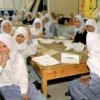
U.N. Task Force Pushes for Investment in Teen Girls
Risk of sexual violence, limited access to education, and health issues such as HIV/AIDS and forced female genital mutilation/cutting are just a few of the obstacles adolescent girls face in developing countries, yet these girls are the key to the future and the eradication of poverty, stress experts at the U.N. Commission on the Status of Women (CSW).HEALTH-BURMA: Global Fund Back With New Hope
Burma’s transition from an overt military rule to a civilian administration of retired generals is getting a shot in the arm from a former critic of the junta – the Global Fund to Fight AIDS, Tuberculosis and Malaria.ENVIRONMENT: Dioxin Levels Soar on Icelandic Farms
In the northwestern Icelandic town of Isafjordur, milk is causing pandemonium. A local milk marketing board recently tested one farm’s milk for the presence of harmful chemicals. Dioxin, and dioxin-like compounds, were found to be present in amounts higher than the recommended maximum levels, threatening the future of local farmers, and angering residents.Anti-Gay Laws Fuel HIV
Outdated laws that treat same-sex relations as a crime in a third of Asia-Pacific countries fuel fresh HIV infections, especially among men who have sex with men (MSM), a most vulnerable community.
PERU: Nutritional Supplement Programme Big Business for a Few
Peru's Glass of Milk Programme (PVL) is failing in its aim of providing nutritional supplements to all poor children in Peru. But it has been a big business opportunity for the handful of companies that supply the programme, according to a special audit report seen by IPS.U.S.: Environment Agency Moves to Regulate Carbon Dioxide
The U.S. Environmental Protection Agency (EPA) has begun the initial stages of a process that may lead to the federal agency's first regulations to limit emissions of carbon dioxide from power plants and oil refineries.A World Going Hungry
In an era of mass consumption in the West, the developing world is entering its second major hunger crisis in three years, with new figures from the World Bank showing food price hikes have forced 44 million people into economic hardship since last June.Great Green Wall to Stop Sahel Desertification
Imagine a green wall - 15 kilometres wide, and up to 8,000 kilometres long - a living green wall of trees and bushes, full of birds and other animals. Imagine it just south of the Sahara, from Djibouti in the Horn of Africa in the east, all the way across the continent to Dakar, Senegal, in the west.CHINA: Men Becoming More Suicide-Prone
While new research indicates that China’s overall suicide rate has been in decline for the last two decades, some segments of the population – including urban males and the elderly – are increasingly likely to take their own lives, the result of breakneck social change in the world’s most populous country.U.S.: Women’s Health in Crosshairs of Republican Congress
Republicans in the U.S. House of Representatives are seeking to eliminate the federal family planning programme and cut funding from Planned Parenthood, one of the country's leading providers of reproductive health care to low-income women.ARGENTINA: Sustained Effort Needed to Eradicate Chagas’ Disease
One of the potential impacts of climate change that arouses most concern is an increase in diseases transmitted by tropical insects, like Chagas' disease, Argentina's main endemic illness.
ECUADOR: Still a Ways to Go, After Historic Ruling Against Chevron
The plaintiffs in the case against Chevron tried in Ecuador, who won a historic 9.5 billion dollar verdict after a nearly 18-year struggle over environmental and health damages caused in a quarter-century of oil operations in the Amazon jungle, are not disheartened by the road still ahead.
CHINA: Deaths Rise With Smoke
Five years ago China pledged to ban smoking in all indoor public places by January of this year. That promise remains unfulfilled and is today symbolic of the lack of progress made in the fight against tobacco use in China, where up to a million people die of smoking-related complications each year.Obama AIDS Plan Stumbles over Funding
When U.S. President Barack Obama raised the curtain on a six- year, six-billion-dollar Global Health Initiative (GHI) in May 2009, he appeared to be embarking on the path of promises that paved the way to his election victory earlier that year.US: Prisoners Have No Choice But to Drink Arsenic-Laced Water
When Kern Valley State Prison opened in 2005, the 379 million dollar facility in Central California was hailed as "state of the art". But within weeks of opening, a major problem was discovered: its water was poisoned - containing roughly twice the federally permitted level of arsenic, a known carcinogen.INDIA: Stemming Experiments in Stem Cells
Hundreds of patients are now streaming into stem cell therapy clinics all over India, despite the controversy surrounding stem cell research and even though, doctors say, no one has yet been cured by this technology.Pakistan Sinking Into Water Crisis
Pakistan is still reeling from flooding that caused one of the world's costliest natural disasters in 2010, with millions of people lacking shelter, infrastructure in ruins and donations falling short of appeals. But worse may come.« Previous Page — Next Page »


 Bangladesh: Sarid, born one month early, receives specialized newborn care and grows stronger every day. Credit: UNICEF/UNI944397/Mojumder
Since the onset of the 2000s, global life expectancy has seen an overall rise, attributed to significant technological and scientific innovations in healthcare. Due to an increased understanding of different conditions as well as a rise in cooperation among healthcare experts around the world, there have been major strides made in ensuring that as few people die from chronic illnesses as possible. Despite the belief that healthcare is a fundamental human right, people from low- or middle-class backgrounds, marginalized groups, and underdeveloped countries have far more limited access to basic healthcare services.
The COVID-19 pandemic showed how marginalized communities are disproportionately affected by health crises, proving that we have much work to do in ensuring that no one dies of terminal conditions. While the global response to the coronavirus saw significant strides in immunization and vaccine development, the global outbreak of mpox in 2022 and its upsurge in parts of Africa in 2024 must remind us to remain vigilant.
Other major disease outbreaks in recent years have been linked to the destruction of infrastructure during warfare. Notably, in 2024, the Gaza Strip witnessed a return of the poliovirus since its eradication in the region 25 years ago. Israel’s blockade on Gaza has resulted in the collapse of the region’s sewage plants and desalination plants, and also destroyed healthcare capacities. The UN stated that this lack of clean water and sanitation would lead to an outbreak of cholera and other deadly infectious diseases. The 2026 OCHA Humanitarian Situation Report confirmed that the over two years of conflict in Gaza has produced a catastrophic health emergency, with millions remaining dependent on relief aid amid tight restrictions and no functioning public health system.
IPS is committed to providing full and comprehensive coverage on healthcare challenges around the world. IPS seeks to address the multifaceted causes of such challenges, including unprecedented pandemics, conflict-driven disease outbreaks, as well as socioeconomic barriers to equal healthcare access. IPS is also dedicated to reporting on innovations in the healthcare industry.

The Week with IPS

NEXT STOP - SDGs
Tracking global progress towards a sustainable world
Tracking global progress towards a sustainable world
