Languages
Saturday, November 21, 2026



News and Views from the Global South
Health
BURMA: 'Junta Aid Blocks Could Multiply Cyclone Toll'
Burma’s military regime may soon face charges of allowing tens of thousands of its own people to die through incompetence and bureaucratic red-tape placed in the way of international relief efforts for over one million cyclone victims in the country.
BURMA: Junta Does U-Turn on Relief Aid
The military government of Burma (Myanmar), in a dramatic turnaround, has offered to cooperate with the United Nations in its massive relief efforts in the cyclone-devastated country where the death toll could exceed 100,000.COLOMBIA: Therapeutic Abortion – A Right in Name Only?
A woman in Pasto, the capital of the western Colombian province of Nariño, found out that the baby she was expecting was severely deformed. But when she went to the provincial university hospital for an abortion, the chief obstetrician gynaecologist told her that "If your son is born deformed, take him to a circus."
BURMA: UN Aid Arrives, But Many Doors Still Closed
As the first U.N. relief planes landed in Yangon early on Thursday, humanitarian officials complained that the aid flowing into cyclone-devastated Burma (Myanmar) is still encountering bureaucratic obstacles that are threatening the lives of desperate survivors.IRAQ: Running Out of Water in Rising Heat
Water supply is drying out in what was once the agriculturally rich Diyala province north of Baghdad. Baquba, the capital city of Diyala, is now running out of water both for drinking and for irrigation.LATIN AMERICA: South-South Cooperation to Fight Child Malnutrition
Cooperation between Latin American countries, which is cheap, efficient and horizontal, could fast-track the fight against child malnutrition, Nils Kastberg, the regional director of the United Nations Children’s Fund (UNICEF), said at a conference held in the Chilean capital.DEVELOPMENT: U.N. Bodies Under Fire for Food Crisis
As the Food and Agriculture Organisation (FAO) readies for a summit of world leaders next month, Secretary-General Ban Ki-moon Monday defended the Rome-based U.N. agency, which has come under fire for its failure to help meet the growing challenges of hunger worldwide.DEVELOPMENT-ZAMBIA: Counting the Cost of Recent Floods
Samson Mwenda, a farmer from Namwala in Zambia’s Southern Province, recalls with bitterness the massive floods of the 2007/2008 rainy season and the harsh consequences they had for his life.
ENVIRONMENT: “Doctor” Nature in Danger
"When we harm nature, we are harming ourselves," says Aaron Bernstein, a doctor at Harvard Medical School and one of the authors of the upcoming book "Sustaining Life: How Human Health Depends on Biodiversity".RIGHTS-US: Vets Await Verdict in Class Action Lawsuit
Arturo Gonzalez delivered his closing arguments inside a packed courtroom on the 17th floor of the Federal Building in downtown San Francisco.MOZAMBIQUE: Officials Master Floods – But Battle To Contain Diseases That Follow
More people have died of cholera following recent floods in Mozambique than the number of those who perished in the rising floodwaters. Most rivers in central and northern Mozambique burst their banks after heavy rains in December, January and February, and as a result of Cyclone Jokwe - which hit in early March.Q&A: Circumcision an “Opportunity To Take Great Strides Forward” Against HIV
Results from trials in South Africa, Kenya and Uganda in 2006 showed that male circumcision reduced the transmission of HIV from women to men by up to 60 percent. On the basis of these results, the Joint United Nations Programme on HIV/AIDS and the World Health Organisation have recommended that countries encourage men to be circumcised.HEALTH-SOUTH AFRICA: Where Have the Piglets Gone?
Each psychiatric patient leaving Tower Hospital in the Eastern Cape Province under a new project to integrate patients into the community is sent home with two piglets. While at the hospital, patients are trained to raise pigs, the hope being that they will use the piglets for breeding to develop a sustainable source of income once discharged.DEVELOPMENT: Food Crisis May Get Worse Before it Gets Better
The spreading food crisis - triggered primarily by rising prices, declining outputs and growing scarcities worldwide - is threatening to impact heavily on the most vulnerable in society: women and children.ARGENTINA: Training Health Agents to Reduce Child Mortality
An ambitious new programme for training health agents to help reduce infant mortality in small rural communities and indigenous villages, launched by one of Argentina’s best-known human rights groups, drew many more applicants than the organisers had hoped for.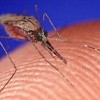
HEALTH: Malaria Campaigns Ramp Up Focus on Bed Nets
With a million people a year still dying from malaria, the United Nations is leading a new campaign to provide universal coverage of essential malaria control measures - particularly bed nets - in Africa by the end of 2010.
HEALTH-TANZANIA: A Hazardous Route to the Cradle
Tatu Shabani Tumbo's first born was diagnosed with strength-sapping anaemia, and died a toddler. Doctors had no medical explanation for the sudden death of her second child at age one. She then tried to get pregnant a third time, initially without success.
HEALTH-DR CONGO: Water Everywhere, But Is It Safe To Drink?
The rain falls in battering sheets, rolling eastward along the Congo River through Kinshasa, capital of the Democratic Republic of Congo (DRC). It is midday, but the sky turns black and soon the potholed streets of this decrepit yet vibrant metropolis are filled with pond-sized puddles, many of them larger than the cars that traverse them.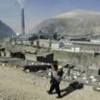
ENVIRONMENT-PERU: US-Owned Smelter Fined for Pollution
The U.S. company running a large multi-metal smelter in the Peruvian city of La Oroya, one of the most polluted places on earth, is facing sanctions for violating air quality standards.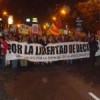
CHILE: Thousands Protest Ban on "Morning-After" Pill
More than 15,000 people marched in the Chilean capital Tuesday evening to protest a Constitutional Court ruling that banned the free distribution of the "morning-after" pill by the public health system.RIGHTS-US: Vets’ Lawsuit Opens Door on Suicides, Poor Care
The United States government does such a bad job of caring for wounded war veterans, advocates told a federal judge here Monday, that 18 veterans commit suicide every week.« Previous Page — Next Page »


 Bangladesh: Sarid, born one month early, receives specialized newborn care and grows stronger every day. Credit: UNICEF/UNI944397/Mojumder
Since the onset of the 2000s, global life expectancy has seen an overall rise, attributed to significant technological and scientific innovations in healthcare. Due to an increased understanding of different conditions as well as a rise in cooperation among healthcare experts around the world, there have been major strides made in ensuring that as few people die from chronic illnesses as possible. Despite the belief that healthcare is a fundamental human right, people from low- or middle-class backgrounds, marginalized groups, and underdeveloped countries have far more limited access to basic healthcare services.
The COVID-19 pandemic showed how marginalized communities are disproportionately affected by health crises, proving that we have much work to do in ensuring that no one dies of terminal conditions. While the global response to the coronavirus saw significant strides in immunization and vaccine development, the global outbreak of mpox in 2022 and its upsurge in parts of Africa in 2024 must remind us to remain vigilant.
Other major disease outbreaks in recent years have been linked to the destruction of infrastructure during warfare. Notably, in 2024, the Gaza Strip witnessed a return of the poliovirus since its eradication in the region 25 years ago. Israel’s blockade on Gaza has resulted in the collapse of the region’s sewage plants and desalination plants, and also destroyed healthcare capacities. The UN stated that this lack of clean water and sanitation would lead to an outbreak of cholera and other deadly infectious diseases. The 2026 OCHA Humanitarian Situation Report confirmed that the over two years of conflict in Gaza has produced a catastrophic health emergency, with millions remaining dependent on relief aid amid tight restrictions and no functioning public health system.
IPS is committed to providing full and comprehensive coverage on healthcare challenges around the world. IPS seeks to address the multifaceted causes of such challenges, including unprecedented pandemics, conflict-driven disease outbreaks, as well as socioeconomic barriers to equal healthcare access. IPS is also dedicated to reporting on innovations in the healthcare industry.

The Week with IPS

NEXT STOP - SDGs
Tracking global progress towards a sustainable world
Tracking global progress towards a sustainable world
