Languages
Saturday, October 10, 2026



News and Views from the Global South
Humanitarian Emergencies

UN Mobilizes Amid Cascading Earthquakes in Eastern Afghanistan, Aiming to ‘Build Back Better’
United Nations aid organizations are rallying after a series of earthquakes and powerful aftershocks wreaked unprecedented havoc across eastern Afghanistan—particularly in the mountainous provinces of Kunar and Nangarhar.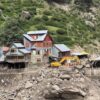
‘Tell Us When the Next Storm Will Come’—Human Stories From Kashmir’s Deadliest August
The relentless rain that battered the mountains and valleys of Jammu and Kashmir this August shattered lives and records.
African Debt & Climate Change: How the ICJ’s Vanuatu Ruling Could be Used for Broader Justice
African sovereign debtors in distress face terrible choices. They are often forced to choose between fully paying their creditors and financing the needs of their populations – health, education, renewable energy, water.
UN Reforms Include “Painful Staff Reductions”—and Forcible Return to Home Countries
The 193-member General Assembly, the UN’s highest policy-making body, will make the ultimate decision on the proposed UN restructuring, which will include staff cutbacks, merging or eliminating of departments and relocating UN agencies from high-cost to low-cost locations.
‘Israeli Offensive in Gaza City an Existential Threat to the Two-State Solution’
Ahead of the Security Council meeting on the situation in the Middle East, United Nations Secretary-General António Guterres spoke to the press on the “unfolding tragedy that is Gaza,” calling Israel’s new plans to take over Gaza City with the military a “deadly escalation” and an “existential threat to the two-state solution.”
Afghan Journalism Under Siege: Arrests, Censorship, and Collapse
Ahmad Siyar works in road construction in Balkh province. He wears a safety helmet to protect himself from debris constantly falling from the mountain where the road is being built. Once, he wore the same type of helmet for a very different reason. He was reporting from various parts of northern Afghanistan. Back then, his helmet bore the word “Journalist” in both Dari and English.
President Trump: You Must Stop Netanyahu’s Second Genocide in Gaza
President Trump, you are the only leader who can stop Netanyahu from committing another genocide in Gaza. The whole world is watching. Do not allow yourself to become an accessory to the murder of thousands of innocent Palestinian women and children and the utter destruction of what’s left of Gaza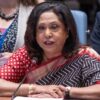
Sexual Violence Against Women, Children in War ‘Strategic’ and Growing
Sexual violence against women and children during wars should not be considered collateral damage. "It is strategy, it is systematic, and it is used more and more," Permanent Representative of Denmark to the United Nations (UN) Christina Markus Lassen said.
Aid Funding Crisis Means Parliamentarians’ Visionary Leadership Even More Crucial
As funding for sexual and reproductive health rights was on a “cliff edge,” parliamentarians now needed to play a “visionary” leadership role because “financing strong, resilient health systems for all their people rests with governments,” said Dr. Alvaro Bermejo, Director General of the International Planned Parenthood Federation (IPPF).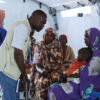
UNICEF to Deliver 1.4 million Cholera Vaccines to Sudan Amid Supply Chain Breakdowns
In Tawila, North Darfur State in Sudan, more than 1,180 cholera cases, including 300 cases in children, and at least 20 deaths have been reported since the first case was detected on June 21. Tawila has absorbed 500,000 internally displaced people who are escaping violence, many of them fleeing about seventy kilometers from the state capital of Al Fasher, making this rapid surge in cases a major health concern amidst worsening hygiene, medical, and food supply chain deteriorations.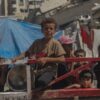
IPC Officially Declares Famine; More than Half a Million Starving in Gaza
The Integrated Food Security Phase Classification (IPC) has officially declared that there is famine in Gaza. The world’s biggest food monitoring system raised its classification to Phase 5, the highest level on its food insecurity scale.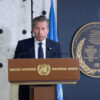
2025 Is On Track To Mark The Deadliest Year for Humanitarian Aid Workers
World Humanitarian Day (August 19) honors humanitarian aid workers, raises public awareness for humanitarian crises, and advocate for strengthened international cooperation. Through this year’s theme, A Call to #ActForHumanity, the United Nations underscored the need for increased funding for lifesaving humanitarian missions, stronger protections for aid personnel, and accountability for violations of international law.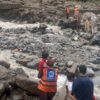
Swept Away: Flash Floods, Failed Systems Bane of Pakistan’s North
Intense rainfall over small areas in Pakistan’s mountainous regions caused massive destruction, sweeping away entire villages. On August 15, the district of Buner in Khyber Pakhtunkhwa (KP) province experienced a weather anomaly in which glacier melt and intense monsoon rains caused floods that buried villages under mud and rock.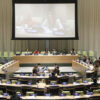
Can the UN Trusteeship Council be an Important Part of the Solution in the Middle East?
Many feel desperation and anger that the genocide of the Palestinians is not being stopped. How can the US, Germany and others continue to pour funds and weapons into Israel despite decisions in the UN's highest bodies indicating complicity in accordance with the Convention against Genocide?
In Gaza, “the Most Ordinary Things Can Kill”
It’s 8am when Nasser Hospital in Gaza opens its doors. Aitor Zabalgogeazkoa, Doctors Without Borders’ emergency coordinator in the besieged territory, has already been at work for more than three hours.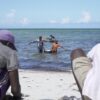
Environmentalists Confident Case Against US Funding of Mozambique LNG Project Will Succeed
Environmental campaign groups are confident that a suit filed in the United States, seeking to stop the country’s Export-Import Bank (EXIM) from the ‘unlawful’ lending of nearly USD 5 billion to the controversial Mozambique Liquefied Natural Gas (LNG) project, will succeed.
UN Report Uncovers “Systematic Torture” in Myanmar
Myanmar’s security situation has deteriorated significantly, with the nation still reeling from the devastating earthquake in March last year, and continued military offensives driven by the ongoing civil war. In 2025, the humanitarian crisis reached a critical turning point, with the United Nations (UN) underscoring a litany of severe human rights abuses inflicted on civilians by the military and armed groups.
UN Staff Federation Remembers with Sorrow the Many who have Fallen in the Line of Duty
On this World Humanitarian Day, the members of CCISUA Staff Federation honour colleagues who dedicate their lives to protecting people in crisis, and we remember with sorrow the many who have fallen in the line of duty.
UN Security Council Confronts South Sudan’s ‘Compounding Crises’
The UN Security Council convened today (August 18) to discuss South Sudan and the "interlinked challenges of climate change and conflict" affecting the region.
Visualizing a Sustainable Future: The Intersection of Art and Climate Justice
In the 1900s, global discussions around climate change and fossil fuel usage reached new heights, leading to the emergence of climate change art. Since then, it has remained a key theme in contemporary art, with artists and corporations alike continuing to push messages of climate reform to instill a sense of urgency, fear, and shared responsibility in viewers.
World Leaders Take a Stand as Outrage Against Israel Increases
The world is becoming increasingly outraged at Israel for its actions in the ongoing war against Hamas, particularly amid the recent killings of Palestinian journalists and Israel’s announcement of its plan to seize complete military control of the Gaza Strip.« Previous Page — Next Page »





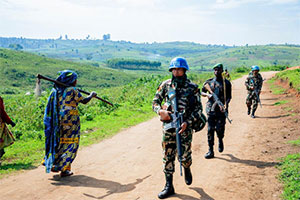 MONUSCO Peacekeepers and FARDC Soldiers Patrol Fataki Area. Credit: UN Photo/Jorkim Jotham Pituwa
Conflict, human rights violations, natural disasters, and famine have been at the forefront of concerns for humanitarian organizations. The escalation of humanitarian crises has led to over 239 million people in need of humanitarian assistance at the start of 2026, as estimated by OCHA’s Global Humanitarian Overview. The 2025 humanitarian appeal received only $12 billion, the lowest funding in over a decade, which has left 24 million fewer people reached in comparison to 2024. Conflict has remained the primary driver of crisis.
Humanitarian emergencies massively impact progress towards the Sustainable Development Goals (SDGs), adversely affecting economic development, inequality, education, planetary well-being, and poverty. Millions of people are faced with reduced access to essential services, including shelter, food, healthcare, and access to clean drinking water. UN Organizations such as UNHCR and the United Nations Children’s Fund (UNICEF) are committed to providing direct relief to affected communities when state governments cannot.
The United Nations 2024 Summit of the Future discussed measures that will be taken to reduce global inequality and promote peacekeeping efforts around the world. The recent UN Climate Change Conference (COP30) in Belém, Brazil, agreed to mobilize $1.3 trillion annually for climate action by 2035, operationalize the loss and damage fund, and triple adaptation finance. However, a fossil fuel transition commitment was not secured, despite climate change and the greenhouse effect being major contributors to humanitarian crises worldwide.
Countries across the world have also rallied to end humanitarian crises, as witnessed in conflicts such as Palestine and Ukraine. IPS is committed to providing relevant and in-depth reports of humanitarian emergencies around the world and their implications.

The Week with IPS

NEXT STOP - SDGs
Tracking global progress towards a sustainable world
Tracking global progress towards a sustainable world