Languages
Wednesday, November 4, 2026



News and Views from the Global South
Development & Aid

‘Israeli Offensive in Gaza City an Existential Threat to the Two-State Solution’
Ahead of the Security Council meeting on the situation in the Middle East, United Nations Secretary-General António Guterres spoke to the press on the “unfolding tragedy that is Gaza,” calling Israel’s new plans to take over Gaza City with the military a “deadly escalation” and an “existential threat to the two-state solution.”
Afghan Journalism Under Siege: Arrests, Censorship, and Collapse
Ahmad Siyar works in road construction in Balkh province. He wears a safety helmet to protect himself from debris constantly falling from the mountain where the road is being built. Once, he wore the same type of helmet for a very different reason. He was reporting from various parts of northern Afghanistan. Back then, his helmet bore the word “Journalist” in both Dari and English.
The Right to Care: A Feminist Legal Victory That Could Change the Americas
On 7 August, the Inter-American Court of Human Rights delivered a groundbreaking decision that could transform women’s lives across the Americas. For the first time in international law, an international tribunal recognised care as an autonomous human right. Advisory Opinion 31/25, issued in response to a request from Argentina, elevates care – long invisible and relegated to the private sphere – to the level of a universal enforceable entitlement.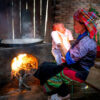
Can the Asia-Pacific Region Deliver Clean, Affordable Energy by 2030?
The future of the global energy landscape will be shaped by Asia and the Pacific. Over the past two decades, our region has been the principal driver of global energy demand and emissions. Energy has powered prosperity, lifted millions out of poverty and transformed societies.
Intensified Legal, Political, and Grassroots Battles Over Amazon Oil Expansion
A report has warned about the risks of expanding oil and gas exploration in the Colombian Amazon, which may undermine environmental goals, Indigenous rights, and long-term economic stability, unless the government pivots toward sustainable development pathways.
From Endurance to Resilience: The Future of Development in Latin America & the Caribbean
The development trajectory of Latin America and the Caribbean is going through a period of unprecedented vulnerability and uncertainty. The significant achievements of past decades, as well as the possibility of continuing to make progress, are under threat from the impact of growing geopolitical tensions, unresolved structural challenges, and an increase in crises of various kinds—environmental, political, health, technological, and social.
Hypertension and Diabetes Grows Among India’s Poor Communities
Generally thought to be diseases of the wealthier classes, non-communicable diseases (NCDs) like hypertension and diabetes are on the rise among India’s underprivileged working classes in semi-urban and rural sprawls.
President Trump: You Must Stop Netanyahu’s Second Genocide in Gaza
President Trump, you are the only leader who can stop Netanyahu from committing another genocide in Gaza. The whole world is watching. Do not allow yourself to become an accessory to the murder of thousands of innocent Palestinian women and children and the utter destruction of what’s left of Gaza
When Disasters Strike, Homes are Destroyed, Livestock Lost, Crops Fail or Local Economies Collapse
As climate change intensifies, disasters like hurricanes, floods, droughts and wildfires are becoming more frequent and devastating. Rising sea levels are further threatening coastal communities, putting millions at risk. Strengthening disaster preparedness and resilience is now essential to protect lives and mitigate long-term climate impacts.
A New Non-Alignment for the Global South
The Global South had little voice, let alone influence, in shaping the economically ‘neoliberal’ and politically ‘neoconservative’ globalisation leading to contemporary geopolitical economic conflicts. Pacifist non-aligned cooperation for sustainable development offers the best way forward.
Sexual Violence Against Women, Children in War ‘Strategic’ and Growing
Sexual violence against women and children during wars should not be considered collateral damage. "It is strategy, it is systematic, and it is used more and more," Permanent Representative of Denmark to the United Nations (UN) Christina Markus Lassen said.
Government Constructions Hit Water Recharge Area in El Salvador
Two construction projects pushed by the government of El Salvador, in a water recharge area adjacent to the country's capital, on the slopes of the San Salvador volcano, threaten to make the area more vulnerable and increase the risk of flooding in the city's poor neighborhoods downstream.
The Asbestos Crisis Isn’t Over — Reversing the Ban Would Make It Worse
For more than a century, asbestos was an indispensable fixture in the American industry, particularly the military. This versatile natural mineral was widely utilized to line Navy ships and strengthen their installations. What many were unaware of was that once damaged, asbestos-containing materials (ACMs) can release toxic fibers that could lodge in tissues covering internal organs of those exposed, where they build up over time.
Aid Funding Crisis Means Parliamentarians’ Visionary Leadership Even More Crucial
As funding for sexual and reproductive health rights was on a “cliff edge,” parliamentarians now needed to play a “visionary” leadership role because “financing strong, resilient health systems for all their people rests with governments,” said Dr. Alvaro Bermejo, Director General of the International Planned Parenthood Federation (IPPF).
Zanzibar’s Blue Economy Offers Hope Amid Rising Seas and Gender Inequity
At dawn on the white-sand shores of Jambiani, 45-year-old Saada Juma braces herself against the pull of the tide, wrangling ropes laced with seaweed. Her hands, hardened by decades of labor, move instinctively as she secures her aquatic crop.
UNICEF to Deliver 1.4 million Cholera Vaccines to Sudan Amid Supply Chain Breakdowns
In Tawila, North Darfur State in Sudan, more than 1,180 cholera cases, including 300 cases in children, and at least 20 deaths have been reported since the first case was detected on June 21. Tawila has absorbed 500,000 internally displaced people who are escaping violence, many of them fleeing about seventy kilometers from the state capital of Al Fasher, making this rapid surge in cases a major health concern amidst worsening hygiene, medical, and food supply chain deteriorations.
Feminist Electrification: the Power Africa Needs
Chad is one of the most extreme examples of energy poverty, with just 10% of the population connected to electricity, a rural electrification rate below 2%, and a global per capita electricity consumption rate that’s just 18% of the global average. This hinders its economic development.
IPC Officially Declares Famine; More than Half a Million Starving in Gaza
The Integrated Food Security Phase Classification (IPC) has officially declared that there is famine in Gaza. The world’s biggest food monitoring system raised its classification to Phase 5, the highest level on its food insecurity scale.
Who Should Lead the UN Development Programme?
In June this year, UNDP bade farewell to Achim Steiner. The ninth Administrator in UNDP’s history had completed a second four-year term in office.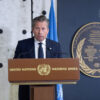
2025 Is On Track To Mark The Deadliest Year for Humanitarian Aid Workers
World Humanitarian Day (August 19) honors humanitarian aid workers, raises public awareness for humanitarian crises, and advocate for strengthened international cooperation. Through this year’s theme, A Call to #ActForHumanity, the United Nations underscored the need for increased funding for lifesaving humanitarian missions, stronger protections for aid personnel, and accountability for violations of international law.
Boosting Trade in the World’s Least Developed Countries – The Power of Technology
Artificial intelligence and the use of frontier technologies are already transforming trade and boosting prosperity, particularly for developed and some developing countries. This ranges from the digital exchange of documents, the digitalisation of trade processes and leveraging online platforms to fast-track cross-border trade.« Previous Page — Next Page »





 2026 High-level Political Forum on Sustainable Development. Credit: UN Photo/Eskinder Debebe
In 2015, the United Nations and its Member States adopted the Sustainable Development Goals (SDGs) in an effort to make the world a more sustainable and peaceful place for future generations. Progress on the 17 SDGs has been uneven, and inequality persists across the globe. 10 years after adoption, the 2025 UN SDGs Report revealed that only 35% of the SDG targets are on track, with more than half moving too slowly, and 18% moving backwards from the 2015 baseline. Poverty remains one of the world’s most pressing issues, with hunger, violence, and inequality impeding the opportunities for all people to achieve success. In September 2024, the United Nations Summit of the Future introduced a new goal: to eradicate global poverty by 2030, ensure universal rights to basic services, and increase the overall standard of living in terms of industrialization, economic well-being, citizen health, and literacy. Furthermore, recent shifts in United States foreign aid policy – notably, major budget cuts to USAID and the termination of thousands of development programmes– have severely threatened vital lifelines of financial aid to impoverished communities around the world. Additionally, the United States’ withdrawal from the Paris Climate Agreement has undercut international efforts at sustainable development. With the upcoming 2030 deadline, the UN Secretary-General has called for urgent multilateralism across six priority areas: food systems, energy, digital connectivity, education, jobs and social protection, and climate and biodiversity. IPS sheds light on marginalized communities that struggle on a daily basis to survive and have their stories heard and respected.
Updated by Yilan Batista and Shuli Wong August 2026

The Week with IPS

NEXT STOP - SDGs
Tracking global progress towards a sustainable world
Tracking global progress towards a sustainable world
