Languages
Tuesday, November 10, 2026



News and Views from the Global South
Poverty & SDGs

LGBT Communities Silenced in HIV Reduction Efforts
Treatment for HIV and AIDS has increased, but key populations including lesbian, gay, bisexual and transgender (LGBT) communities continue to be left behind and even excluded altogether.
Closing the Gaps in Fight Against Wildlife Trafficking in Latin America
Although it violates the international conventions that regulate the wildlife trade, it is possible to go online and find websites to buy, for example, axolotl salamanders (Ambystoma mexicanum) or spiny softshell turtles (Trionyx spiniferus).Is Good Governance Key To Eliminating Poverty?
For over a decade, much of the international development community, led by the OECD and the World Bank, promoted ‘good governance’ as a pre-requisite for economic development and poverty eradication. Good governance became the explanation for the failure of the structural adjustment programmes (SAPs) to deliver economic growth and poverty reduction. The link between good governance and poverty eradication is premised on the presumption that good governance promotes economic growth and development. It was presumed that SAPs were good for growth and the poor.
Battered by Storms, Sri Lanka Rethinks Food Security
The picture could be straight out of a tourist postcard – a sleepy green mountain with misty clouds floating above the canopy – if not for one fatal flaw: the ugly gash running right through the middle.
Young African Women More Vulnerable to HIV
When Lebogang Brenda Motsumi was 16 years old she fell pregnant, terrified about what her life would look like, she went to a backdoor clinic for an abortion.
Time to Change Expectations: Zero Retribution to Zero Tolerance
The drugging, abduction and violent gang rape of a 16-year-old girl in Rio de Janeiro, Brazil calls us all to turn the tide of sexual violence against women and girls in Brazil and in every country in the world.
It’s Time to Tell Livestock’s Untold Secret
As nations attempt to usher in a new era of global development, seeking to satisfy both the Paris climate agreement and Sustainable Development Goals, there is one natural resource that has remained untapped.
Banking on the Milk of Human Kindness
The recent launch of Amaara, New Delhi's first human milk bank, has been greeted with much cheering. The initiative endorses the long-term goal of reducing infant mortality and addresses the critical issue of lack of mothers' milk for physically fragile newborns in India's capital city.
Can Poor Countries Combat Big Tobacco Too?
This year for World No Tobacco Day on May 31 the World Health Organization has recommended that countries adopt plain packaging as a way to reduce tobacco use, however so far mostly only rich countries have been able to afford to implement the changes.
African Leaders Make an Economic Case for Increased Nutrition Investments
Africa’s contribution to global malnutrition statistics is miserably high, with 58 million children under the age of five said to be too short for their age, while 13.9 million weigh too little for their height.
Achieving Universal Access to Energy; Africa Caught Between a Rock and a Hard Place
“It is unacceptable that 138 years after Thomas Edison developed the light bulb, hundreds of millions of people cannot have access to electricity to simply light up the bulb in Africa,” says Africa Development Bank (AfDB) Group President, Akinwumi Adesina, mourning the gloomy statistics showing that over 645 million people in Africa lack access to electricity, while over 700 million are without clean energy for cooking.
When the UN Comes Under Heavy Fire
When heads of government and foreign ministers make their annual pilgrimage to the United Nations in September, it is rare to hear hard-hitting, headline-grabbing political statements from the podium.The Price of Non-Governmental Growth
It is well known that since the 1980s, Bangladesh has made astonishing progress on a wide variety of development indicators such as reducing the prevalence of extreme hunger and poverty, increasing primary education enrolment rates, and reducing child and maternal mortality. This progress has been mirrored by an impressive record of sustained GDP growth, spanning decades. In contrast to these successes, the quality of our democratic institutions has languished to the point where they now threaten to undermine all these hard-won gains. This article argues that the provision of public goods and services by non-governmental organisations (NGOs) has not only contributed to these successes, but also to this failure.
Menstrual Hygiene Gaps Continue to Keep Girls from School
Around the world girls are struggling to stay in school when their menstrual hygiene needs are forgotten or ignored, yet the water, sanitation and hygiene (WASH) and education sectors have remained reluctant to address the issue.
Malawi’s Drought Leaves Millions High and Dry
It’s Saturday, market day at the popular Bvumbwe market in Thyolo district. About 40 kilometers away in Chiradzulu district, a vegetable vendor and mother of five, Esnart Nthawa, 35, has woken up at three a.m. to prepare for the journey to the market.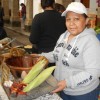
Traditional Mexican Recipes Fight the Good Fight
In a clay pot, Araceli Márquez mixes tiny Mexican freshwater fish known as charales with herbs and a sauce made of chili peppers, green tomatoes and prickly pear cactus fruit, preparing a dish called mixmole.
UNFPA Funding Cuts Threaten Women’s Health in Poorer Nations
The UN Population Fund (UNFPA), which has played a key role in ensuring maternal health and promoting reproductive rights of millions of women world-wide, is expected to suffer over $140 million in funding cuts by Western donors this year.
A Disaster-in-Waiting
In a recent interview with BBC, India's minister of water resources Uma Bharti unveiled her government's massive plan to divert major rivers including the Ganges and Brahmaputra. According to the Guardian, the project is just waiting for a rubber stamp from the environment ministry of India. While we do not want to be alarmists, it is hard to ignore the fact that, if implemented, the project will rob Bangladesh, a riverine country, of her very lifelines.
Poorest Countries Have Progressed but Fragile Countries Lag Behind
The world's poorest countries are making development gains, yet challenges remain, particularly for so-called fragile countries affected by conflict or other disasters.
The Humanitarian Clock Is Ticking, The Powerful Feign Deafness
The humanitarian clock is now ticking away faster than ever, with over 130 million of the world’s most vulnerable people in dire need of assistance. But the most powerful, richest countries—those who have largely contributed to manufacturing it and can therefore stop it, continue to pretend not hearing nor seeing the signals.
New and Old Vaccines Still Out of Reach for Many
While long-awaited new vaccines for malaria and dengue may finally be within reach, many of the world’s existing vaccines have remained unreachable for many of the people who need them most.« Previous Page — Next Page »





 Romani people in Cairo, Egypt, forage through trash. Credit: UN Photo/Armineh Johannes
In 2015, the United Nations adopted the Sustainable Development Goals (SDGs) in an effort to promote “peace and prosperity for people and the planet.” To achieve that goal, it is essential to provide equal opportunities and access to basic services to all people. The 2025 UN SDG Report found that 35% of the 169 SDG targets are on track or making moderate progress, while 18% have reversed compared to the 2025 baseline. One in ten people still live in extreme poverty, one in eleven experience food insecurity, and over 1.1 billion people live in slums without access to clean water and sanitation. It is imperative to acknowledge the societal, technological, economic, and political issues that sustain poverty in countries around the world. Eradicating poverty will require significant frameworks in policy and governance on a national and international scale to ensure that all people will have equal access to basic services and economic opportunities by 2030. Furthermore, a dramatic reduction of United States foreign aid in 2025, including the termination of 83% of USAID programmes, threatens to erode years of fragile development gains.
Throughout the world, violent conflict and natural disasters also contribute to extreme poverty. The complete destruction of infrastructure and blockage of aid has significantly impoverished Palestine since October 7th. The destructive impact of Hurricane Maria in Puerto Rico left $91 billion in damage. An inadequate US government response also revealed significant and enduring questions within the issue of mitigating poverty: how do we rebuild infrastructure after its destruction? How do we restimulate economic development and bring in financial aid after disasters? Similar questions have been raised in the realm of regional cooperation, as devastating floods have wrecked hundreds of thousands of homes across multiple Southeast Asian nations in the past few years. Furthermore, the COVID-19 pandemic has greatly exacerbated the global poverty crisis, particularly in developing countries, setting back the United Nations goal of eradicating poverty by 2030.
IPS is committed to providing comprehensive features that focus on the persisting environmental, sociopolitical, and systemic issues that sustain poverty, and the steps taken worldwide towards poverty eradication.

The Week with IPS

NEXT STOP - SDGs
Tracking global progress towards a sustainable world
Tracking global progress towards a sustainable world

