Languages
Friday, August 21, 2026



News and Views from the Global South
Sustainable Development Goals

Embodying the Spirit of the Dragon
The Year of the Dragon is upon us. UN Secretary-General António Guterres said in his message for this Lunar New Year, “The dragon symbolizes energy, wisdom, protection and good luck. We need these qualities to rise to today’s global challenges.”
Hit by Climate Change, Authorities Seek to Improve Saffron Yields in Kashmir
Saffron, the expensive spice from the Kashmir Himalayas, has been facing challenges for years, mostly related to yields and inadequate irrigation compounded by the climate crisis.
Landlocked Developing Countries Conference to Address Development
Landlocked developing countries need greater support from the international community so that they are no longer left behind when it comes to progressing with the SDGs, says the UN High Representative of the Least Developed Countries.
Female Genital Mutilation and Cutting in Asia Remain a Neglected Problem
Significant advances have been made in Africa towards ending female genital mutilation/cutting (FGM/C). Unfortunately, the same cannot be said for Asia, where FGM/C occurs in at least ten countries, but governments across the region are failing to take effective action. Women’s rights organizations are calling for states to introduce much-needed laws to criminalize FGM, provide national data on the extent and nature of the practice, and adequately fund efforts to tackle this regionally neglected problem.
Moimuna Nursing Institute Ushers Hope for Vulnerable Rural Girls in Bangladesh
After passing her secondary school certificate (SCC) in 2019, Sweety Akter went door-to-door to collect money to enroll in a college, but she wasn't successful. Born to an extremely poor family in Fultala village under Baliadangi upazila in Thakurgaon district, Akter saw her dream of studying fading as she was unable to enroll in a college because of a lack of funding, despite her good results at school.
Road to COP29: Highest Climate Ambitions Needed to Decarbonize World
The road to COP29 has begun in earnest in the backdrop of a global climate report indicating that not only was 2023 the warmest year in a 174-year climate record, it was the warmest by far. Record-breaking temperatures, combined with El Niño, pushed vulnerable and poor nations in the Global South to the frontlines of extreme and severe weather events.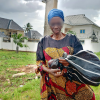
In Africa, Witch Branding Destroys Elderly Women’s Lives
One day in October 2020, Serah Akpan, 70, was seated in her house at Boki Local Government in Cross River, southern Nigeria, when she heard the murmurings of irate youth outside. Before she could grasp what was really happening, they had broken into her house, bundled her outside, and threatened to kill her for allegedly being a witch.
Poverty and Inequality Mark Rural Life in Latin America
Rural life in Latin America and the Caribbean continues to be marked by poverty and inequality compared to the towns and cities where the vast majority of the population lives. A new focus on rural life in the region could help reveal and address the challenges and neglect faced by people in the countryside.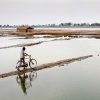
How Asia Can Unlock $800 Billion of Climate Financing
Countries in the Asia-Pacific region face a shortfall of at least $800 billion in climate financing. With public finances depleted by the pandemic, policymakers must unlock the vast potential of private capital to join the fight more effectively against global warming.
Building a More Resilient Work Force to Meet Challenges of Tomorrow
Quadrupling in size since 1950, the working age population in Asia and the Pacific now accounts for 67.2 per cent of the total population in the region and is set to peak at 3.3 billion by the mid-2030s.
Snow Tales: ‘Too Little, Too Late,’ Say Climate Experts
Alpine skier, 28-year-old Muhammad Karim, has spent the winter with his eyes skyward, wishing and hoping for deep and abundant snow. “My bread and butter depend on the snow,” said the Olympian, who is also a ski trainer, at Naltar Ski Resort, in the valley by the same name nestled in the Gilgit-Baltistan’s Karakoram mountain range.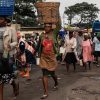
How to Ease Rising External Debt-Service Pressures in Low-Income Countries
As 2024 starts, the good news is that there haven’t been any notable requests by a low-income country for comprehensive debt relief since Ghana’s, more than a year ago. Despite this, vulnerabilities remain, with high debt servicing costs a growing challenge for low-income countries.
Under the Scorching Sun Kenyan Farmers Find New Ways to Beat Climate Change
In the tranquil village of Kotiang, perched on the shores of Lake Victoria in Kenya's lakeside region, Yvonne Atieno, a dedicated mother in her early thirties, tends to her fish pond under the relentless equatorial sun. Her young daughter eagerly joins her mother in this nurturing endeavor. Yvonne, a certified accountant by profession, reflects on how her decision to embrace regenerative farming has not only enriched her life but also imparted invaluable life lessons.
Beyond the Farm: How Empowering Women Farmers Drives Change in Jordan and Beyond
Dr. Zeinab Al-Momany, a prominent social entrepreneur, sheds light on the journey of empowering women farmers in Jordan and the Arab world, where women often work long hours for low pay and lack labour recognition.
Zimbabweans Gambling for a Living Amid Escalating Hardships
Twenty years after completing high school in Zimbabwe, 38-year-old Tinago Mukono still has not found employment, and in order to survive, he has switched to betting, turning it into a form of employment. Every day throughout the week, Mukono leaves his home to join many others like him in betting clubs strewn across Harare, the Zimbabwean capital, with the hope of making it.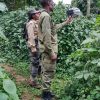
Rwanda’s Biodiversity Conservation Gains Momentum With Bird Sounds Recording
Claver Ntoyinkima wakes up early in the morning, at least three times a week, and goes into the Nyungwe rainforest to record bird vocalizations. Ntoyinkima is one of several community members in a remote village in rural southwestern Rwanda who volunteer with a group of scientists to help boost wildlife conservation.
Matchmaking for Green Cities? Accelerating Climate Finance in Urban Areas
Asia and the Pacific is home to 54 per cent of the world's urban population, who are disproportionately vulnerable to the impacts of climate change (ESCAP, 2023; IPCC, 2022). Why then, do climate action projects in cities commonly face delays in implementation?
2024: A Year of Cautious Hope for African Economies Facing Worldwide Challenges
As African economies look to the new year, countries across the continent are poised to make moderate economic gains but must navigate the maze of domestic and international challenges.
The Impact of Climate Migration on Developing Nations
As the world is still gearing up to welcome 2024, let us find a moment to reflect on some of the key trends of the past year and pursue now to embrace the path towards hope and promise for everyone, everywhere.
New Era: Unlocking Africa’s Agriculture Potential Through CGIAR TAAT Model
As hunger and food insecurity deepen, Africa is confronting an unprecedented food crisis. Estimates show that nearly 282 million people on the continent, or 20 percent of the population, are undernourished. Numerous challenges across the African continent threaten the race to achieve food security; research and innovative strategies are urgently needed to transform current systems as they are inadequate to address the food crisis.
AI Will Transform the Global Economy: Let’s Make Sure It Benefits Humanity
We are on the brink of a technological revolution that could jumpstart productivity, boost global growth and raise incomes around the world. Yet it could also replace jobs and deepen inequality.« Previous Page — Next Page »


The Week with IPS

NEXT STOP - SDGs
Tracking global progress towards a sustainable world
Tracking global progress towards a sustainable world
