
Wednesday, September 30, 2026



News and Views from the Global South
Climate Change
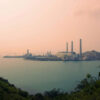
The Race Towards Clean Energy: A World Still Gripped by Coal
Global investments in energy exceeded USD 3 trillion in 2024, with at least USD 2 trillion being invested in clean energy technology and infrastructure. Infrastructure. Despite that progress, fossil fuel consumption continues to rise with little sign of slowing.
For the Aged, Their Sunset Years Will Be Bedeviled by Lethal Heatwaves
The global population is aging at a time when heat exposure is rising due to climate change. Extreme heat can be deadly for older populations given their reduced ability to regulate body temperature. Already there has been an 85 percent increase since 1990 in annual heat-related deaths of adults aged above 65, driven by both warming trends and fast-growing older populations.
‘Only a Handful of Environmental Organisations Still Dare Challenge Corporate Projects in Court’
CIVICUS speaks to Cristinel Buzatu, regional legal advisor for Central and Eastern Europe at Greenpeace, about how Romania’s state gas company is weaponising the courts to silence environmental opposition.

How Mongolia Can Expedite It’s Just Transition Plans to Include Its Nomads
Youth activist Gereltuya Bayanmukh still reflects on the events in her formative years that inspired her to become a climate activist. When she was a child, she would visit her grandparents in a village 20 km to the south of the border between Russia and Mongolia.
World Bank’s IFC Finally Adopts Remedial Action Framework
The World Bank’s private sector arm has raised the bar — and others may follow. On April 15, the International Finance Corporation (IFC) became the first development finance institution to adopt a formal remedy policy, publishing its Remedial Action Framework (RAF) to address environmental and social harm caused by IFC-supported investment projects.
The Juggling of Aid: How WFP is Delivering More with Less
Serious-to-severe food insecurity has been widely felt among those living through the worst, protracted humanitarian crises. For organizations like the World Food Programme (WFP), they must work under the “relentless demand” for humanitarian aid, including food.
FFD4 Must Deliver for the World’s Most Vulnerable Nations
Five years from the 2030 deadline for the Sustainable Development Goals (SDGs), we face a development emergency. The promise to eradicate poverty, combat climate change, and build a sustainable future for all is slipping away. The SDG financing gap has ballooned to over $4 trillion annually—a crisis compounded by declining aid, rising trade barriers, and a fragile global economy.
The Young Nigerian Innovator Lighting Up Communities With Recycled Solar Innovation
When Stanley Anigbogu heard his name announced as the 2025 Commonwealth Young Person of the Year in London earlier in March, he could hardly believe it. He had not expected to win, especially among a pool of brilliant nominees from across the globe.
Rising Temperatures, Rising Inequalities: How a New Insurance Protects India’s Poorest Women
As Deviben Dhaundhaliya, 45, a streetside seller of artificial jewelry, waits for her husband Devabhai to arrive and help her shift their iron-frame mobile ‘shop’ to the Bhadra Fort open-air marketplace in Ahmedabad city, she tells of how “as heat increased, my wares started melting under the direct exposure to the sun, or they got discolored.”
How the Commonwealth Climate Access Hub Reaches the Most Vulnerable

The Commonwealth Climate Access Hub responds to the needs of its member countries, including their most vulnerable people to build resilience and climate-smart communities.

WMO Warns That Asia is Warming at Twice the Average Global Rate
On June 23, the World Meteorological Organization (WMO) released their State of the Climate in Asia 2024 report, detailing the acceleration of the climate crisis in Asia. The report underscores the rapid rises in temperatures recorded across the continent and their implications on economies, ecosystems, and livelihoods.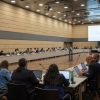
How Many Developing Countries Are Forging Paths to Climate Accountability at SB62
A packed conference room buzzing with the energy of over 300 national experts, negotiators, and implementers discussed their submissions of the First Biennial Transparency Reports (BTRs) during the 62nd session of the Subsidiary Body for Implementation (SB62) negotiations taking place in Bonn, Germany.
Time to Redesign Global Development Finance
Can the Fourth International Conference on Financing for Development (FFD4) be a turning point? The stakes are high. The international financial system—so important to each and every one of us—feels out of reach and resistant to change, because it is deeply entrenched in unjust power imbalances that keep it in place. We deserve better.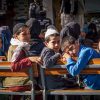
Afghanistan’s Children in Dire Need of an ‘Acceleration in Nutrition Action’
Afghanistan is burdened with one of the highest rates of child wasting globally, with 3.5 million children under five years suffering from a severe form of malnutrition, leaving them dangerously underweight and unable to grow or thrive.
Extreme Weather Will Place Toll on Asia’s Economies and Ecosystems, Says World Meteorological Organization
Asia is heading towards more extreme weather events with a possibility of heavy toll on the region’s economies, ecosystems, and societies, says the World Meteorological Organization (WMO).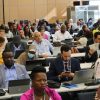
Climate and Health: Urgent Need for Adaptation Strategies in Africa
In recent years, there has been growing evidence of how climate change is impacting human health in several ways.
The Cost of Conservation—How Tanzania Is Erasing the Maasai Identity
On the vast plains of Tanzania’s Ngorongoro Conservation Area (NCA), the sight of young Maasai men in bright shawls, wielding sticks as they herd cattle, has long symbolized peaceful coexistence with nature. These herders, moving in harmony with zebras and wildebeests, are inseparable from the landscape. But today, that very identity—nurtured for generations—is under siege.
Where the Thunder Dragon Breathes: Bhutan’s Bold Bet on Climate, Culture and Contentment
“I can’t get this anywhere else,” says Tshering Lhamo, a 29-year-old shopkeeper in Thimphu, as she gestures toward the clean Himalayan air outside her thangka shop. She once studied in Kuala Lumpur but came back to Bhutan for the peace—and the purity. Her friend, Kezan Jatsho, who has never left the country, adds, “I cherish the peace here,” even as many of their peers migrate abroad.
The Global Mental Health Crisis Surges Amid $200 Billion Funding Gap
Although access to mental health and psychosocial support services is considered a fundamental human right by the United Nations (UN), hundreds of millions of people experience limited or inadequate access to mental health and psychosocial support services.
Tanzania Champions Aquatic Foods at UN Ocean Conference in Nice
With less than six harvest seasons left to meet the Sustainable Development Goals (SDGs), the urgency to find transformative solutions to end hunger, protect the oceans, and build climate resilience dominated the ninth panel session at the 2025 United Nations Ocean Conference in Nice, France.
Ocean Protection is a Multi-Billion Dollar Opportunity
The services the ocean provides are the backbone of our collective health, wealth and food security, yet today just 2.7% of the ocean has been assessed and deemed to be effectively protected. In failing to establish adequate safeguards, not only are we condemning communities and ecosystems across the world to decline and collapse, we are also overlooking a significant economic opportunity.« Previous Page — Next Page »


As unsustainable human consumption and production systems are driving changes in average temperatures and weather patterns, "abnormal" is increasingly becoming the norm. So far, a lack of financing has been standing in the way of a comprehensive global plan for climate adaptation, and a global financial crisis has contributed to an increasing reliance on public-private partnerships. Our Climate Change page provides you with the latest news about international and local efforts to address what's frequently been called "the challenge of our time", the forces behind the climate change and the impact it has on the world's most vulnerable populations. Along the way, we bring you stories on growing citizen awareness, new scientific data, and emerging climate policies towards sustainable development.

The Week with IPS

Tracking global progress towards a sustainable world

